


Hercules Microphone Stand Buying guide
Hercules Microphone Stand: A Complete Buyer's Guide
Selecting the right Hercules microphone stand requires understanding what specs matter and which features justify the cost. This guide walks you through the key decisions.
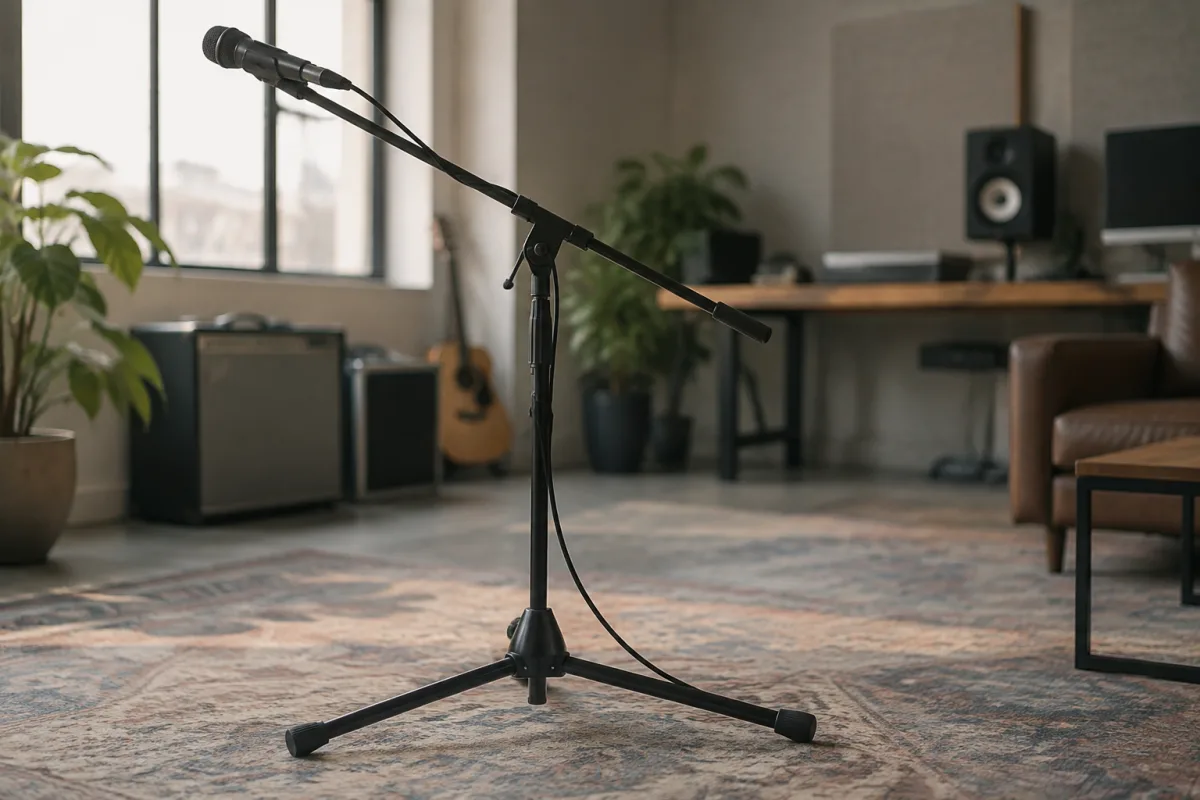
Buying the right Hercules microphone stand means understanding what specs matter, which features justify the price, and how to spot quality construction. This buying guide focuses on practical criteria for selecting a Hercules microphone stand that will serve you reliably in the studio, for podcasting, or in live performance. Whether you need a simple desktop Hercules microphone stand or a professional boom system, you'll learn what to check before making your purchase.
Why Choose a Hercules Microphone Stand?
A Hercules microphone stand represents a smart investment in audio recording quality.
Hercules microphone stands occupy the upper-middle tier of the market, known for sturdy construction, innovative features, and reliability. The brand is particularly valued in professional recording studios and podcast production, where consistency and stability are non-negotiable. These stands typically cost more than budget alternatives but less than ultra-premium specialist models, making them excellent choices for serious hobbyists and working professionals alike. The brand's reputation for innovation means many units include patented locking systems or damping technologies that genuinely reduce vibration and improve audio capture.
Build Quality Markers to Check
Before buying, run your hands over the entire unit. The base should be weighted and substantial—it should feel like it won't tip over even with a heavy microphone mounted off-centre. Check that the boom arm moves smoothly through its full range without grinding or sticking; any resistance should feel like precise damping, not rough construction. The clutch that holds the microphone in place should grip firmly when tightened, and the thread should be smooth. Look for any welds that are uneven or rough, which can indicate assembly-line shortcuts. Inspect the paint or powder coat for consistent coverage and absence of drips or runs.
Feel the weight distribution: it should feel front-heavy when the boom arm is extended, with most weight in the base. If the stand feels top-heavy, it's been poorly engineered and won't hold heavier microphones reliably. Finally, check all moving parts for play or looseness—each joint should move intentionally, not rattle.
Identifying Stand Type and Your Needs
These models fall into several categories, each suited to different uses. Straight desk stands (sometimes called boom stands) sit on your desk and extend horizontally, ideal for podcasters, streamers, and video content creators. Floor stands are tall structures with a boom arm, perfect for studios and live performance. Desk boom arms mount to the edge of your desk with a C-clamp, offering flexibility without taking up floor space. Before buying, visualise where your stand will sit and how you'll position the microphone relative to your mouth or instrument.
The boom arm length also matters. A longer boom arm (12 inches or more) lets you angle the microphone precisely, while shorter arms offer faster repositioning and more stability. Consider your space and whether you'll need to move it frequently.
Price Tiers and Value Propositions
Entry-level models cost around GBP 40–70, offering solid construction and basic damping features. These are ideal for first-time podcast setups or bedroom streaming. Mid-range options (GBP 70–140) add advanced friction clutching systems, longer boom arms, and improved base stability; most working studios and podcasters choose from this tier. Premium units (GBP 140+) feature specialty designs for specific use cases, such as those with built-in shock mounts or ultra-sturdy construction for heavy vintage microphones.
The price jump between entry and mid-range is worth it; the difference in stability and ease of positioning is substantial. The jump from mid-range to premium is less critical unless you're supporting an unusually heavy microphone or demanding extreme precision.
Microphone Compatibility and Mounting
Nearly all models use standard 3/8-inch threads, compatible with nearly every modern microphone. However, check the maximum payload rating on what you're buying. A unit rated for 1 kg can support most condenser microphones but may struggle with heavy vintage ribbon mics. If you're planning to upgrade your microphone later, buy a stand rated for more weight than your current mic requires.
Also verify whether the stand comes with a microphone clip. Some models are sold bare, requiring you to purchase a clip separately. A quality shock mount is worth considering too; if your stand includes damping already (many do), you may not need an additional mount, but it won't hurt to add one for live streaming or recording vocals where vibration isolation is critical.
Comparing with Competitor Stands
Audio-Technica and Samson offer budget microphone stands that cost less, but often lack the engineering refinement and damping systems. AT2020 stands work adequately but feel lighter and less stable. Rode and Neumann stands cost more and target premium markets. Boom stands from K&M (German-engineered) are typically pricier but offer heirloom-quality construction. For most users seeking professional quality at a reasonable price, this brand represents excellent value.
Portability and Storage Considerations
If you transport your microphone setup regularly (podcasters recording on location, musicians taking gear to studios), check the weight and whether it can be disassembled. Most models come apart into base, stem, and boom arm, packing relatively flat. A travel bag designed for microphone stands (often sold separately) protects it and makes carrying easier. Desk clamp stands are particularly portable and popular with mobile podcasters.
Common Mistakes When Buying
Don't assume the cheapest option will save money in the long run—replacing a wobbly stand costs more in frustration than buying the right model upfront. Another common error is ignoring boom arm length; a short arm limits your ability to position the microphone precisely, particularly if you're recording vocals. Overlooking the maximum payload rating is another mistake; a stand rated for 750g will visibly sag under a 1 kg vintage ribbon microphone, making the audio sound worse.
Finally, many buyers forget that you'll spend far more time adjusting your microphone position than you spend buying the stand. A model with smooth, precise adjustments pays dividends over one with sticky or grinding clutches, even if it costs more.
Warranty and Reliability
Most models come with a reasonable warranty (typically one to three years). Before buying, check whether your retailer offers an easy return policy within the first 14 days; this gives you time to test it in your actual setup. Professional users often purchase from retailers that offer extended warranties or service plans, which add to the cost but provide peace of mind for high-investment equipment.
Making Your Final Choice
List your specific requirements: desk or floor stand, boom arm length, weight capacity, and budget. Read user reviews from podcasters or studio engineers (not casual users) to spot recurring issues. If possible, handle one in a music shop before buying online. Trust the weight and stability feel more than specifications; it should feel rock-solid, not tippy or flimsy. Once you've chosen, invest time adjusting it properly in your space before recording anything important.


Comments