
Audio Recorder Device article
The Complete Guide to Audio Recorder Device
An audio recorder device captures sound into files you can edit and share. Whether recording podcasts, live music, or interviews, choosing the right recorder ensures quality results without overspending on unnecessary features.
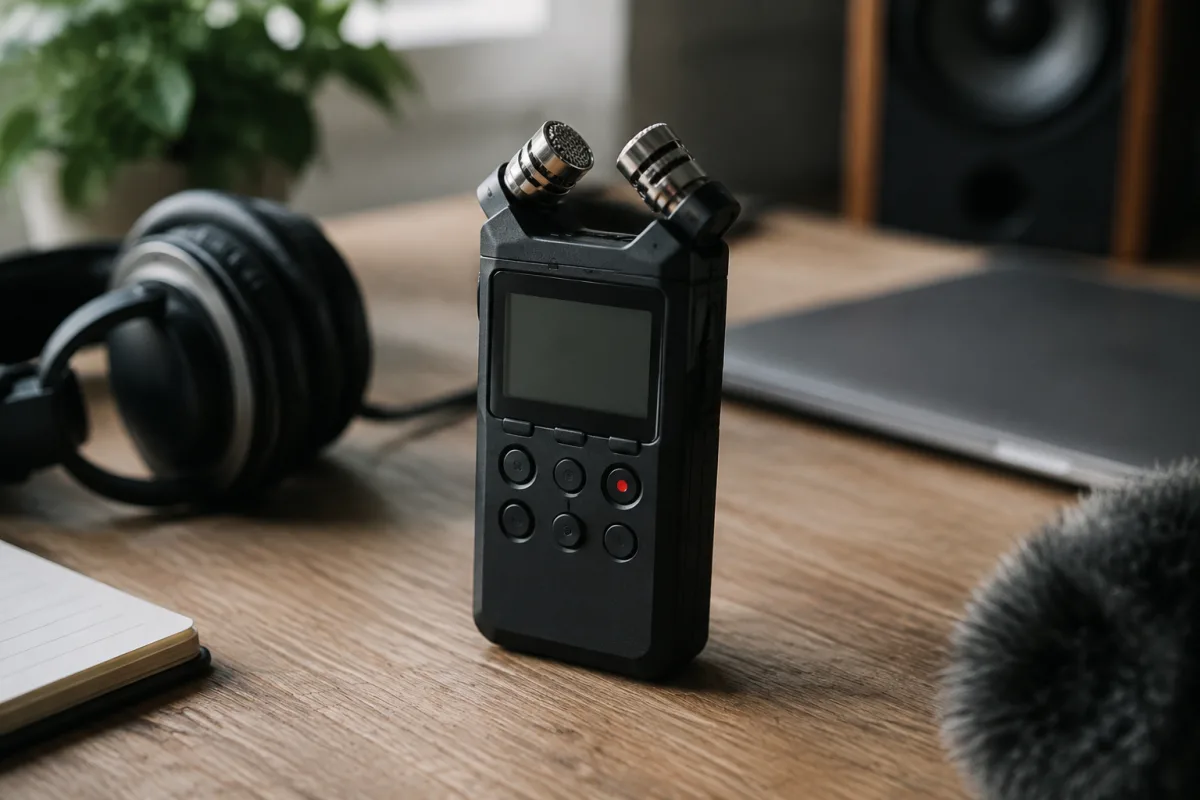
An audio recorder device transforms raw sound into captured audio files that you can listen to, edit, and share. Whether you're recording a podcast, capturing live music, preserving an important conversation, or building your music production setup, choosing the right equipment makes the difference between crisp, usable recordings and frustrating failures. Options range from simple smartphone apps to professional studio gear, each suited to different purposes and budgets. Understanding what matters helps you avoid expensive mistakes and get the quality you actually need.
What Sets Recording Equipment Apart?
An audio recorder device captures sound waves and converts them into digital files you can save, edit, and distribute. Unlike a microphone alone, which only captures sound and sends it to an amplifier, a recording device includes both capture and storage in one unit. Some connect to your computer or mobile device, whilst others operate independently with built-in microphones and storage. Professional recorders connect to mixing consoles and external microphones for maximum flexibility. The core function remains consistent—transforming live sound into formats suitable for playback and distribution.
Types of Recording Equipment
Recording devices come in several categories suited to different situations. Portable units sit at the affordable end and work well for interviews, field recordings, and basic music capture. These typically cost £80 to £300 and run on batteries, making them ideal for location work without mains power access.
Handheld recorders designed for music include models from brands like Zoom and Tascam. These capture high-quality stereo recordings with built-in microphones or external connections. Many musicians use these portable units to capture ideas, rehearsals, or quick demos before moving to a full recording studio.
Dictation and voice memo equipment serves people who need simple, straightforward recording for notes, transcription, or dictation. These typically cost £30 to £100 and prioritise ease of use over audio quality. An audio recorder device for voice memos needs much less processing power and storage than music-focused units.
Professional studio equipment connects to mixing consoles and external microphones, offering pristine quality and extensive control. Premium recorders often cost £500 to £3,000 and serve recording engineers, podcasters producing professional content, and musicians demanding studio-quality results.
Software-based recorders run on your computer—capturing sound directly into your digital audio workstation without separate hardware. These range from free options to paid professional software, costing from nothing to £200. If you have a computer and microphone, this might be your most economical alternative.
Key Features to Consider
When choosing recording equipment, start with your actual needs. A journalist conducting interviews requires different features from a musician recording live performances. Your intended use guides every other specification decision.
Sample rate and bit depth determine quality. Standard CD quality is 44.1 kHz at 16-bit. Professional recording uses 48 kHz at 24-bit for more detail and headroom. Basic audio recorder devices for casual voice work might use 16 kHz or lower, reducing file size without significant loss. Higher rates like 96 kHz are overkill for most purposes unless mastering audio or working with studios requiring specific standards.
Microphone quality directly affects your recordings. Built-in microphones on budget units often sound thin or distant. For professional use, investing in external microphones and choosing recorders with professional inputs pays dividends. The best equipment can't fix poor microphone placement or cheap condenser capsules.
Storage capacity varies dramatically. Solid-state storage on modern recorders is reliable and fast. A 64GB unit holds roughly 10 hours of CD-quality stereo recording. Larger capacity or removable storage cards matter if you record extended sessions without computer access for file offloading.
Battery life matters enormously for portable recording. Budget for sessions longer than expected. Equipment with 12 hours of battery runtime sounds excellent until you're halfway through a 16-hour live event. Check actual user reports—manufacturer claims often overestimate real-world performance.
Connectivity and Compatibility
Consider how your audio recorder device connects to your workflow. USB-C charging is standard on modern recorders, but older units might use proprietary cables. Bluetooth capability on some devices allows streaming to wireless headphones or receiving audio from remote sources. Premium audio recorder devices include built-in Wi-Fi enabling direct uploads to cloud storage or remote monitoring.
File format compatibility affects how you'll use recordings. Equipment saving in standard MP3 or WAV formats works with virtually any editing software. Proprietary formats on some recorders lock you into specific software ecosystems. Choose formats your workflow will support.
Headphone monitoring proves essential when you can't rely on playback speakers. Premium units include headphone monitoring with volume control. Budget options sometimes only offer monitoring through internal speakers or require adapter cables.
Quality Levels and Budget Tiers
Entry-level recorders under £150 work well for dictation, casual interviews, or basic music demos. You get reasonable sound quality and simple operation, though microphone quality and features remain basic.
Mid-range audio recorder devices between £150 and £400 represent the sweet spot for most musicians and podcasters. These include better microphones, more control options, and superior construction. This tier typically produces professional-sounding results without premium gear investment.
Premium recorders over £400 offer professional-grade microphones, multiple inputs for simultaneous recording, advanced editing features, and exceptional quality. Investment at this level makes sense if recordings directly generate income or you require studio-quality results as standard.
Practical Buying Tips
Read reviews from users matching your specific application. A podcast production review from actual podcasters matters more than general overviews. Look for mentions of battery life, microphone performance, and long-term durability. User reports from professional recordists reveal which equipment holds up during extended use.
Consider what you'll do with recordings after capture. Equipment that exports to your digital audio workstation or editing software saves time on post-processing. Test file transfer speed and compatibility before purchase.
Warranty and support matter more than spec sheets suggest. Choose manufacturers standing behind their products. A two-year warranty on premium gear provides confidence and repair options if something fails during regular use.
Conclusion
Selecting the right audio recorder device means matching capabilities to actual needs without overspending on unnecessary features. Start with intended recording situations—mobile or stationary, professional or casual, music or voice. Research equipment suited to your application, read reviews from similar users, and test before buying if possible. Good recording gear becomes a reliable tool capturing what matters to you for years. Make your choice based on realistic needs assessment, and you'll have equipment serving you well whether you're a professional recordist or someone needing reliable, quality audio capture.


Comments