


Audient Audio Interface Buying guide
Audient Audio Interface: A Complete Buyer's Guide
Shopping for an Audient audio interface? This guide covers their preamp excellence, different models, workflow design, and what makes them stand out.
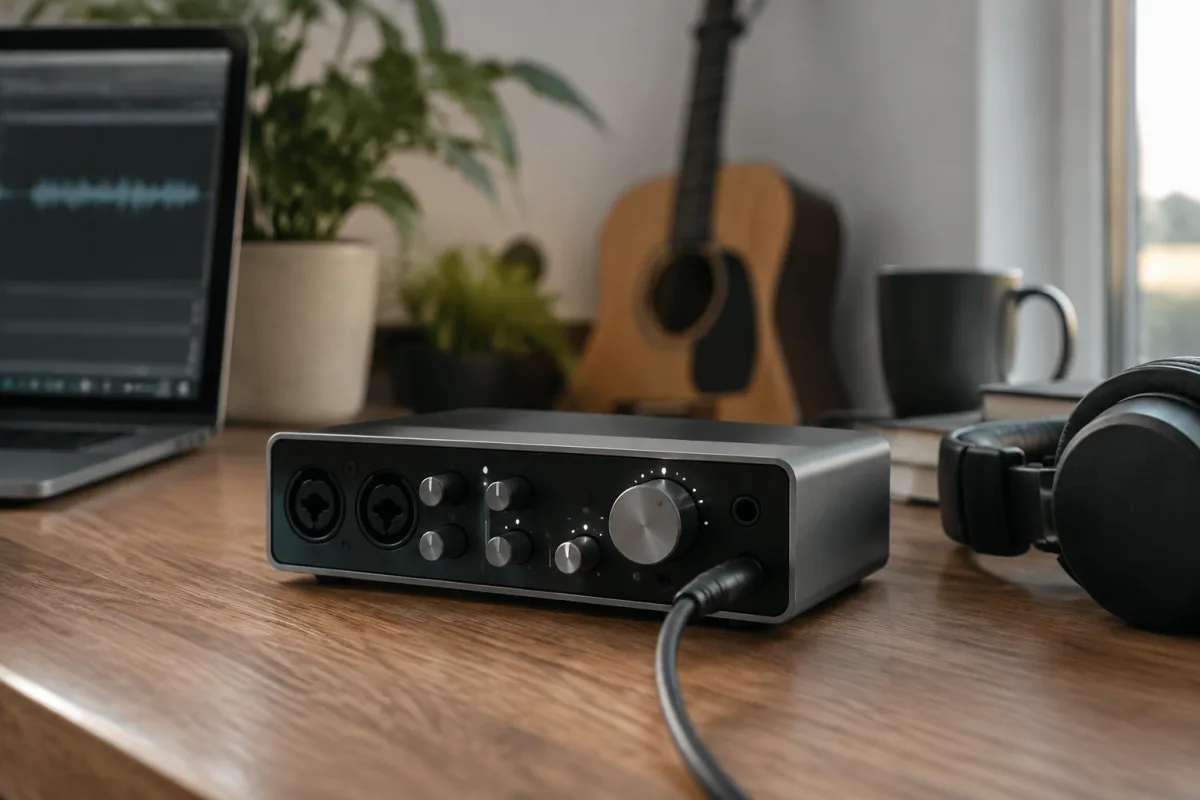
An Audient audio interface is the choice of professional studios and home recordists who value exceptional preamp quality and reliable performance. Audient has earned a reputation for meticulous engineering, exceptional sound quality, and thoughtful design that prioritises workflow ease. This buying guide covers what makes Audient interfaces stand out, which models suit different needs, and what to evaluate before purchase.
What Sets Audient Apart
Audient audio interfaces are known for three things: exceptional microphone preamp quality, professional build, and intuitive design. Audient prioritises preamp amplification over input count—their interfaces often have fewer channels than competitors, but the channels included are pristine. An Audient audio interface is favoured when preamp quality is the priority, not maximum connectivity.
The company's founder, David Deardorff, designed consoles and preamps before founding Audient, which explains the engineering depth. An Audient audio interface feels like it was designed by someone who actually records music professionally, not by marketing committee.
Key Audient Models
The Audient ASP800 is Audient's flagship audio interface—a two-channel mastering-grade interface with legendary sound quality. The Audient iO4, iO2, and newer id4 and id14 models are more affordable options with the same preamp DNA but simplified I/O and control schemes. The Audient EVO is a newer, more feature-packed family aimed at streamers and content creators.
For traditional recording (vocals, instruments, podcasts), the iO4 or id4 offers excellent value. The id14 steps up with more channels and features. The ASP800 is aimed at mastering-grade recording and is overkill for home studio unless you're serious enough to justify the investment.
Preamp Quality
The centrepiece of any Audient audio interface is the microphone preamp. Audient preamps are remarkably quiet with low noise floor. They handle a massive range of input levels cleanly—from quiet ribbon microphones to screaming vocals. The preamp transparency is exceptional—it doesn't colour the sound (if you want that character, they offer optional valve stages on some models).
This neutrality means you hear exactly what your microphone captures, which is ideal for critical recording. Some musicians prefer coloured preamps that add character; Audient's philosophy is "colour comes from your microphone and effects, not the interface."
Design and Workflow
An Audient audio interface is designed for intuitive operation. Large, tactile controls, clear metering, and logical layout mean you spend less time wrestling with software and more time recording. The physical build feels premium—no cheap plastic, no flimsy controls. Metal construction, quality knobs, and solid construction inspire confidence.
Routing and monitoring options are thoughtfully designed. Direct monitoring (hearing your input with no latency) is straightforward. Headphone mixing (different monitor mix in headphones vs. speakers) works smoothly. These workflow features matter when recording—when you're capturing a vocal take, the last thing you want is confusing interface design.
Connectivity and Specifications
Audient audio interfaces typically feature balanced XLR inputs, TRS line outputs, and USB connection. Some include MIDI I/O for controlling keyboards and DAWs. Sample rate support is professional standard (up to 192 kHz on most models). The USB bus power / mains power options vary by model—most entry Audient models are bus-powered for portability.
Check which model includes what you need. The id4 is stripped-down simplicity; the id14 includes more I/O and features. The ASP800 is a complete pro setup.
Price and Value
| Model | Price Range | Best For |
|---|---|---|
| Audient id2 | £150–£250 | Ultra-portable, minimal input/output. Video calls, podcasting, travelling musicians. |
| Audient id4 | £250–£350 | Single-channel recording, home studio, vocals and instruments. Excellent preamp in compact form. |
| Audient id14 | £400–£600 | Multi-channel recording, creative mixing. More connectivity than id4, same preamp quality. |
| Audient ASP800 | £2000+ | Mastering-grade professional studio. Exceptional sound, but overkill for most home recording. |
Comparing Audient to Competitors
Audient interfaces cost more than budget alternatives from Behringer or Focusrite. However, the preamp quality justifies the premium for serious recording. If you're recording only podcasts or casual demos, a budget interface suffices. If you're recording professional vocals or building a serious home studio, the Audient preamp quality is worth the investment.
Audient competes with interfaces like Universal Audio and RME, which also prioritise preamp quality. Audient's advantage is often a lower price point than UA with comparable sound quality. RME excels at multi-channel pro work; Audient suits smaller studios prioritising preamp excellence.
What to Evaluate
- Your actual needs: Do you need two channels or four? One headphone output or two? Choose the minimum that covers your workflow—don't overpay for features you won't use.
- Computer compatibility: Check driver availability for your OS version. Audient driver support is generally excellent but verify.
- Preamp colour: Some Audient models include optional valve output stage. If you want pristine preamp or coloured preamp, choose accordingly.
- Portability vs. studio: Bus-powered interfaces are portable but may have lower headroom. Mains-powered interfaces are more stable but less portable.
- Future growth: If you think you'll expand your setup, consider stepping up to a model with more I/O now rather than upgrading later.
Long-Term Value
Audient audio interfaces hold their value exceptionally well. A used Audient id4 will resell for 60–70% of original price, sometimes more. This makes Audient a safe investment—if your needs change, you can upgrade with minimal loss.
For detailed information on Audient interface models, specifications, and workflow integration, explore our comprehensive Audient audio interface guide.
Conclusion
Buying an Audient audio interface is an investment in preamp quality and thoughtful design. It's not the cheapest option, but the exceptional preamp quality and professional construction justify the premium for serious recording. Start with the id4 or id14 depending on channel count needs, and trust that you're getting pre-engineered excellence. An Audient audio interface will serve your studio reliably for years.


Comments