


Arturia Audio Interface article
The Ultimate Guide to Arturia Audio Interface
Arturia audio interfaces prioritise software integration and thoughtful design for modern producers. Built by synthesizer experts, these interfaces excel in software-centric studios and electronic music production.
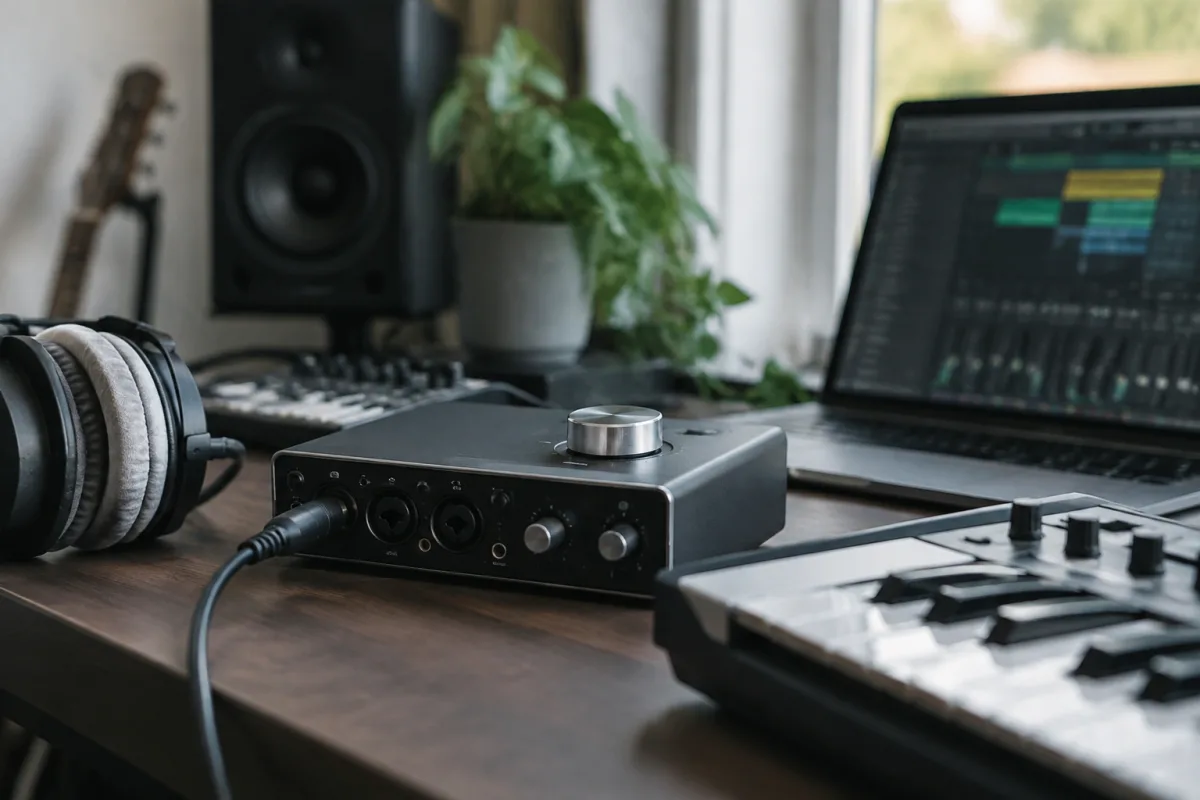
Arturia audio interfaces cater specifically to musicians and producers who work with synthesizers, software instruments, and virtual studios. These interfaces combine robust hardware connectivity with thoughtful design that acknowledges modern music production workflows, making them indispensable for contemporary producers.
Arturia's Approach to Audio Interfaces
Arturia, renowned for software synthesizers and virtual instruments, brings deep music-production knowledge to interface design. The company understands how modern producers work with plug-ins, synthesizers, and digital audio workstations. This expertise translates into interfaces optimised for these workflows rather than generic recording devices.
What distinguishes Arturia audio interfaces is their focus on connectivity and integration. Rather than maximising input and output channels, Arturia prioritises flexibility, ease of use, and seamless software integration. The company's interfaces feel designed by musicians for musicians.
Key Arturia Interface Models
The AudioFuse interfaces form Arturia's core offering. These compact USB audio interfaces combine quality sound, thoughtful connectivity options, and affordability. The AudioFuse features stereo inputs and outputs, MIDI connectivity, and headphone monitoring suitable for bedroom producers and professional studios alike.
Arturia audio interface models range from compact AudioFuse units to more sophisticated versions with expanded functionality. Each maintains the company's design philosophy: essential features, quality components, no unnecessary complexity.
Integration with Arturia's software ecosystem distinguishes their interfaces. When paired with Arturia synthesizers and instruments, these connections unlock enhanced functionality. Users can control parameters directly from hardware, bringing tactile control to software instruments.
Sound Quality and Design
Arturia audio interface components reflect careful quality selection. The company uses reliable preamps and converters that deliver transparent sound capture. Rather than chasing exotic specifications, Arturia prioritises practical, audible quality improvements.
The industrial design of Arturia audio interfaces emphasises functionality. Controls are logically placed. Connectivity is intuitive. The layouts assume users understand their workflow and want efficient access to essential functions without navigating confusing menus.
Latency performance in Arturia audio interfaces enables real-time monitoring and software instrument performance. Musicians tracking live instruments or playing software synthesizers in real time depend on imperceptible latency, and Arturia delivers this consistently.
Connectivity and Software Integration
Modern Arturia audio interface models support USB connectivity via standard audio drivers, working seamlessly with any DAW. MIDI input and output let you control external synthesizers and drum machines. Some models include audio inputs suitable for instruments and microphones.
Integration with Arturia's software is a major strength. Users can synchronise hardware and software instruments, access deep parameter control, and build sophisticated production systems. This integration makes Arturia audio interfaces especially valuable for producers heavily invested in the Arturia ecosystem.
Arturia versus Other Interface Brands
Compared to generic interfaces like Focusrite, Arturia audio interface offerings feel specifically designed for modern music production. Where competitors offer maximum connectivity, Arturia prioritises workflow and integration. This different philosophy appeals to producers who value thoughtful design over raw feature counts.
Arturia audio interfaces often cost slightly more than budget alternatives, reflecting their careful engineering and software bundling. For users invested in Arturia synthesizers or seeking deep software-hardware integration, this premium proves worthwhile.
Ideal Use Cases
Arturia audio interfaces excel in software-centric studios where producers work primarily with plug-ins and virtual instruments. The interfaces integrate seamlessly with computer-based production, offering sufficient hardware connectivity without complexity.
Electronic music producers, EDM artists, and bedroom producers find Arturia audio interfaces particularly suitable. The emphasis on MIDI connectivity, software integration, and compact design aligns perfectly with contemporary electronic production methods.
Film composers and podcast producers using virtual instruments discover that Arturia audio interface quality and reliability support professional-level production without expensive, complex setups.
Value Proposition and Pricing
An Arturia audio interface typically costs between £200 and £600, positioning them in the affordable-to-mid-range category. This pricing reflects genuine quality components and thoughtful design rather than inflated margins. For producers working primarily with software, an Arturia audio interface delivers exceptional value.
Software bundling adds additional value. Many Arturia audio interface purchases include synthesizer plug-ins or virtual instruments that would cost significant money if purchased separately. This bundling can save hundreds of pounds for new users building their production toolkit.
Conclusion
Arturia audio interfaces represent intelligent choices for contemporary music producers working in software-centric environments. The combination of quality sound, thoughtful design, software integration, and competitive pricing makes Arturia audio interfaces especially appealing to electronic musicians and bedroom producers. Whether you're building your first home studio or upgrading legacy equipment, Arturia delivers interfaces that understand modern production workflows and prioritise what actually matters to today's musicians.



Comments