


Arc Studio Buying guide
Arc Studio: A Complete Buyer's Guide
Discover what to look for when purchasing Arc Studio equipment. Our guide covers hardware tiers, interface quality, latency performance, budget considerations, and practical pitfalls to avoid.
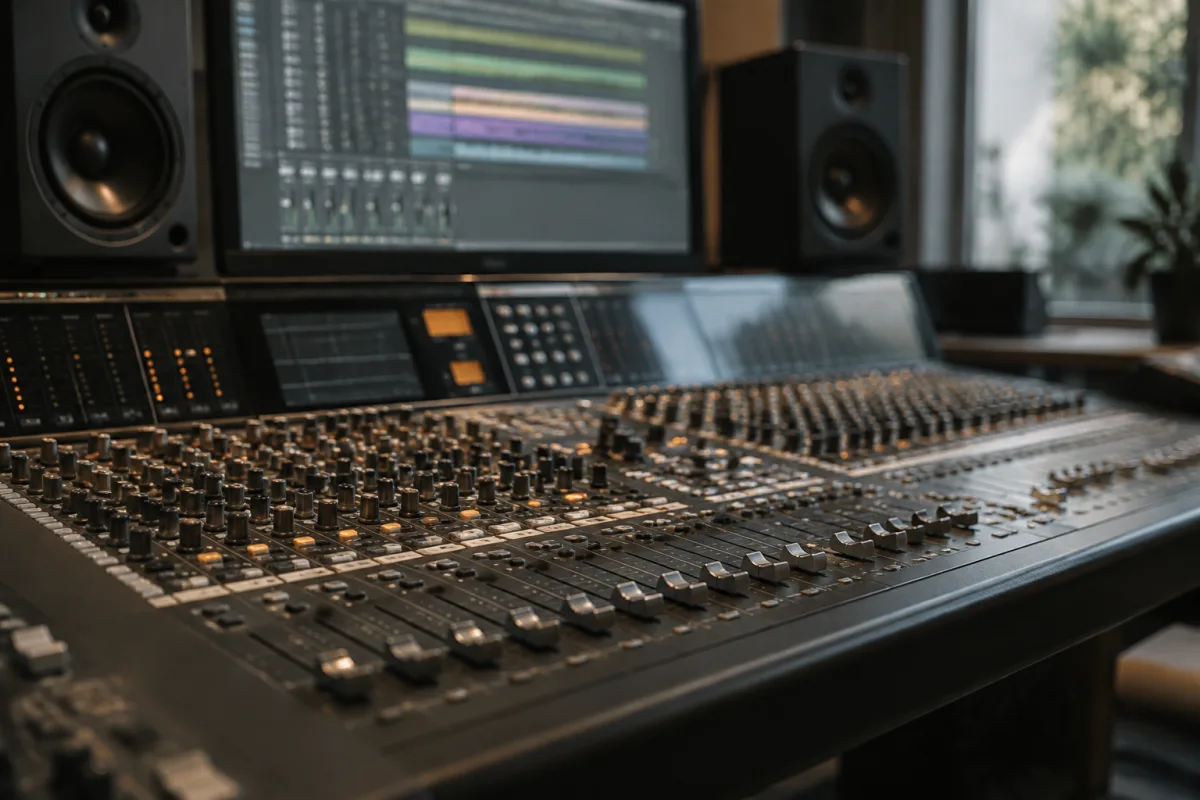
Choosing the right recording solution for your music production needs requires careful consideration of hardware capabilities, software integration, and budget constraints. Arc Studio offers a comprehensive ecosystem for modern music producers, but understanding what you're actually buying—and whether it fits your workflow—is essential before making the investment.
Understanding Arc Studio's Hardware Tiers
Arc Studio provides multiple hardware configurations, each designed for different production scales and budgets. The entry-level options start with compact interfaces suitable for bedroom producers, whilst professional studio packages offer rack-mounted solutions with extensive I/O. When evaluating hardware, focus on the number of simultaneous audio inputs and outputs you'll need. Many producers overestimate requirements; honestly assess whether you need 16 channels or if 4-8 will suffice for your typical sessions.
The processing power matters significantly. Arc Studio hardware integrates with their software suite, so verify that your chosen model includes sufficient CPU resources for your plugin load. Older models may struggle with modern DAWs running multiple instances of heavy processors. Check the specifications for onboard DSP capabilities—these directly impact your system's responsiveness and ability to monitor with low latency.
Interface Quality and Converters: What Actually Matters
Audio interface quality hinges on converter specifications. Arc Studio's AD/DA converters vary across their product line. Higher-end models use 24-bit/96kHz conversion, whilst entry models max out at 44.1/48kHz. For most professional work, 24-bit/96kHz is the practical minimum. Examine the signal-to-noise ratio (SNR) specification—anything above 100dB is respectable for modern home studios.
Connectivity options determine workflow flexibility. Thunderbolt interfaces offer significantly lower latency than USB alternatives, particularly important for monitoring during recording. If you use multiple computers or need portability, consider USB-C options, but be aware you'll sacrifice some latency performance. Optical digital I/O becomes valuable if you plan to integrate external processors or expandable systems later.
Software Integration and Ecosystem
Arc Studio's competitive advantage lies in its tightly integrated software ecosystem. Before purchasing hardware, verify that the software matches your DAW. Compatibility extends beyond basic driver support—examine whether you get the full feature set across your specific setup. Some controllers ship with limited functionality on certain systems or older versions.
Consider the software licensing model. Arc Studio bundles various tools with hardware purchases, but updates and expansions may incur additional costs. Check what's included versus what requires separate licensing. This significantly affects the true cost of ownership over 3-5 years.
Latency Performance and Monitoring
Direct monitoring capabilities distinguish professional interfaces from consumer-grade equipment. Arc Studio offers low-latency monitoring for recording vocals, guitars, and other instruments, essential for natural-sounding takes. The spec sheet should guarantee sub-5ms latency for monitoring. Anything higher creates an unusable lag when recording over virtual instruments or effects.
Beyond hardware specs, driver stability affects real-world latency. Research user reports about driver performance on your specific operating system. A theoretical 2ms latency from poor drivers becomes a deal-breaker quickly. Check forums and Reddit communities for honest feedback about driver reliability with current OS versions.
Budget Considerations and Price Tiers
Arc Studio's product range spans from budget-conscious options around £200-400 to premium studio solutions exceeding £2,000. Identify your realistic budget, then determine which tier delivers your essential requirements. Mid-range models (£600-1,200) typically offer the best value, providing excellent converter quality and feature completeness without premium pricing.
Factor in required accessories: quality cables, monitoring speakers, and potentially external preamps significantly increase total investment. A £400 interface paired with £2,000 in monitoring equipment provides better results than a £1,500 interface with poor speakers. Allocate your budget proportionally across your entire signal chain.
Expandability and Future-Proofing
Consider how your needs might evolve. Arc Studio systems with Thunderbolt connections generally future-proof better than older USB designs. Interfaces supporting ADAT expansion or optical digital I/O provide pathway for adding external preamps and processors without replacing the core hardware. This flexibility becomes valuable as your production capabilities expand.
Check the manufacturer's support history. Arc Studio maintains drivers for older hardware, but at some point, operating system changes may orphan legacy models. Purchasing recent-generation hardware ensures you'll receive driver updates for at least 5-7 years, critical for maintaining compatibility with evolving DAW software.
Common Purchasing Pitfalls to Avoid
Many producers mistake high channel count for professional quality. You don't need 32 I/O channels if your typical session uses four inputs. Excess channels inflate costs and create unnecessary complexity. Conversely, starting with insufficient I/O forces expensive upgrades within years.
Another common mistake involves ignoring monitoring capabilities. Countless studios possess excellent recording interfaces but compromise monitoring through laptop speakers or consumer headphones. Arc Studio interfaces excel in direct monitoring, but you must budget for proper nearfield monitors and headphones separately.
Don't overlook ecosystem lock-in. Arc Studio software integrations are deep; switching away later requires rebuilding your workflow. Carefully consider whether you'll be comfortable working within their ecosystem long-term before committing.
New versus Used: Calculating True Value
The used market offers compelling savings, often 30-50% below new prices. However, verify warranty status and driver support. Recent discontinued models sometimes lose driver support unexpectedly. Interfaces released within the past 3-4 years represent safer purchases; older units risk driver obsolescence as operating systems evolve.
New equipment provides peace of mind and guaranteed manufacturer support. For professional studios relying on interface stability, the modest premium often justifies new purchases. Home producers can safely explore used markets for previous-generation models.
Testing Before Commitment
If possible, test the interface with your actual DAW and hardware before purchasing. Many retailers offer return windows—use them to verify real-world performance in your studio environment. Lab specifications rarely capture practical usability. A £600 interface that adds reliability to your workflow outperforms a cheaper unit causing daily frustration.
Read detailed user reviews focusing on driver stability, not just sound quality. Professional reviews often ignore practical long-term reliability issues that surface after months of daily use. Community forums provide invaluable insight into real-world performance across various setups.
For more comprehensive information about Arc Studio and how it compares across the recording ecosystem, explore our complete guide to Arc Studio. Whether you're building your first home studio or upgrading professional facilities, making an informed purchasing decision now saves frustration and expense later.


Comments