


Rockschool Grades article
Rockschool Grades for Beginners: A Complete Guide
Taking your first Rockschool graded exam can feel intimidating. The good news is that Rockschool exams are designed to celebrate your progress, not punish imperfections.
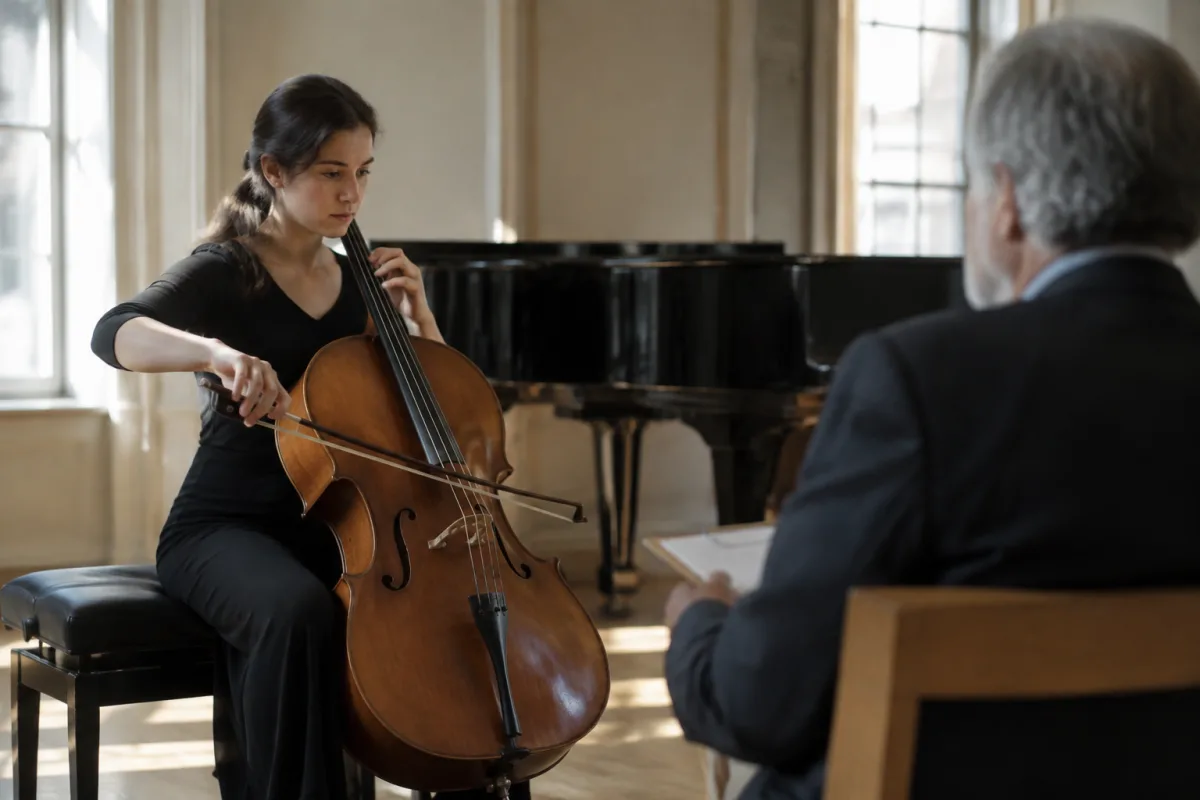
Taking your first Rockschool graded exam can feel intimidating, especially if you're not familiar with structured musical assessments. Whether you're in Grade 1 or working through Debut level, the good news is that Rockschool exams are designed to celebrate your progress, not punish your imperfections. This beginner's guide will demystify the process, calm your nerves, and help you prepare with confidence for your first exam experience.
Understanding Rockschool Debut and Grade 1
Rockschool offers multiple pathways for beginners. If you're relatively new to your instrument, Debut level is the traditional entry point. It's specifically designed for players who've been learning for just a few months and focuses on fundamental skills rather than complex techniques. Grade 1, the next step, builds naturally on Debut and remains very accessible for first-exam takers.
Both levels test three main components: a technical exercise, a song or piece, and sight-reading. This balanced assessment means you're not drowning in any single skill. Your examiner understands that beginners won't play perfectly—they're evaluating your progress and musical understanding, not demanding concert-hall flawlessness.
Preparing Your Technical Exercise
The technical exercise at Debut and Grade 1 levels is deliberately straightforward. You'll typically need to demonstrate a simple scale, a few finger patterns, or basic rhythmic techniques relevant to your instrument. These exercises are included in the official Rockschool syllabus materials, so you know exactly what you're learning from day one.
Practice your technical exercise weekly, starting 8-10 weeks before your exam. Most beginners master Debut-level technical work within this timeframe. Your teacher will confirm readiness—if they say you're solid on the exercise, trust that assessment. Continuing to obsess over technical drills won't help; instead, spend final weeks maintaining competence rather than intense drilling.
Choosing and Learning Your Rockschool Song
This is the fun part. Rockschool provides several song options at each level, spanning rock, pop, blues, and acoustic genres. You choose one that appeals to you musically. Pick a song that excites you, because you'll play it repeatedly over months of practice. If you're indifferent to the song, practice becomes a chore rather than enjoyment.
Learning your song typically takes 6-8 weeks of regular practice. Your teacher will break it into manageable sections, working through rhythm, notes, and then phrasing. Don't attempt to polish everything simultaneously. Instead, learn phrase by phrase, ensure each phrase is comfortable, then integrate them gradually. By six weeks out from your exam, you should play the entire song through without stopping.
Building Confidence Through Sight-Reading Practice
Sight-reading often worries beginner exam-takers most, yet it's the component where improvement comes quickest. Sight-reading at Debut and Grade 1 is genuinely simple—short phrases, straightforward rhythms, familiar musical concepts. Your examiner isn't testing your ability to read complex orchestral notation; they want to know you can approach unfamiliar music without panic.
Practice sight-reading weekly for just 10-15 minutes. Never make mistakes in practice material your enemy—sight-reading is exactly the skill where making mistakes and learning from them quickly is the whole point. Your teacher will provide fresh sight-reading material weekly. After four weeks of consistent practice, sight-reading confidence rises dramatically.
Common Beginner Worries and Reality Checks
Most first-time exam-takers carry predictable anxieties. Let's address them honestly:
- "I'll make mistakes during the exam and fail." Rockschool exams allow for mistakes. A few missed notes or minor rhythm stumbles don't result in failure. You need to demonstrate basic competence and clear effort—not perfection.
- "The examiner will judge me harshly." Rockschool examiners are trained to be encouraging, especially with beginners. They genuinely want you to succeed and actively look for reasons to award marks rather than reasons to deduct them.
- "I'm not ready even though my teacher says I am." Trust your teacher's assessment. Teacher confidence in your readiness is a strong predictor of exam success. If you're still panicking days before the exam, that's normal nerves—not evidence you're unprepared.
- "Everyone else will be more advanced than me." Rockschool exams are graded individually against criteria. You're not competing against other exam-takers; you're being assessed against the Grade 1 standard. Your personal preparation is all that matters.
- "If I fail, I'll be devastated." Failing a Rockschool grade is rare, especially at Debut and Grade 1 levels. Even if the unlikely happens, retaking an exam costs little and offers valuable learning. Many successful musicians have taken exams multiple times.
Final Weeks Before Your Exam
Four weeks before your exam, shift from learning new material to consolidation. You should know your technical exercise and song inside out. Spend practice time polishing, building confidence, and managing nerves rather than frantically learning new things.
Two weeks before, play your exam material for friends, family, or fellow musicians. Performing in front of even one person desensitises you to exam-room nerves. Hearing yourself play without pressure reveals phrasing and balance issues you might miss alone.
The final week, reduce practice intensity slightly. Your nervous system needs rest as much as your hands need work. Practice your material daily but briefly—15-20 minutes of calm, focused playing rather than hour-long sessions. By exam day, you should feel ready without feeling exhausted.
On Exam Day
Arrive early enough to settle. Use the five-minute warm-up period your examiner typically provides. Play through your technical exercise and a couple of phrases of your song—nothing intense, just reconnecting with the material.
Walk into the exam room knowing that your examiner wants you to succeed. Play with the intention of enjoying sharing your music, not proving your worth. When nerves spike during playing, remember that examiners expect some nervousness from beginners—it's completely normal and won't damage your chances.
What Happens Next
Results typically arrive 4-6 weeks after your exam. You'll receive detailed feedback alongside your grade, which is genuinely valuable for understanding what you did well and where to focus next. Even if you exceed expectations and pass with distinction, feedback shows you areas for continued growth.
For comprehensive information about all Rockschool grades and longer-term study, see our complete guide to Rockschool grades.
Your first Rockschool exam is a genuine milestone. The fact that you're preparing demonstrates commitment to music. You're building skills and confidence that extend far beyond any single exam. Whatever the result, you're investing in yourself as a musician.



Comments