


Music Grade 5 Theory article
The Ultimate Guide to Music Grade 5 Theory
Grade 5 music theory explores harmonic complexity, modulation, and advanced analysis. This guide covers all essential concepts, preparation strategies, and helps you achieve grade 5 competency.
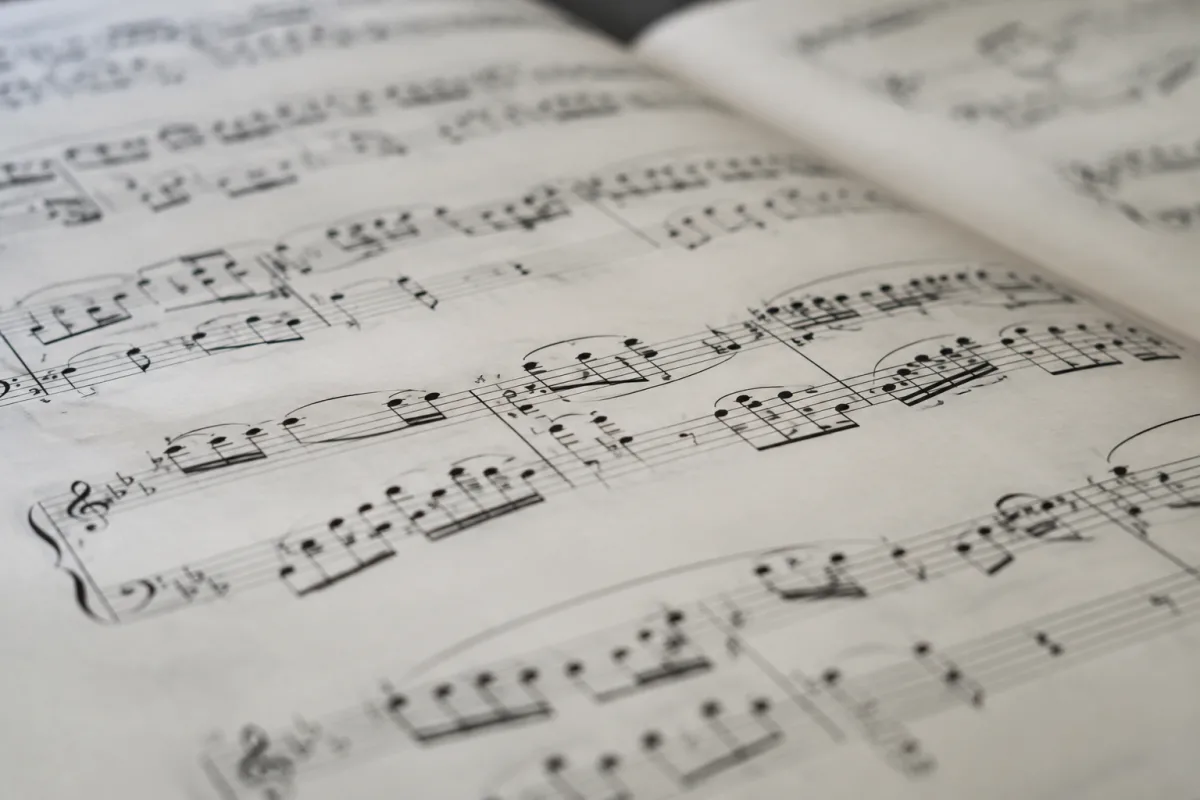
Introduction to Music Grade 5 Theory
Grade 5 music theory represents a significant step forward in music education. Moving beyond the fundamentals of grades 1-4, grade 5 theory explores more complex harmonic structures, modulation, composition techniques, and analysis skills. Whether you're preparing for ABRSM exams, preparing for advanced instrumental study, or deepening your music theory understanding, mastering grade 5 theory opens doors to sophisticated musical thinking. This comprehensive guide covers the essential knowledge areas that define grade 5 theory competency.
Intervals and their Qualities
Grade 5 theory demands fluency with all interval types and their qualities. You'll identify and construct major, minor, perfect, augmented, and diminished intervals across the entire musical range. Rather than simply recognising intervals by sound, grade 5 students must understand the theoretical underpinning—why a major third is major, what makes an interval diminished.
Intervals expand beyond simple octaves and thirds to encompassing ninths, tenths, and elevenths in harmonic contexts. You must recognise these compound intervals and understand their relationship to their simpler counterparts. This knowledge is essential for understanding chord construction and harmonic analysis.
Chord Construction and Analysis
Grade 5 theory explores chords beyond simple triads. Four-note seventh chords—major seventh, minor seventh, dominant seventh, and half-diminished varieties—form the foundation of jazz and contemporary harmony. Understanding chord construction means building these chords in any key, understanding their characteristic sounds and use in composition.
Chord analysis becomes more sophisticated at grade 5. You must identify chords within musical contexts, understand chord function (tonic, subdominant, dominant, relative minor equivalents), and recognise how chords progress to create harmonic movement. Roman numeral analysis—denoting chords as I, IV, V in a given key—becomes essential notation.
Key Areas Covered in Grade 5 Music Theory
- Extended Scales: Major and minor scales across all twelve keys, harmonic and melodic minor variations, modal scales, and pentatonic scales. Fluency with scales in all keys is non-negotiable.
- Modulation: Understanding how music shifts between keys, common modulation techniques (modulating to the dominant, relative minor, or closely related keys), and recognising modulation in scores.
- Voice Leading: Four-part harmony principles including proper voice leading, avoiding parallel fifths and octaves, and creating smooth, singable musical lines.
- Composition Techniques: Creating melodies that are coherent and stylistically appropriate, understanding phrase structure, and composing in specified forms and styles.
- Harmonic Analysis: Analysing complete movements or extended passages, identifying harmonic function, recognising non-harmonic tones (passing tones, suspensions, appoggiaturas), and understanding harmonic purpose.
- Time Signatures and Meter: Complex time signatures (7/8, 5/4, 9/8), irregular metres, and understanding rhythmic complexities beyond simple duple and triple time.
- Transposition: Transposing melodies and harmonic progressions between keys, understanding which instruments transpose and to which keys.
Essential Music Grade 5 Theory Concepts
| Concept | Description | Practical Application |
|---|---|---|
| Harmonic Function | Understanding how chords behave—tonic stability, dominant pull, subdominant preparation | Recognising chord purpose in harmonic progressions; composing effective chord changes |
| Non-Harmonic Tones | Notes outside the harmonic framework—passing tones, suspensions, appoggiaturas, escape tones | Understanding melodic decoration; avoiding mistakes in harmonic analysis |
| Cadences | Harmonic conclusions—perfect, plagal, interrupted, half cadences | Recognising phrase endings; composing effective conclusions to musical phrases |
| Part-Writing Rules | Conventions for four-part vocal writing—voice range, parallel intervals, smooth voice leading | Creating singable harmonies; understanding standard compositional practice |
| Figured Bass | Shorthand notation indicating harmony—understanding figures like 6, 6/4, 7, and 7-6 suspensions | Realising figured bass exercises; understanding Baroque harmonic conventions |
| Cadential 6/4 | Special 6/4 chord used at cadences as a decoration of the dominant chord | Understanding V6/4 to V progressions; analysing Classical period music accurately |
Preparation for Grade 5 Music Theory Exams
Successful grade 5 students develop systematic approaches to exam questions. Begin with written exercises—building scales in all keys, constructing chords, transposing melodies. These foundational skills form the basis for more complex analysis and composition tasks.
Practice harmonic analysis extensively. Analysing provided musical excerpts forces you to identify chords, recognise cadences, spot non-harmonic tones, and understand larger harmonic structures. Working through analysis exercises systematically builds the analytical skills essential for exam success.
Composition practice matters significantly. Write melodies in specified styles and keys, create harmonies using provided harmonic frameworks, and compose short pieces demonstrating understanding of form and harmonic function. Regular composition practice reveals weaknesses in your theoretical understanding that analysis alone might miss.
Study Resources for Grade 5 Theory
The ABRSM Theory in Music workbooks provide structured study paths aligned exactly with exam requirements. Working through these books systematically ensures you cover all necessary content. Supplement workbooks with practice exams—sitting through previous exam papers under timed conditions reveals your weaknesses and builds exam-day confidence.
Online resources including theory apps, YouTube tutorials, and interactive practice tools offer flexible learning. Many music colleges and universities provide free theory resources online. Private tuition with experienced music theory teachers accelerates learning and provides personalised feedback.
Common Grade 5 Music Theory Mistakes
Confusing interval spellings represents a frequent error. A major sixth and a minor seventh sound similar but spell completely differently. Practise interval construction methodically, counting line-and-space positions first, then applying quality adjustments.
Misidentifying chord qualities creates problems. Seventh chords particularly confuse students—a dominant 7th (dominant chord with minor seventh) differs fundamentally from a major 7th chord. Understanding chord construction rules prevents these errors.
Poor voice leading in harmonic exercises indicates insufficient understanding of part-writing principles. Study four-part chorale writing, understanding voice ranges, smooth voice leading, and harmonic progression conventions.
Conclusion
Music grade 5 theory represents a comprehensive introduction to sophisticated harmonic analysis and composition. Mastering seventh chords, modulation, voice leading, and harmonic analysis transforms your understanding of music. Whether preparing for formal exams or deepening personal music knowledge, commitment to grade 5 theory study yields profound understanding of how music functions. Invest time in systematic study, work through numerous practice exercises, and you'll develop the theoretical competency that elevates musicians from competent players to musically thinking individuals capable of understanding and creating sophisticated music.





Comments