


Method Books Buying guide
Method Books: A Complete Buyer's Guide
Choosing the right method books matters more than price. This buying guide shows you how to match your level, instrument, and goals to a book that actually works.
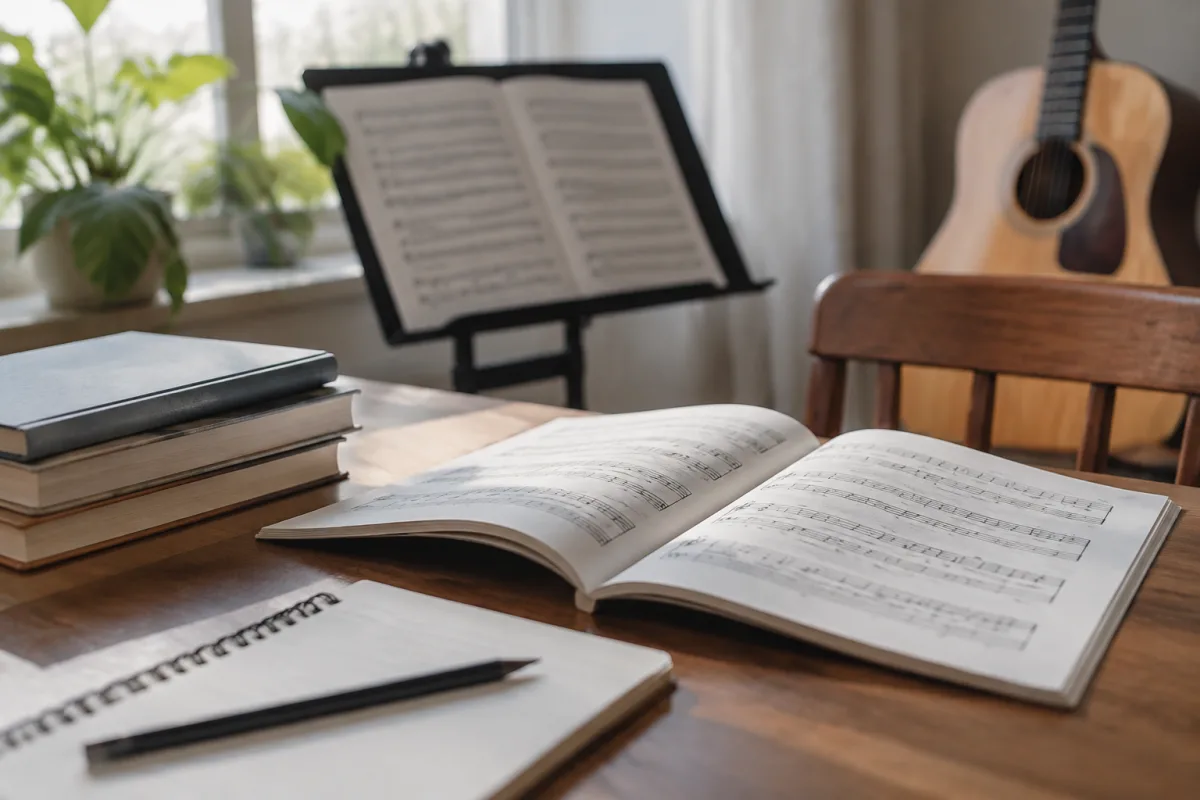
Walking into a music shop and facing rows of method books can feel overwhelming. Which one is right for your level? Your instrument? Your goals? A bad choice wastes money and frustration; a good choice accelerates your progress dramatically. I'm going to walk you through what matters when you're shopping for method books, what to look for in the pages, common pitfalls, and how to find the perfect fit without second-guessing yourself.
Understand Your Level First
Method books come at every level. Absolute beginner books assume you've never touched an instrument. Intermediate books assume you can read music and play with decent technique. Advanced books assume professional-level reading and execution. Pick the wrong level and you'll either breeze through bored or get stuck frustrated.
Be honest about your starting point. If you've never played before, don't buy a grade 5 method book hoping to speed through the early stuff. If you've played for years, don't buy a beginner book just because it's cheaper. The right level matters more than the price tag.
Progressive Structure: What to Look For
A good method book introduces concepts gradually, building each skill on the previous one. Flick through before buying. Are new ideas introduced in manageable chunks? Does each exercise reinforce what you just learned? Does the book gradually increase difficulty, or does it jump around?
Look at the early exercises. They should be simple enough to play within your first week but challenging enough to be interesting. If the first exercises feel tedious or impossible, it's not right for you. The best method books feel slightly above your current level, never too far.
Repertoire and Musical Content
This matters hugely. Some method books use folk songs, pop tunes, and music you'll want to play. Others use dry, artificial exercises designed purely to teach technique. Both have value, but you'll practice more if you enjoy the music.
Check the song titles and styles. Are they genres you like? Is the music from different periods and cultures? Variety keeps practice fresh. If every exercise is a nineteenth-century étude and you want to play jazz, find a different book.
Instrumentation and Instrument-Specific Details
Method books are instrument-specific. A piano method book is useless for guitar. Within each instrument, books vary. Guitar methods might focus on classical technique, fingerstyle, or chord-based playing. Violin methods differ wildly in their approach to bowing. Make sure you're buying for your actual instrument and your playing style.
Read reviews from players of your instrument. People who've used the book will tell you whether it actually teaches what you need to know for your playing goals.
Layout, Clarity, and Accessibility
Physical design matters. Is the book easy to read, or is the text tiny? Are the diagrams clear? Is there a sensible index? Can you navigate to specific topics quickly? A beautifully designed method book is a pleasure to practice from; a poorly designed one feels like a chore.
Check for supplementary materials. Many modern method books come with online access to recordings, videos, or interactive exercises. These aren't essential, but they help, particularly if you don't have a teacher.
Teacher Recommendations Versus Self-Study
If you have a teacher, ask them which method book to buy. They know your level and goals better than anyone. If you're self-teaching, look for books specifically designed for self-instruction, with clear explanations and no ambiguity. Some method books assume a teacher is present to clarify; others are written for independent learners.
Self-teaching books often include more explanatory text, fewer exercises that require teacher feedback, and clearer navigation. They cost slightly more but are worth it if you're working alone.
Price Considerations and Budget Tiers
Method books range from £10 to over £50. Budget books are sometimes thin or poorly designed; premium books include quality paper, better typesetting, and sometimes supplementary materials. The most expensive isn't always best—a book at mid-range price often offers the best value.
Don't buy used method books without checking the condition. Pencilled-in exercises or previous owner's notes can be confusing. New books aren't expensive enough to justify the confusion of inheriting someone else's markings and decisions.
Avoiding Common Buying Mistakes
Mistake one: buying based on pretty cover art or reputation without checking the actual content. Look inside the book before buying. Is it well organised? Does the progression make sense? Does the style appeal to you?
Mistake two: jumping to advanced books because you want to progress faster. This backfires. You'll get stuck on foundations and progress more slowly. Spend time with a book at your level first.
Mistake three: buying a different method book every month because you're impatient. Progress requires consistency with one book. Stick with your choice for at least two or three months before judging whether it's working.
Mistake four: choosing based on price alone. The cheapest book isn't always good value if it's poorly designed or wrong for your level. Invest in something that actually suits you.
Testing Before Buying
Try method books in person at a music shop before buying online. Spend five minutes flicking through. Does it feel right? Is the layout clear? Do the explanations make sense? Your gut reaction matters—you'll practice from a book you enjoy far more than one you've only read reviews about.
Many websites let you preview the first few pages or chapters. Use that to narrow down choices before visiting a shop.
Complementing Your Method Book
Most musicians eventually use more than one method book. A comprehensive book teaches foundations; you might add a book focused on your specific interest later—jazz for guitar, contemporary classical for piano, folk techniques for fiddle. Your first method book is your foundation; it doesn't need to cover everything.
For detailed guidance on understanding method books and music education, see our complete method books guide.
Conclusion
Buying the right method book comes down to matching your level, instrument, and learning style to a well-designed book with music you enjoy. Take time to look through your options before buying. Spend a bit more on something genuinely suited to you rather than saving a few pounds on something wrong. A good method book becomes a trusted companion for years of practice. Choose thoughtfully and you'll have a tool that genuinely accelerates your progress.



Comments