


Graded Music Books Buying guide
Graded Music Books: A Complete Buyer's Guide
Selecting the right graded music books for your skill level is crucial for maintaining motivation and making steady progress as a musician.
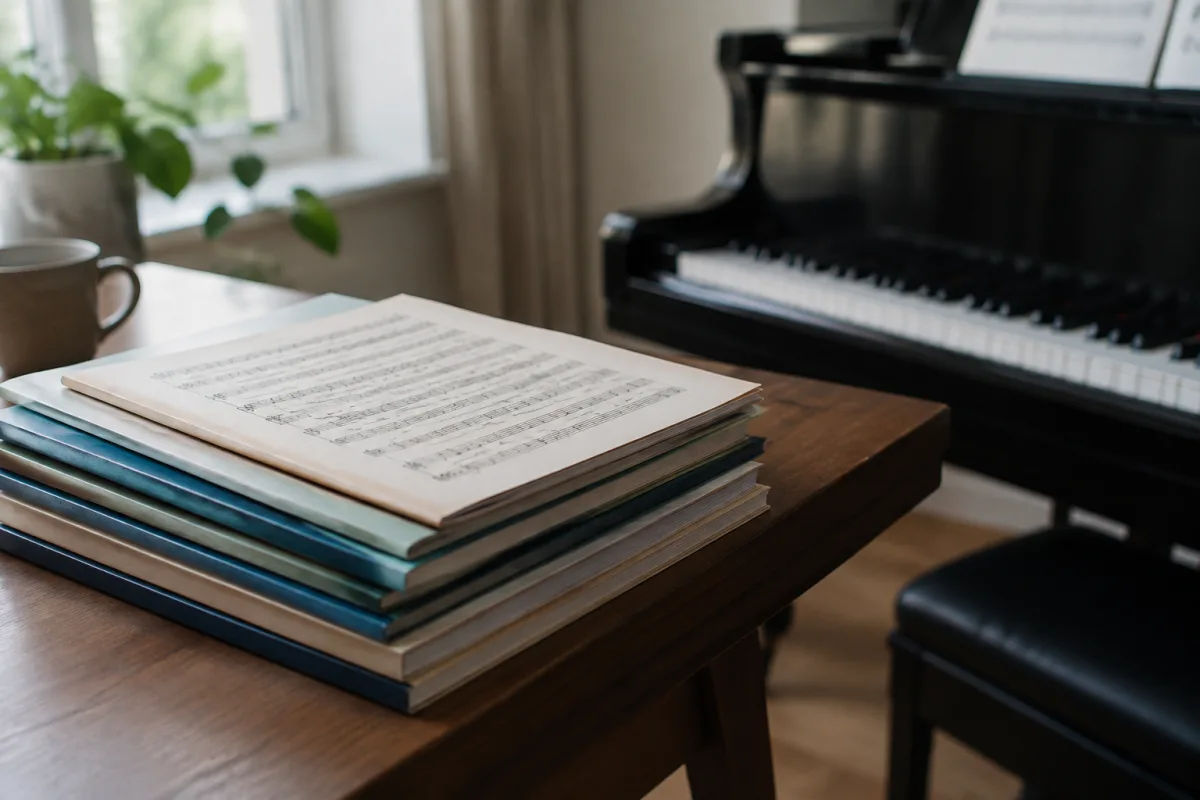
Selecting the right graded music books for your skill level is crucial for maintaining motivation and making steady progress as a musician. With countless options available—ranging from classical training books to contemporary sheet music collections—knowing what to prioritise will save you money and frustration. This guide covers everything you need to know about choosing graded music books that match your instrument, ability, and musical interests.
Understanding Grading Systems in Music Books
Most graded music book publishers use standardised difficulty levels, though the naming varies slightly. ABRSM (Associated Board of the Royal Schools of Music), Trinity College London, and Rockschool all grade material from Debut or Grade 1 through to advanced levels. Understanding these grading systems helps you select appropriate material immediately.
Grades 1-3 are true beginner and early-intermediate levels, featuring straightforward melodies, simple rhythms, and manageable key signatures. Grades 4-5 introduce more complex structures, wider ranges, and challenging techniques. Grades 6-8+ are for accomplished amateur and professional musicians. Selecting material one level above your current ability challenges you appropriately; anything higher creates frustration and demoralisation.
Price Tiers and What Each Offers
Graded music books span a wide price range, reflecting both content and publication quality:
- Budget options (£3-8 per book): Photocopied or basic digitally-printed collections, often focusing on folk tunes or classical extracts. Fine for practice material but often lack attractive presentation or supplementary resources.
- Standard publications (£8-15 per book): The most popular range. Published by established music education companies like ABRSM, these include guidance notes, practice strategies, and professionally arranged pieces. Reliable quality and good value for most learners.
- Premium publications (£15-25 per book): Often beautifully presented, these include high-quality paper, professional artwork, accompanying recorded examples on app or CD, and detailed teacher's notes. Ideal for serious students and ensemble groups.
Choosing Books for Your Instrument
Always purchase books specifically arranged for your instrument, not generic "easy music for everyone" collections. A flute arrangement differs fundamentally from a clarinet version of the same melody—the range, register, and technical demands are instrument-specific. Books marked "in C" or "in treble clef" work universally, but most reputable publishers create instrument-specific editions.
For young children or adult beginners, single-instrument books written for your specific instrument (like "Saxophone Basics Book 1" or "Beginner Violin Pieces") work best. These gradually introduce your instrument's technical challenges in sequence.
Key Features That Matter in Graded Music Books
Beyond the pieces themselves, examine these features:
- Clarity and layout: Look for large, well-spaced notation that's easy to read. Poor print quality strains eyes and creates errors. Flip through the book before buying if possible, checking the visual clarity.
- Practice guidance: Good graded books include tips for tackling technical challenges. Prefatory notes explaining what's new at this level help you focus on appropriate practice priorities.
- Variety: Books mixing genres (classical, folk, contemporary) and styles (duets, solo pieces, arrangements) keep practice engaging. A book consisting of 30 nearly-identical pieces bores even dedicated learners.
- Progressive difficulty within the grade: Excellent graded books begin with easier pieces in that grade and progress to more demanding ones. This scaffolding supports achievement and builds confidence.
- Supplementary resources: Audio recordings or app accompaniments provide reference recordings and practice backing tracks. These are genuinely helpful for both learners and teachers.
Common Mistakes When Buying Graded Music Books
Avoid these pitfalls that lead to wasted money and unused books:
- Buying too far above your level: Grade 4 music looks manageable on paper but may frustrate beginners with its technical demands. Stay at your current grade or one level above at most.
- Purchasing collections without previewing: Always review at least sample pages online or in person. A book with attractive cover art might contain poorly arranged pieces with awkward ranges for your instrument.
- Ignoring your musical preferences: If you dislike the styles included (all classical when you prefer pop, or vice versa), practice motivation disappears. Find books that genuinely appeal to your taste.
- Buying purely from online reviews without checking the actual content: A book with four-star ratings might include only three pieces suitable for your instrument out of thirty total pieces, wasting half the content.
- Neglecting used or second-hand options: Graded music books from previous years are often identical to current editions. Buying used can save 30-50% without sacrificing quality, though check that notation is clearly legible.
Specific Book Recommendations by Category
For absolute beginners at Grade 1-2 level, ABRSM's "Piano Exam Pieces" and corresponding instrument series offer reliable, well-graded material. For folk and contemporary styles, Hal Leonard's "Essential Elements" and Faber Music's collections provide engaging, instrument-specific arrangements.
Adult learners often benefit from collections specifically marketed as "for adult learners," which feature larger notation and more sophisticated musical choices than children's books at the same grade.
Building a Graded Music Book Collection
Most musicians develop a collection rather than purchasing one comprehensive book. Typically, you'll use 2-3 active books at any given level, plus supplementary material. This provides variety and prevents boredom whilst maintaining focus on grade-appropriate difficulty.
Your teacher can recommend specific titles or suggest which books work well for your instrument and goals. Many teachers have personal preferences and will guide you toward materials that align with their teaching approach.
Digital vs. Physical Books
Digital sheet music (via apps and websites) offers convenience and sometimes cost savings, but many musicians find reading music from screens during practice tiring. Physical books remain the standard, though digital resources work well for supplementary practice. Consider starting with physical books; you can always add digital subscriptions if those suit your habits better.
For detailed comparisons and comprehensive information about graded music book categories, see our complete guide to graded music books.
Making Your Selection with Confidence
Start by identifying your current level accurately, then browse samples from 3-4 publishers. Read descriptions of what's included and confirm you're getting instrument-specific material. Trust your instinct about whether the book's style appeals to you. When you find one that checks all boxes—appropriate difficulty, includes styles you enjoy, clear presentation, and reasonable price—that's your book.


Comments