


Exam Pieces Buying guide
Exam Pieces: A Complete Buyer's Guide
Choosing the right exam pieces requires understanding your exam board's requirements and selecting repertoire that suits your abilities. This guide covers what to look for and where to buy.
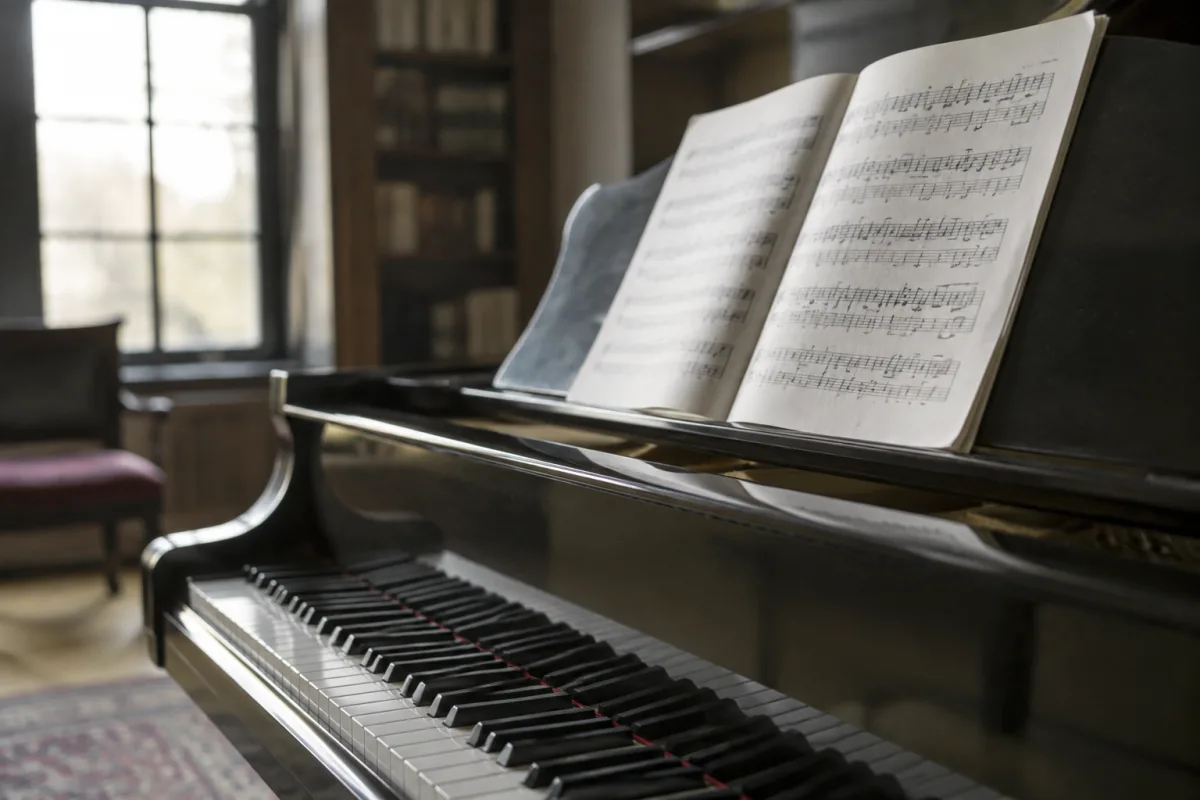
Choosing the right exam pieces is one of the most important decisions an exam candidate and their teacher can make. The pieces you select directly affect your practice quality, your performance confidence and potentially your final grade. With so many choices available across different exam boards and levels, knowing how to select exam pieces that suit your strengths, fit within the rubric requirements and genuinely inspire you is crucial. This guide walks you through what to consider when buying exam pieces.
Understanding Your Exam Board's Requirements
Before you choose any piece, understand your exam board's rubric. The major UK boards (ABRSM, Trinity College London, Rockschool and others) each publish syllabus documents listing approved pieces for each level. These documents are free and available on the boards' websites. Start there, not with random piece choices. Some key rules to understand:
- Approved piece lists: Most exam boards require you to choose from their official syllabus. You cannot perform an unapproved piece and expect it to count toward your grade. Always check the current year's syllabus.
- Category requirements: Typically, you must choose pieces from different categories (e.g., baroque, classical, contemporary). You cannot choose three baroque pieces; you must spread across styles. Know these rules before shopping.
- Difficulty matching: Pieces within a level (e.g., Grade 3) vary in difficulty. Easier pieces are great confidence-builders; harder pieces show range. A balanced exam programme includes one accessible piece, one at the level's mid-point and one that challenges you.
- Duration requirements: Some boards specify minimum or maximum total duration. Check this before committing; a piece too short or too long won't count.
- Technical requirements: Your teacher should check that each piece features the technique you need to demonstrate at that level (e.g., finger strength, ornamentation, complex time signatures). A piece without your required technique wastes exam time.
Choosing Pieces Within the Rules
Once you know your exam board's requirements, here's how to select wisely:
One Accessible Piece
Choose one piece at the lower end of your level—something you can nail within 4–6 weeks of solid practice. This builds confidence and guarantees one strong, secure performance. Examiners appreciate controlled, polished playing; a flawless easier piece often scores better than a struggling difficult piece.
One Mid-Level Piece
The repertoire's "Goldilocks" piece—not too hard, not too easy. This is where you showcase both comfort and challenge. It should require serious practice but feel achievable with focused work.
One Challenging Piece
The piece that stretches you. Technically demanding, musically rich, it shows the examiner what you're capable of. Even if it's not perfect, a courageous performance of a genuinely ambitious piece impresses examiners. Avoid pieces you'll panic about; choose something challenging but that you've rehearsed seriously.
Your teacher plays a vital role here. They know your strengths and the specific technical focus of your level. Trust their guidance; they've prepared dozens of candidates and know which pieces translate well to exam conditions.
Where to Buy Exam Pieces
Specialist Music Retailers
Online shops like Musicroom, Sheet Music Plus and publisher websites stock the vast majority of pieces on current exam syllabi. Cost: varies widely, typically £2–6 per piece. Advantages: reliable stock, sample pages available, they know exam boards and can guide you. Disadvantages: delivery times, no return after purchase.
Local Music Shops
Many independent music shops stock exam syllabus books and popular pieces. Cost: similar to online (£2–6). Advantages: immediate purchase, visual inspection, expert staff advice, supporting local business. Disadvantages: smaller selection, potentially higher prices than online.
Exam Board Published Collections
ABRSM, Trinity and other boards publish official compilations of pieces from their syllabus. Cost: £12–20 per book. Advantages: guaranteed authenticity, all pieces in one book, useful for browsing. Disadvantages: you pay for pieces you won't play, bulky to carry for performance.
Digital Download Services
Some pieces are available as PDF downloads from SheetMusicPlus or publisher websites. Cost: typically cheaper than printed (£1–4). Advantages: instant delivery, space-saving. Disadvantages: not all pieces available digitally; printing costs add up if you need multiple copies for teacher, accompanist and performance.
Library Borrowing
Many music libraries and conservatoires lend exam pieces. Cost: free or small subscription. Advantages: try before you buy; if you hate a piece, no loss. Disadvantages: limited selection, wait lists, you must return materials on schedule.
Used Music and Sheet Music Donations
Estate sales, online marketplaces and local music groups often have older exam pieces. Cost: 30–50% below retail. Advantages: bargains, access to older syllabi. Disadvantages: older editions may differ slightly from current ones; condition varies.
Pricing and Budget Planning
- Single pieces: £2–6 each. Three pieces for an exam: £6–18.
- Official syllabus books: £12–20 each, but cover multiple pieces and levels.
- Teacher material (optional): £15–25 if your teacher needs their own copy.
- Accompanist material: if using a pianist, add £5–10 for their copy.
- Performance copy (printed for exam day): £2–6 if you need a fresh, pristine copy for the examination room.
Total for one exam: typically £15–40 depending on whether you share copies or buy extras for teacher and accompanist.
Red Flags and Common Mistakes
- Buying pieces not on the current syllabus: An old edition or piece from a previous year's list won't count. Always verify with the current year's official syllabus before purchasing.
- Choosing pieces without your teacher's input: Your teacher knows the exam rubric and your abilities. Don't buy pieces solo; consult first.
- Selecting three technically similar pieces: If all your pieces feature fast fingerwork and no slow lyrical playing, you're not showing range. Spread your technical focus.
- Falling in love with a piece that's too hard: A piece you'll still be struggling with two weeks before the exam is risky. Ambitious is good; unachievable is stressful.
- Buying a piece with illegible or damaged typesetting: Bad copies lead to mistakes in performance. Always inspect digital previews before committing.
- Ignoring the piece's origin or arrangement: Some approved pieces have multiple arrangements or editions. Verify you're buying the specific version your teacher has selected.
Researching Pieces Before You Buy
- Listen to recordings of each piece (YouTube, Spotify) to hear the musical character and gauge difficulty by ear.
- Read reviews from other exam candidates or teachers on forums like ABRSM discussions or local music groups.
- Ask your teacher which pieces they've taught successfully; they often have strong opinions on which pieces work well at your level.
- If possible, borrow a piece from the library or a friend to try before buying.
- Check the accompaniment requirements—does it need a pianist? An guitar? Can it be played solo?
- Verify the piece's duration and that it matches your exam board's requirements.
For comprehensive information on exam piece selection and preparation, see our complete exam pieces guide.
Final Thoughts
Buying exam pieces is an investment in your learning. Take time to understand your exam board's rubric, consult your teacher, and choose pieces that are challenging yet achievable, diverse in style and genuinely engaging. A well-chosen set of exam pieces supports focused practice and builds performance confidence. You'll spend 8–12 weeks with these pieces; choose ones you enjoy playing. That enthusiasm translates into better practice, deeper learning and ultimately a stronger exam performance.


Comments