


Yamaha Piano White article
Yamaha Piano White for Beginners: A Complete Guide
A white Yamaha piano is a stunning first instrument. Our beginner's guide covers setup, posture, maintenance, and realistic expectations for learning.
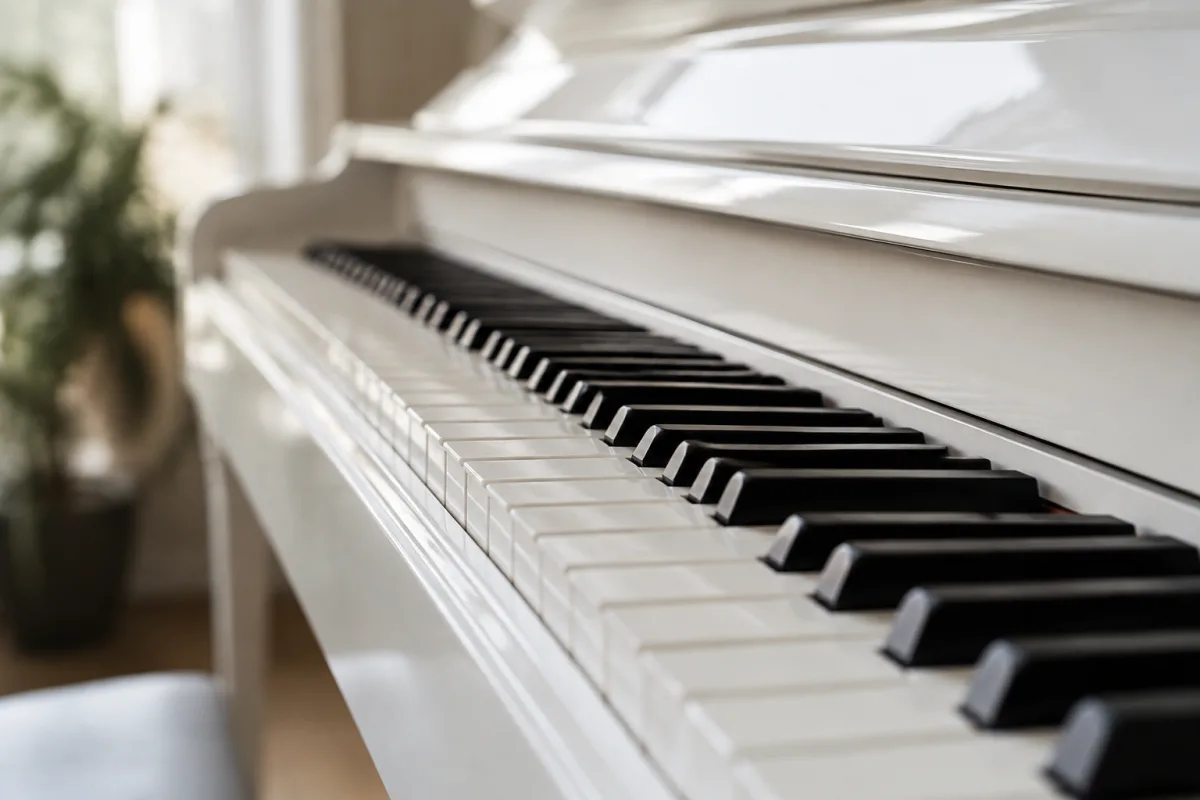
A white Yamaha piano is an inspiring first instrument. It looks elegant, it's built reliably, and Yamaha's reputation precedes them. If you're a nervous beginner contemplating your first piano, a white Yamaha feels like the right choice. This guide walks you through everything you need to know: why a white Yamaha piano is genuinely beginner-friendly, what models suit your situation, how to set it up properly, and the maintenance basics that keep it performing beautifully for years.
Why Yamaha for Your First Piano
Yamaha has engineered pianos and keyboards for over a century. Their reputation is built on consistency, reliability, and accessibility across price points. A Yamaha piano white model won't let you down. The touch is responsive, the sound is clear, and the build quality means it'll tolerate the inevitable bumps and adjustments that come with learning. Beginners sometimes worry about investing in pianos—that it's a commitment beyond their readiness. A Yamaha piano white offers that commitment with the security that you're buying from a maker trusted by professionals and learners alike.
Understanding Yamaha's Piano and Keyboard Range
Yamaha makes multiple categories of white piano options:
Digital pianos: Electronic instruments that produce sound via speakers. They're affordable, portable, and require no tuning. Perfect for apartments and beginners on a budget.
Upright acoustic pianos: Traditional wooden instruments in an upright cabinet. They take more space than digital models but offer authentic acoustic tone and touch. Require regular tuning.
Grand pianos: The most expensive category. Horizontal design, sophisticated action, concert-quality tone. Overkill for beginners.
For your first Yamaha piano white, a digital model or quality upright is ideal. Grand pianos are for later commitment.
Digital vs. Acoustic White Yamaha Piano: Making Your Choice
Digital piano white: Affordable (£300-1500), requires no tuning, quiet (use headphones), portable, and ideal for apartments. Touch can feel slightly different from acoustic pianos, but quality models mimic it well. Perfect for beginners learning fundamentals.
Upright acoustic piano white: More expensive (£2000-8000), requires tuning every 6-12 months, has authentic acoustic tone and touch, and demands permanent space. Better for committed learners ready to invest in the full experience.
If you're uncertain about commitment level, start digital. If you're certain and willing to invest, an acoustic upright Yamaha piano white is rewarding. Neither is wrong; your living situation and commitment level decide.
Your First Week: Setup and Adjustment
When your Yamaha piano white arrives, spend your first week in familiarisation mode. Sit at the bench—it should feel comfortable and allow your arms to rest naturally at the keys. Play the full range of the keyboard, listening to the tones. Press some keys with varying force, noticing how the touch responds. Beginners often expect the piano to feel like something they already know—it won't. Give yourself grace as your hands learn a new instrument. Most awkwardness dissolves within two weeks of regular practice. Spend this week gently exploring, not forcing technique.
Essential Posture Lessons Before You Start Playing
Piano technique starts with posture. Sit upright, back straight but relaxed. Your bench height should allow your forearms to be roughly parallel to the floor. Wrists should be neutral—not bent down or up. Your fingers should curve naturally, as if holding a ball. If your white Yamaha piano doesn't come with a quality bench, invest £30-80 in one that's adjustable. Posture mistakes learned early become habits that are hard to break. Getting this right immediately prevents injury and enables faster progress.
Common Beginner Mistakes With a Yamaha Piano White
Assuming piano requires a musical background. Piano is surprisingly beginner-friendly. Lessons build from basics quickly. Don't assume you need prior experience. Many adults start piano with zero musical foundation and progress steadily.
Neglecting the bench. Beginners often sit too low or too high, creating tension and poor technique. A quality adjustable bench costs less than a month of lessons but affects every practice session. It matters.
Practising for hours without breaks. Beginners sometimes binge-practice, causing hand fatigue and frustration. Consistent 20-30 minute sessions are better than three-hour marathons. Your hands need time to develop strength and calluses.
Not getting lessons early. A Yamaha piano white is intuitive, but technique requires guidance. Three to five lessons from a qualified instructor prevent bad habits that linger for months. Invest in instruction.
Skipping tuning on acoustic pianos. If you have an acoustic white Yamaha piano, tuning every 6-12 months is non-negotiable. A neglected acoustic piano sounds worse with each passing month. Budget for tuning from the start.
Pedals and How to Use Them (Eventually)
Your Yamaha piano white likely has pedals (digital models have them too). Most beginners ignore pedals initially—that's fine. Focus on learning the keyboard first. Once you've mastered basic melodies and chords (after a few months), ask your teacher about pedal technique. The sustain pedal (rightmost) is most important. It prolongs note duration, creating fuller sound. The soft pedal (leftmost) reduces volume. The middle pedal (sostenuto) is advanced. Don't rush pedals—they enhance playing but aren't essential for foundational learning.
Maintenance: Keeping Your White Yamaha Piano Performing
A white Yamaha piano needs basic care. Dust it gently with a soft cloth weekly. Keep the keyboard clear of food and drink. Digital pianos require occasional cleaning of the keys with a slightly damp cloth. Acoustic pianos need more attention—hire a technician for tuning and regulation. Don't attempt internal maintenance yourself. If something feels wrong (keys sticking, sound changing), contact Yamaha or a qualified technician. Small issues resolved early prevent expensive damage later.
Building Your Practice Routine
Consistency beats intensity. A 20-minute daily practice session beats three two-hour sessions per week. Your fingers need regular exposure to develop technique. Set a practice time and defend it. Beginners who practice daily improve noticeably within weeks. Those who practise sporadically stagnate. Your white Yamaha piano is most inspiring when you're making progress. Practice discipline creates progress.
Learning Resources: Navigating Lessons and Guides
Invest in a qualified piano teacher—three to five lessons establish proper technique. After that, supplementary online resources help. Books like "Alfred's Essentials of Music Theory" provide foundations. YouTube teachers offer technique tips. But nothing replaces a qualified instructor catching mistakes early. Invest in instruction; it saves time and frustration down the line.
The White Finish: Appearance and Care
A white Yamaha piano white finish looks stunning but requires realistic expectations. White lacquer can show dust more readily than darker finishes. It may develop minor discolouration over time, especially near sunlight. This is cosmetic and doesn't affect how the piano sounds or plays. Embrace it as part of the instrument's character. Dust regularly with a soft, dry cloth. If spills occur, clean immediately with a slightly damp cloth, then dry thoroughly. Avoid harsh chemicals.
Your First Month: Realistic Expectations
In your first month, expect to:
- Learn to identify the notes and basic hand position.
- Play simple melodies using one hand.
- Understand rhythm and basic reading.
- Feel hand fatigue from building strength (normal).
- Progress faster than you expect in week three and four.
You won't play Chopin in month one. You will play recognisable melodies and feel genuine progress. That's the beginner's win.
Your Yamaha Piano White Adventure Begins
A white Yamaha piano is your gateway to a lifetime of musical expression. Beginners often underestimate how quickly they'll progress and how much joy a piano brings. Start with a quality digital model or acoustic upright, depending on your commitment level. Get proper instruction early. Practice consistently. Within months, you'll play recognisable songs. Within a year, you'll be genuinely musical. Your white Yamaha piano is reliable and inspiring—live up to its potential. For deeper exploration of Yamaha pianos and piano technique, see our complete guide to Yamaha piano white.


Comments