
Yamaha Piano Electronic article
The Complete Guide to Yamaha Piano Electronic
Yamaha electronic pianos combine authentic acoustic piano sound with digital convenience, offering weighted key action and professional sound quality at accessible prices.
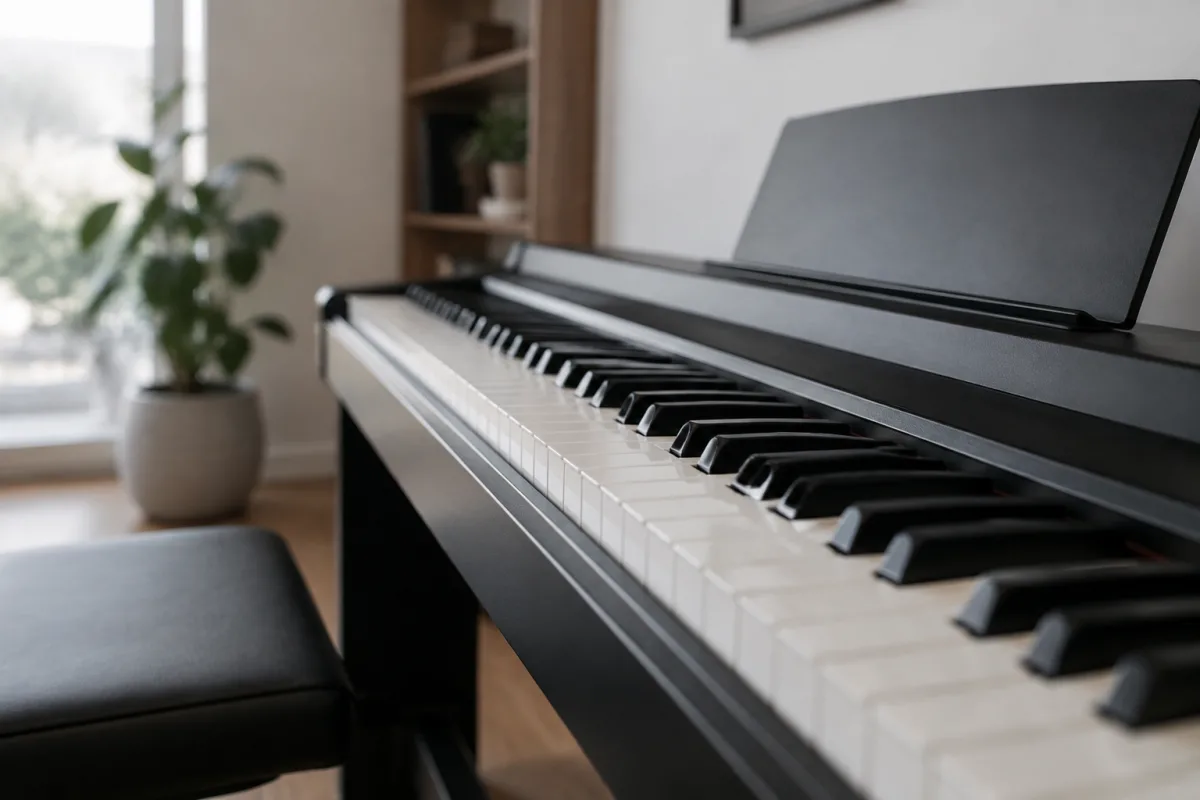
Yamaha electronic pianos stand at the forefront of digital instrument innovation, blending authentic acoustic piano sound with the convenience and affordability of modern technology. Whether you're a classical pianist seeking a practice instrument, a student just beginning your musical journey, or a gigging musician looking for a portable stage piano, Yamaha offers a comprehensive range of electronic pianos designed to meet every need and budget. These instruments reproduce the touch, tone and responsiveness of a fine acoustic grand piano, whilst offering features like weighted keys, built-in learning modes and MIDI connectivity that acoustic pianos simply cannot provide.
What Makes Yamaha Electronic Pianos Different?
Yamaha's reputation for manufacturing acoustic pianos spans over a century, and that expertise translates directly into their electronic piano designs. Yamaha electronic pianos are built upon the company's proprietary sound engine technology, which captures the nuanced tones of their finest concert grand pianos and translates them into high-fidelity digital audio. The critically acclaimed CFX and Bösendorfer samples, for instance, are derived from Yamaha's own concert instruments played by world-class pianists. This commitment to authenticity means a Yamaha electronic piano sounds substantially more like a real acoustic piano than many budget alternatives.
Key Features of Yamaha Electronic Pianos
Modern Yamaha electronic pianos include several distinguishing features that appeal to both beginners and professionals:
- Weighted Key Action: Yamaha's GrandTouch™ and GrandTouch-S™ key mechanisms replicate the weighted hammer action of an acoustic piano, where each key requires appropriate resistance and returns naturally. This ensures proper technique development and a playing experience that closely mimics a traditional piano.
- High-Quality Sound Engine: CFX concert grand and Bösendorfer Imperial samples deliver two distinct, world-class piano voices. The polyphony engine handles complex pieces without voice cutting, and layering capabilities allow pianists to split the keyboard or blend sounds creatively.
- Connectivity: USB and MIDI connectivity enable integration with computers and music production software, making Yamaha electronic pianos excellent tools for composition, recording and practice enhancement.
- Learning Aids: Many Yamaha models include built-in lessons, performance recording and playback functions that support practice and skill development.
- Portability: Unlike acoustic pianos weighing several hundred kilograms, Yamaha stage pianos and portable models weigh 20–40 kilograms, making them suitable for mobile musicians and smaller spaces.
Yamaha Electronic Piano Models and Categories
Yamaha's electronic piano lineup encompasses several distinct categories, each serving different use cases:
Console Pianos: Full-sized furniture instruments like the DGX and YDP series blend piano functionality with elegant cabinet design. These are ideal for home use, combining acoustic-piano-like aesthetics with digital convenience. The 88-key weighted keyboards and built-in sounds make them suitable for serious amateurs and students.
Portable Stage Pianos: Lightweight models such as the P-125, P-515 and CP-88 prioritise portability without sacrificing sound quality. These instruments are favoured by session musicians, touring performers and jazz pianists who need a professional-grade piano that fits in a van.
Professional Grand Pianos: The Yamaha CFX-style instruments offer concert-hall sound and comprehensive MIDI and effects editing. These target recording studios, touring artists and institutions requiring top-tier audio quality.
Touch and Playability
One of Yamaha's strongest advantages is its keyboard action. The GrandTouch key mechanism reproduces the subtle escapement and progressive resistance of an acoustic grand piano's action. This means the keyboard responds more naturally to subtle nuances in touch—soft pedalling, rapid repetition and dynamic control all feel authentic to a pianist trained on acoustic instruments. Many professional pianists who switch to a Yamaha electronic piano report minimal adjustment time because the playing experience is so faithful to the acoustic original.
Sound Quality and Sampling
The sound samples in Yamaha electronic pianos are recorded using multiple microphone positions and capture the resonance of the entire instrument, not just the strings. The CFX grand piano sample, for example, includes the characteristic brightness and projection of Yamaha's own concert grand, whilst the Bösendorfer sample offers the warmer, darker tones associated with the Viennese instrument. Players can blend these voices, adjust reverb and control lid position simulation—a feature that mimics the acoustic effects of opening or closing an acoustic piano's lid.
Pedal Functions
Yamaha electronic pianos include three pedals (sustain, soft and sostenuto) with authentic functionality. The sustain pedal behaves like an acoustic piano's damper pedal—holding notes and allowing sympathetic resonance. The soft pedal shifts the entire piano's mechanism sideways (on acoustic pianos), altering which hammers strike the strings; Yamaha's digital soft pedal modulates tone convincingly rather than simply reducing volume. The sostenuto pedal sustains only selected notes, essential for complex classical repertoire.
Learning and Practice Features
Many Yamaha electronic pianos integrate learning functions that benefit students. Built-in lesson programs teach hand positioning and rhythm. Practice recording allows pianists to play a piece, hear the playback and identify mistakes. MIDI connectivity permits connection to music education software like Synthesia, which displays visual representations of pieces to learn. These features make Yamaha electronic pianos particularly valuable for self-teaching beginners and young students.
Professional Use and Integration
Yamaha's stage pianos are standard instruments in studios and on stages worldwide. The USB and MIDI connectivity allows them to function as master keyboards controlling synthesizers and drum machines, whilst the audio quality is sufficiently high for direct recording into professional digital audio workstations (DAWs). Many Yamaha electronic pianos include effects such as reverb and chorus, and some offer deeper sound editing capabilities for performers seeking unique sonic signatures.
Price and Value Considerations
Yamaha electronic pianos range from entry-level models at £400–£800 (the P-125 or YDP-S35) to professional concert-grade instruments exceeding £3,000. This pricing structure reflects build quality, keyboard sophistication and sound sampling depth. For the investment, a Yamaha electronic piano typically offers longer durability and superior sound quality compared to budget brands, whilst remaining far more affordable than a quality acoustic upright or grand piano.
Maintenance and Longevity
Unlike acoustic pianos, which require regular tuning and can suffer from humidity fluctuations, Yamaha electronic pianos require minimal maintenance. Digital pianos do not go out of tune, suffer less wear on key mechanisms than acoustic instruments and are unaffected by temperature and humidity changes. A well-maintained Yamaha electronic piano can provide reliable performance for ten years or more with minimal servicing.
Comparing Yamaha to Other Brands
Competitors such as Kawai, Roland and Korg offer excellent electronic pianos, but Yamaha maintains advantages in acoustic piano manufacturing heritage, sample authenticity and widespread availability. Kawai instruments offer comparable keyboard action and sound quality, whilst Roland stage pianos excel in portability and synthesis features. For pianists prioritising an instrument that sounds and feels most like an acoustic piano, Yamaha frequently emerges as the preferred choice.


Comments