


Wavetable Synthesizer Buying guide
Wavetable Synthesizer: A Complete Buyer's Guide
Wavetable synthesis delivers animated, evolving sounds impossible with traditional synthesis. This buying guide evaluates the features that actually matter when choosing your first or next wavetable synthesizer.
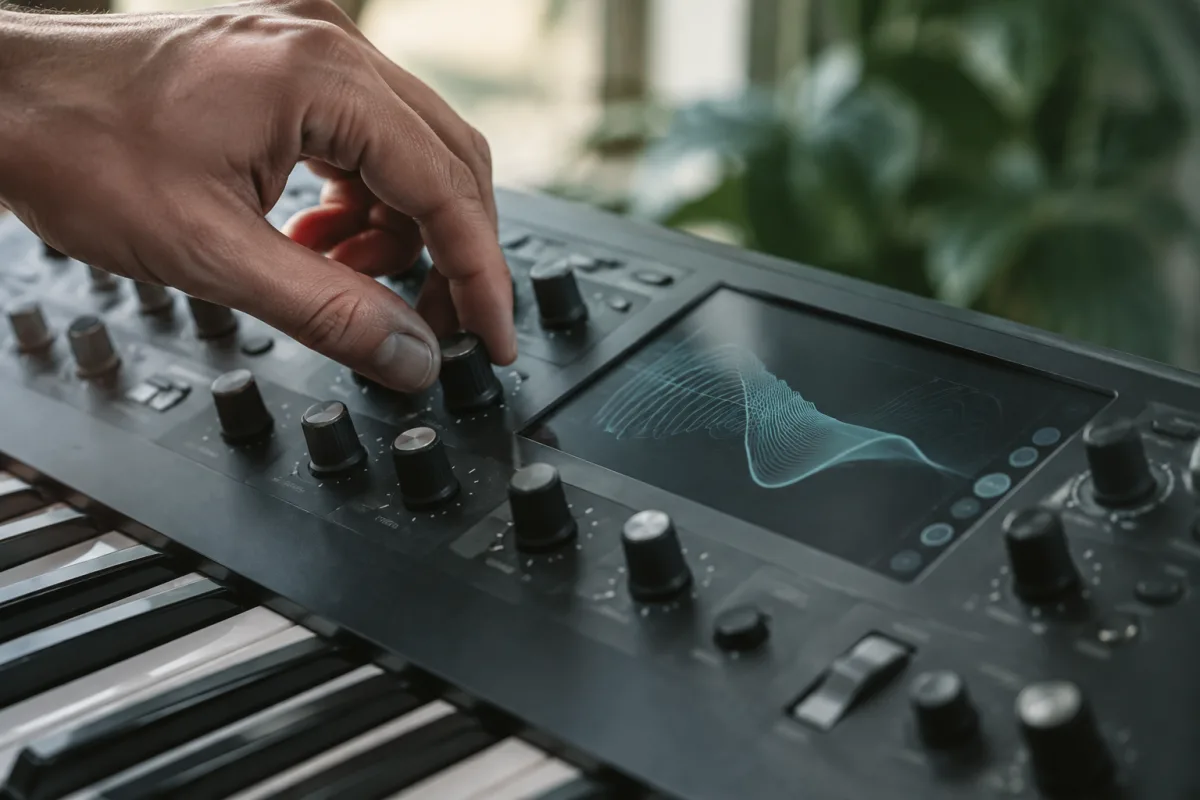
Wavetable synthesis has revolutionised modern sound design because it lets you morph between completely different timbres in ways traditional synthesis can't match. Buying a wavetable synthesizer means understanding what wavetable synthesis actually does, which machines deliver the best sound character, and how to evaluate options before spending serious money. This guide cuts through the jargon and focuses on practical specs that matter when choosing a wavetable synthesizer.
What Makes Wavetable Synthesis Different
Traditional synthesis uses simple oscillators producing standard waveforms—sawtooth, square, triangle. Wavetable synthesis stores complex waveforms (wavetables) inside the synth and lets you morph smoothly between them. A single wavetable might contain 256 different snapshots of complex timbres, transforming continuously as you turn a knob or modulate with an LFO. This creates evolving, alive sounds that static waveforms can't match. The same synthesizer can produce anything from warm analog-style bass to alien, otherworldly pads because you're fundamentally changing the oscillator's character in real time.
That morphing capability is what justifies buying a wavetable synthesizer specifically. If you only need traditional synthesis, simpler synths cost less. But if you want animated, evolving textures and sound design beyond traditional synthesis, wavetable is the approach.
Price Ranges and Value Propositions
Entry-level wavetable synthesizers range from £200 to £400. These offer solid wavetable morphing and reasonable sound character but may have limited modulation or smaller keyboardsa. Mid-range machines (£400-£900) deliver professional features, proper keyboards, and versatile sound design capabilities. Premium wavetable synthesizers exceed £1000, offering advanced sound design, sequencing, and build quality that justifies the cost.
The value threshold differs by your needs. A bedroom producer might find a £300 machine perfect; a working musician needs better integration and reliability. Consider not just price but warranty, company support, and resale value—established brands like Roland and Korg hold value far better than lesser-known manufacturers.
Wavetable Selection and Custom Wavetables
The built-in wavetable library matters enormously because it's your starting point for sound design. Some machines include 500+ wavetables; others have fewer but higher-quality options. Listen to demo videos featuring the actual machine's wavetables. Quantity isn't everything—a machine with 200 brilliant wavetables beats one with 1000 mediocre ones.
Check whether the synth accepts custom wavetables. Modern machines often let you import wavetables you create or download from the internet. This future-proofs your investment—if you run out of preset inspiration, you can create or acquire new wavetables indefinitely. This flexibility separates premium machines from locked-down budget options.
Morph Controls and Modulation Depth
How you control wavetable morphing makes or breaks workflow. The best machines have dedicated sliders or knobs for morphing, not menu diving. Real-time morphing control—physically moving a slider as the wavetable transforms—is where the magic happens. Some machines let you control multiple morphing parameters (position, detune, level) independently, whilst others limit you to linear morphing.
Modulation options matter critically. Can you modulate wavetable position via LFO, envelope, and keyboard tracking simultaneously? Some machines offer step-sequencer modulation of wavetable position, creating rhythmic timbral changes. Check that modulation options are expansive enough for your sound design ambitions. A wavetable synth without flexible modulation is just an interesting-sounding oscillator.
Filter Quality and Signal Path
The filter processes your wavetable output, so filter quality directly affects final sound character. Wavetable synths use various filter types—Moog-style ladder, Steiner-Parker, diode, state-variable, each with different character and resonance behaviour. Listen to how the filter responds when pushed to self-resonance with wavetable morphing happening. The interaction between morphing wavetable and resonant filter creates the most interesting sounds.
Some machines offer multiple filters in series or parallel, or let you move the filter earlier/later in the signal path. This flexibility dramatically expands sonic possibilities. A simple filter design limits what the wavetable morphing can ultimately produce.
Keyboard Quality and Integration
Wavetable synthesizers worth serious money need proper keyboards. Check key responsiveness, aftertouch capability (pressure-sensitive keys for dynamic control), and velocity sensitivity. A cheap, plastic keyboard spoils an otherwise excellent synthesizer. Your hands spend hours on that interface—it should feel professional.
MIDI implementation matters. Can external controllers modulate wavetable position? Can you play the wavetable synth from your DAW or another keyboard? Good MIDI integration means seamless workflow. Look for both MIDI IN and OUT capability—OUT lets the synth control other equipment if you want.
Sequencing and Arpeggiator Capabilities
Check whether the wavetable synthesizer includes built-in sequencing. A step sequencer that lets you program wavetable morphing changes adds rhythmic, evolving dimension to sequences. Some machines have pattern sequencers; others offer full sequencing environments. This isn't essential—you can sequence externally via MIDI—but built-in sequencing keeps your creative workflow simpler.
Arpeggiator functions vary. Some offer basic up-down-random patterns; advanced machines add tempo sync, pattern memory, and customisable arp modes. For live performance, a good arpeggiator is essential. For studio work, external sequencing often suffices.
Sound Design Workflow and Menu Diving
Some wavetable synthesizers hide controls behind menus; others put major parameters on the panel. A machine where you can see and touch controls for wavetable morphing, filter cutoff, envelope, and LFO rate without entering menus is infinitely more playable than one requiring constant menu navigation. Tactile, immediate control directly influences how often you'll actually use the machine creatively.
Read reviews mentioning workflow. Does someone rave about how quickly they make sounds, or complain about menu diving slowing them down? Workflow complaints are red flags because they affect daily enjoyment far more than specs suggest.
Recording and Export Capabilities
Some wavetable synthesizers offer built-in recording—capturing performances or wavetable morphing sequences directly. Others require external recording via audio outputs. Check audio I/O quality and variety. Balanced XLR outputs are superior to headphone jacks. Does it include SPDIF digital output? These details matter for integration with professional recording setups.
USB audio is increasingly common and convenient for direct computer recording. Some machines offer USB MIDI and USB audio simultaneously, simplifying laptop integration. Verify these capabilities match your recording workflow.
Used vs. New Considerations
Established wavetable synths like the Roland Virus TI or Access Virus hold value and perform reliably used. Buying used can save 30-40% on machines with proven track records. Check for hardware issues (stuck keys, worn pots) and verify the machine powers on and makes sound before purchasing.
Newer machines offer current features and full warranty. Wavetable synthesis is still evolving—recent machines include features not available in older designs. Consider what matters for your work: vintage sound character plus established reliability, or cutting-edge features plus warranty protection.
Common Purchasing Pitfalls
Don't buy on specs alone. Two machines with identical specification sheets can sound and feel radically different based on oscillator design, filter implementation, and overall sound character. Watch demo videos from multiple sources. Listen to how the wavetable morphing sounds—smooth and musical, or brittle and artificial?
Avoid machines with poor keyboard feel if you'll play them regularly. No amount of great wavetables compensates for keys that feel cheap and unmotivating. Similarly, avoid excessive menu diving if real-time tweaking matters to your work. The controls you can see and touch influence creative spontaneity far more than locked-away parameters.
Don't assume more wavetables automatically mean more creative potential. Quality and playability of core features beats raw feature count. A wavetable synth with 200 excellent wavetables, intuitive morphing controls, and a great filter outperforms something with 2000 mediocre wavetables and menu-buried controls.
Conclusion
Buying a wavetable synthesizer is investing in sound design capability. Focus on wavetable quality and morphing implementation, ensure flexible modulation options, confirm the filter responds musically under morphing, and prioritise intuitive controls over menu diving. Listen to multiple demos, consider used vs. new based on your priorities, and don't settle for poor keyboard feel. A well-chosen wavetable synthesizer opens creative sound design possibilities unavailable elsewhere. For deeper context on specific wavetable models and features, explore everything you need to know about wavetable synthesizers.


Comments