
UAD Interface article
The Complete Guide to Uad Interface
UAD interfaces combine authentic vintage emulations with real-time processing, providing professional-quality mastering and studio tools for home and professional studios.
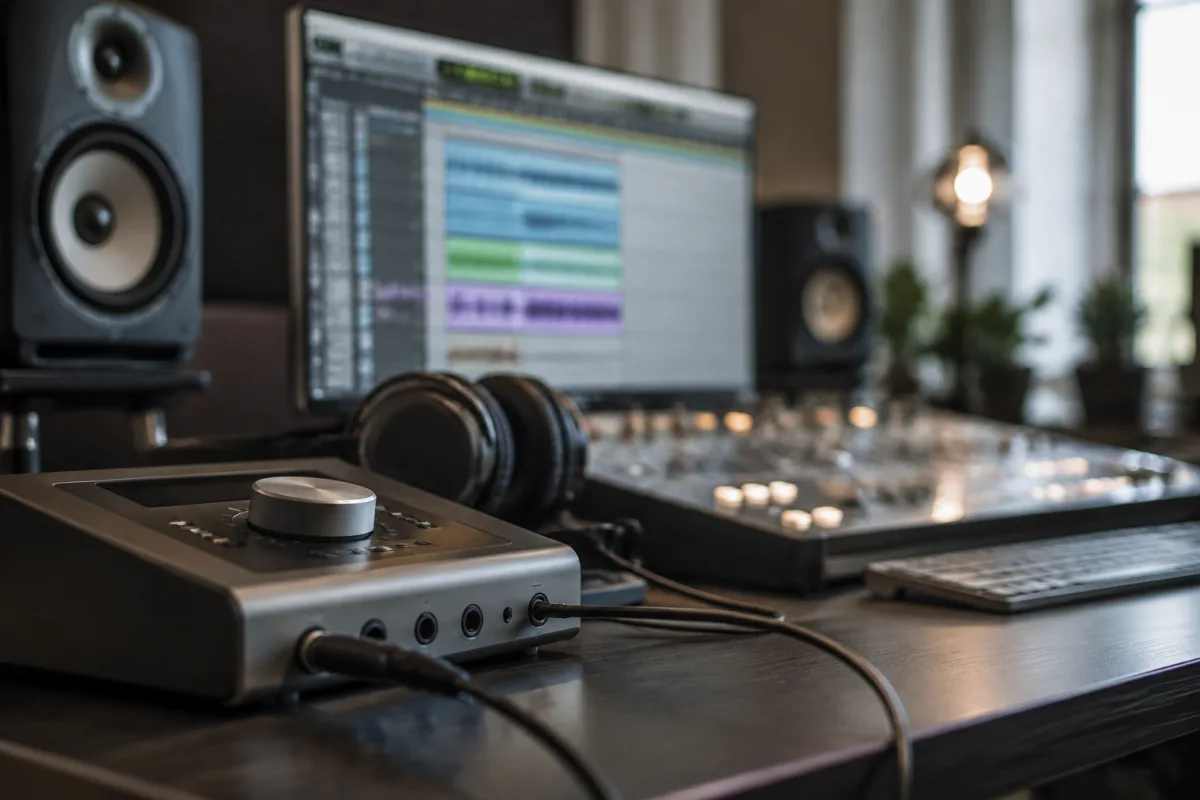
A quality UAD interface combines authentic vintage emulations with real-time processing. Premium audio interfaces combining authentic vintage emulations with real-time processing capabilities enable music producers, mixing engineers and recording professionals to access world-class mastering tools within their digital audio workstations. The UAD interface represents this technology, transforming recording experiences by offering sonic possibilities previously available only in expensive professional studios.
Understanding the Technology
This system revolves around Unison technology, which integrates hardware modelling with digital plugin processing. Modern implementations enable real-time use of complex algorithms that would otherwise require offline rendering or disable your host DAW. This technological achievement revolutionised home recording by democratising professional-quality processing previously reserved for elite studios.
Rather than competing with traditional audio interfaces, a UAD interface, these units supplement your existing setup with specialised processing capabilities. The relationship between your hardware and your DAW fundamentally changes when processing power shifts to dedicated processors.
Core Hardware Components
Options range from compact USB models to sophisticated Thunderbolt solutions accommodating professional studio requirements. Entry-level versions provide essential I/O and limited processing. Professional models integrate DSP processors enabling simultaneous instances of multiple plugins without latency compromise.
Connectivity matters significantly. USB interfaces suit home studios and portable setups. Thunderbolt models offer bandwidth advantage for professionals running complex sessions with multiple plugin chains. Each configuration targets specific user needs and budget constraints.
Plugin Library and Processing Power
The true value emerges through its vast plugin library. Vintage compressors, EQs and reverbs deliver authentic emulations of legendary studio equipment. Neve, Studer and Universal Audio develop these tools, ensuring accuracy and sonic character matching originals.
Processing headroom determines how many plugins you can simultaneously run. Professional models handle complex mixing scenarios; entry-level units require selective plugin use. Understanding your system's DSP capacity prevents performance bottlenecks during critical sessions.
Real-Time Monitoring Capabilities
One revolutionary aspect involves monitoring with effects applied. Rather than rendering reverb or compression offline, you hear the processed signal immediately. This capability transforms tracking sessions by enabling performances captured with authentic vintage processing without adding latency issues.
The latency management of these systems impacts workflow significantly. Lower latency enables responsive monitoring; excessive delay interferes with natural performances. Professional models manage this balance effectively through careful engineering.
Integration with DAWs
A UAD interface works seamlessly with all major DAWs including Pro Tools, Logic, Ableton Live and Cubase. Plugin compatibility spans platforms, though some exceptional emulations remain exclusive to this manufacturer. The integration level determines how transparently your hardware functions within established workflows.
Hybrid mixing—using both native DAW plugins and dedicated hardware processing—combines flexibility with processing power. Many professionals construct mixing chains leveraging both technologies strategically for optimal results.
Mastering Capabilities
Your UAD interface choice determines whether professional studios investing in expensive mastering equipment—precisely what this technology emulates. Pultec-style EQs, vintage compressors and high-end reverbs enable serious mastering work on any budget. Whilst emulations cannot replace professional rooms, they provide genuinely professional-quality processing.
Metering and analysis tools integrated into many models support objective mixing and mastering decisions. Spectrum analysers, phase correlation meters and loudness metres provide essential information for professional results.
Compatibility and Investment Protection
The manufacturer's long-term support and regular plugin updates protect your investment. Older model interfaces remain fully functional as new plugins release. This commitment to backward compatibility distinguishes this ecosystem from competitors offering limited upgrade paths.
Plugin licensing through iLok provides flexible usage options. Your hardware grants access to included software; purchasing additional plugins expands capabilities indefinitely over time.
Price and Value Proposition
Options range from approximately £500 to £4,000+ depending on connectivity, I/O count and included plugins. Entry-level models offer accessible entry into the ecosystem. Professional versions represent significant investment justified by processing power and included software value.
Comparing true value requires calculating plugin costs. A professionally priced authentic Neve 1073 plugin costs hundreds; quality hardware bundles multiple genuine-quality emulations. This software value often exceeds interface hardware cost.
Creative Possibilities
Beyond technical advantages, these systems enable creative experimentation previously impossible in home studios. Layering multiple classic processors inspires new mixing techniques. The technology invites sonic exploration that defines modern production aesthetics and professional results.
Ultimately, your equipment becomes an extension of your creative identity. The authentic vintage tone colouration influences all music you produce, establishing signature characteristics and professional results recognised throughout the industry.


Comments