
Type of Drum article
The Complete Guide to Type Of Drum
Different drum types span cultures and centuries, from orchestral timpani to world music traditions. Understanding their construction, technique, and cultural context enriches musical appreciation.
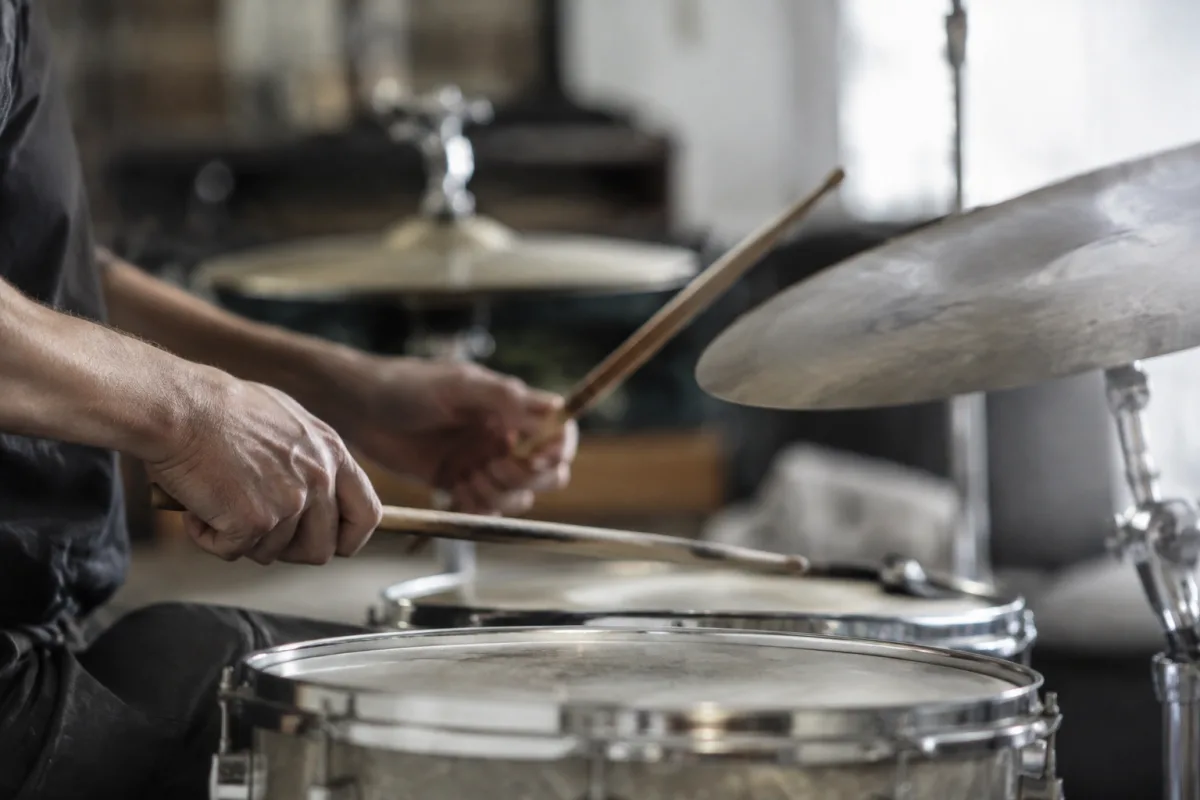
Drums represent one of humanity's oldest and most diverse instruments, with hundreds of distinct types developed across cultures and centuries. Understanding different drum types—their construction, sonic character, and cultural context—enriches musical appreciation and opens pathways into diverse musical traditions.
Fundamental Drum Principles
All drums share a basic principle: striking a membrane stretched over a resonating chamber creates sound. The membrane vibration, modulated by chamber size and shape, produces distinctive pitches and timbres. Variations in construction materials, membrane thickness, chamber design, and striking method generate the vast diversity of drum types found worldwide.
Drum classification traditionally separates instruments by pitch (definite versus indefinite), cultural origin, playing method, and construction materials. This multifaceted classification reveals how diverse yet fundamentally connected different drum types actually are.
Western Percussion Drums
Modern Western drumming uses several primary drum types:
- Snare Drums: Shallow cylindrical drums with wires (snares) stretched across the bottom head. The snares vibrate against the lower head when the drum is struck, creating crisp, cutting attacks ideal for rhythmic definition.
- Bass Drums: Large, deep drums producing low frequencies. Concert bass drums provide precise pitch and dynamic control; kick drums in drum kits generate the rhythmic foundation for rock, pop, and many contemporary genres.
- Tom-Toms: Mid-sized cylindrical drums without snares, typically tuned higher than kick drums but lower than snare drums. Toms provide tonal variety within drum kit configurations.
- timpani: Kettle-shaped drums with definite pitch, fundamental to orchestral and classical music. Each timpani produces a specific note; multiple timpani allow melodic passages.
Percussion Drums Beyond the Kit
Orchestras and world music ensembles employ numerous additional drum types. Hand drums—tambourines, frame drums, and bodhráns—produce sound through hand striking rather than sticks. These intimate instruments demand close listening and careful listening to hand technique. Concert bass drums, gong drums, and steel drums each contribute distinctive sonic characters to modern ensembles.
Orchestral percussion sections maintain collections of dozens of drum types, each contributing specific sonic possibilities to compositional palettes.
World Music Drum Types
Non-Western cultures have developed extraordinary drum diversity. African drums—talking drums, djembes, and dunduns—feature in rhythmic traditions spanning centuries. Latin American drums—congas, bongos, and timbales—drive salsa, rumba, and contemporary music. Middle Eastern drums—darbuka, bendir, and frame drums—define regional musical identities. Asian drums—taiko, tabla, and gamelan drums—anchor sophisticated musical traditions combining rhythm, melody, and ceremonial significance.
Each drum type embodies cultural musical principles. Tabla pairs use complex mathematical rhythmic systems; taiko emphasises physical power and group coordination; djembes contribute to African polyrhythmic traditions.
Snare Drum Characteristics
Snare drums deserve particular attention for their central role in Western music. The drum's shallow depth and tight tuning produces a sharp attack and rapid decay. Snare wire adjustment dramatically affects tone—tight snares produce crisp articulation; loose snares produce busier, more complex textures. Steel shells ring brightly; wooden shells resonate warmly.
Snare drum technique—rudimental drumming patterns, jazz grip versus matched grip, brush playing—encompasses centuries of developed technique and unlimited aesthetic possibilities.
Bass Drum and Kick Drum Function
Bass drums and kick drums provide rhythmic foundation in most ensemble settings. Concert bass drums in orchestral contexts create dramatic emotional impacts; kick drums in drum kits establish tempo and groove. The fundamental pitch—determined by drum size and tuning—anchors harmonic and rhythmic frameworks.
Bass drum playing technique ranges from classical brush strokes through contemporary electronic trigger hybrid approaches, each generating distinct sonic characters.
Timpani and Pitched Drums
Timpani represent the only fully pitched drum type in Western orchestral music. The composer writes specific pitches; the timpanist tunes each drum to those pitches using foot pedals. This capability allows timpani to function melodically, not merely rhythmically. Grand tympani arrangements rival string sections for emotional resonance and dramatic impact.
Timpani technique demands precision, musicality, and genuine stick control. The beaters themselves—varying in hardness and material—dramatically affect tone.
Hand Drums and Frame Drums
Hand drums bypass traditional sticks, employing hands, fingers, and palms for striking and articulation. Frame drums—tambourines, bodhráns, and panderos—are flat, circular drums with membranes stretched across wooden frames. Hand drum technique emphasises subtle dynamic control, complex finger patterns, and intimate connection between performer and instrument.
These drum types feature prominently in world music, folk traditions, and contemporary acoustic arrangements, offering alternatives to kit drumming's formal structure.
Electronic and Hybrid Drums
Electronic drums and triggered acoustic drums blur traditional boundaries. Electronic trigger technology allows acoustic drums to trigger synthetic sounds; pure electronic drum pads generate entirely digital sounds. Hybrid approaches combining acoustic resonance with electronic enhancement create contemporary soundscapes impossible with traditional construction alone.
Modern production often blends acoustic and electronic drums, creating textural depth and dynamic flexibility.
Cultural and Ceremonial Significance
Many drum types carry ceremonial or cultural weight beyond their musical function. Talking drums communicate across distances through tone modulation. Japanese taiko performances merge athletics, spirituality, and percussion virtuosity. African drumming circles serve social, spiritual, and educational functions. This cultural embeddedness means understanding specific drum types requires cultural sensitivity and respect.
Playing Technique Diversity
Different drum types demand distinct technical approaches. Timpani require precise stick control and foot pedal coordination. Tabla demands complex hand techniques producing diverse tones from single instruments. Djembes require hand technique understanding tone variations and musical nuance. Each tradition develops sophisticated pedagogies teaching proper technique and musical understanding.
Conclusion
Different drum types demonstrate humanity's creative engagement with percussion principles across cultures and centuries. Whether exploring orchestral timpani, world music traditions, or contemporary drum kit configurations, understanding distinct drum types enriches musical perception and opens appreciation for diverse sonic possibilities. Each drum type embodies particular cultural values, technical traditions, and aesthetic principles worthy of respectful exploration.


Comments