
Synthesizer Keyboards article
The Complete Guide to Synthesizer Keyboards
Synthesizer keyboards generate sound through oscillators and filters, offering unlimited creative possibilities. From subtractive to wavetable synthesis, these instruments define modern music.
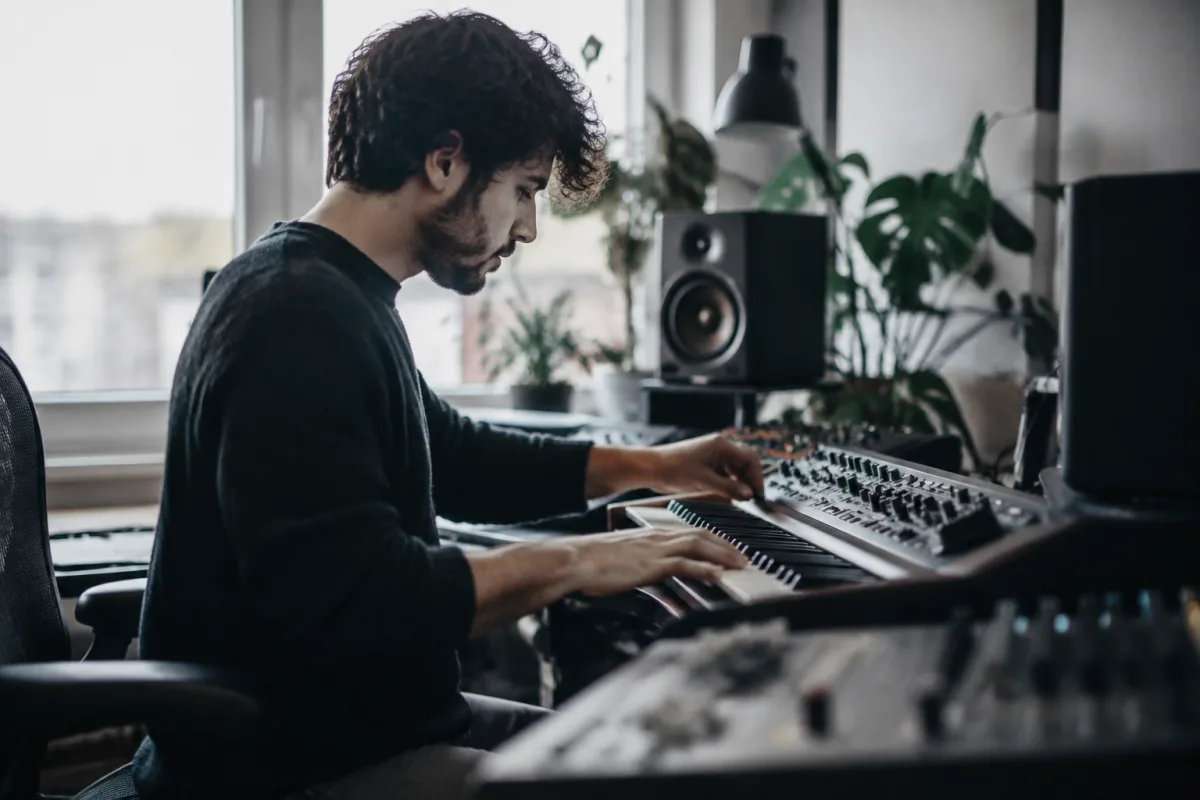
Synthesizer keyboards have revolutionised modern music production, enabling musicians to create entirely new sounds whilst maintaining the familiar interface of a traditional keyboard. Whether you're crafting cinematic soundscapes, producing electronic dance music or adding lush textures to conventional arrangements, synthesizer keyboards offer unlimited creative possibilities. Understanding how these instruments work and what features matter helps you select a synthesizer keyboard that matches your artistic vision.
What Are Synthesizer Keyboards?
Synthesizer keyboards are instruments that generate sound through oscillators, filters and envelopes rather than samples or acoustic resonance. A synthesizer keyboard lets you sculpt sound waves from scratch, controlling every element from frequency content and harmonic richness to dynamic evolution and spatial effect. The keyboard interface provides familiar note entry and velocity sensitivity, whilst the synthesiser engine underneath grants control over sonic character impossible with acoustic instruments or sample-based systems.
Modern synthesizer keyboards range from budget-friendly entry-level options to professionally-engineered instruments costing thousands. Each synthesizer keyboard type offers different workflow philosophies and sonic possibilities, catering to various musical styles and production approaches.
Types of Synthesizer Keyboards
Subtractive Synthesizers
Subtractive synthesis remains the most common synthesizer keyboard architecture. A subtractive synthesizer keyboard starts with harmonically rich oscillators generating raw waveforms (sawtooth, square, triangle). You then use filters to remove frequencies, shaping timbre through the synthesis process. Attack, decay, sustain and release (ADSR) envelopes on your synthesizer keyboard control how sound evolves over time. Subtractive synthesizer keyboards suit everything from deep bass synthesis to shimmering pads.
FM Synthesis Keyboards
FM (frequency modulation) synthesizer keyboards use one oscillator to modulate another's frequency, creating complex timbres from relatively simple architecture. FM synthesizer keyboards excel at creating bell tones, metallic percussion and otherworldly textures. These synthesizer keyboards demand patience to master but reward exploratory musicians with unique sonic possibilities.
Additive Synthesizer Keyboards
Additive synthesizer keyboards build timbres by combining multiple sine wave oscillators at different frequencies and amplitudes — essentially reversing subtractive synthesis. Additive synthesizer keyboards work brilliantly for recreating acoustic instrument timbres and creating complex evolving soundscapes.
Wavetable Synthesizer Keyboards
Wavetable synthesizer keyboards continuously morph between waveforms stored in ROM or loaded from files. Morphing through wavetables on your synthesizer keyboard produces movement and motion in otherwise static sounds. Modern wavetable synthesizer keyboards offer virtually unlimited sonic possibilities through interpolation between thousands of waveforms.
Sample-Based Synthesizer Keyboards
Sample-based synthesizer keyboards layer recorded audio samples and apply synthesiser-style filters, envelopes and modulation. These synthesizer keyboards combine the sonic authenticity of sampled instruments with the creative control of synthesis. Many contemporary synthesizer keyboards blend sampling with synthesis, offering hybrid approaches that leverage both techniques.
Essential Synthesizer Keyboard Features
Oscillators
The number and quality of oscillators on your synthesizer keyboard determine tonal complexity and density. A synthesizer keyboard with multiple oscillators produces richer, more complex sounds. Professional-grade synthesizer keyboards often feature three or more oscillators per voice, enabling lush, textured timbres.
Filters
Filters are where synthesizer keyboard character emerges. The filter type (low-pass, high-pass, band-pass) and resonance control determine how harshly or gently the synthesizer keyboard removes frequencies. A resonant filter on a synthesizer keyboard adds brightness and movement; gentler filtering produces smooth, mellow tones.
Envelopes and Modulation
Envelope generators on your synthesizer keyboard shape how sound evolves. Beyond simple ADSR, sophisticated synthesizer keyboards include multiple envelope types, LFOs (low-frequency oscillators) and modulation routing capabilities that enable complex, evolving soundscapes. The depth of modulation options separates basic synthesizer keyboards from instruments offering unlimited creative control.
Polyphony
Polyphony determines how many notes your synthesizer keyboard plays simultaneously. Entry-level synthesizer keyboards often limit polyphony to four or eight voices; professional-grade synthesizer keyboards support 64+ simultaneous voices, essential for dense pad work and layered textures.
Keyboard Action
Some synthesizer keyboards feature weighted action mimicking acoustic piano feel; others employ unweighted, spring-loaded keys optimised for synthesiser technique. A synthesizer keyboard's action matters tremendously for how musical and responsive it feels during extended playing sessions.
Synthesizer Keyboards for Different Musical Styles
Electronic Dance Music
Dance music producers favour synthesizer keyboards with powerful bass synthesis, intuitive filter controls and real-time modulation capabilities. A synthesizer keyboard excelling at thick, moving basses and ethereal supersaw leads becomes a signature tool.
Film Scoring and Sound Design
Composers seek synthesizer keyboards offering vast sonic territory and capable of creating textural pads, atmospheric drones and rhythmic elements. Wavetable and additive synthesizer keyboards shine in cinematic applications where sonic novelty and expressiveness are paramount.
Ambient and Experimental Music
Ambient producers gravitate toward synthesizer keyboards enabling deep parameter exploration and evolving soundscapes. Synthesizer keyboards with extensive modulation options and high polyphony create the shimmering, layered textures defining ambient music.
Hybrid Acoustic/Electronic Ensembles
Bandleaders incorporating synthesizer keyboards into acoustic arrangements prioritise instruments offering warm pads and expressive controls rather than aggressive sound design. A synthesizer keyboard blending seamlessly with acoustic instruments requires tonal sweetness and responsive velocity tracking.
Choosing Your First Synthesizer Keyboard
Beginners should start with synthesizer keyboards emphasising immediate playability and satisfying sound. Avoid excessively deep synthesizer keyboards overwhelming you with options; prioritise instruments where enthusiastic playing quickly yields rewarding results. Budget synthesizer keyboards (£200–500) offer genuine sound-design capabilities at manageable prices. Mid-range synthesizer keyboards (£500–1500) add polyphony, superior sound quality and deeper editing. Professional synthesizer keyboards exceed £1500, featuring pristine audio quality, intuitive interfaces and unlimited creative possibilities.
Test synthesizer keyboards hands-on whenever possible. Create sounds you enjoy; evaluate the learning curve and interface logic. The best synthesizer keyboard inspires experimentation — you'll know immediately when an instrument clicks with your artistic vision.
The Bottom Line
Synthesizer keyboards remain the primary tools for sound designers, electronic musicians and contemporary composers. Whether seeking classic subtractive warmth, cutting-edge wavetable exploration or hybrid acoustic-electronic fusion, a quality synthesizer keyboard unlocks creative possibilities limited only by imagination. Choose a synthesizer keyboard matched to your musical goals, embrace the learning process, and watch your sonic palette expand exponentially.


Comments