


Roland Synthesizer for Guitar Buying guide
Roland Synthesizer For Guitar: A Complete Buyer's Guide
Know what to look for when buying a Roland synthesizer for guitar. Understand tracking technology, price tiers, and critical specifications for your needs.
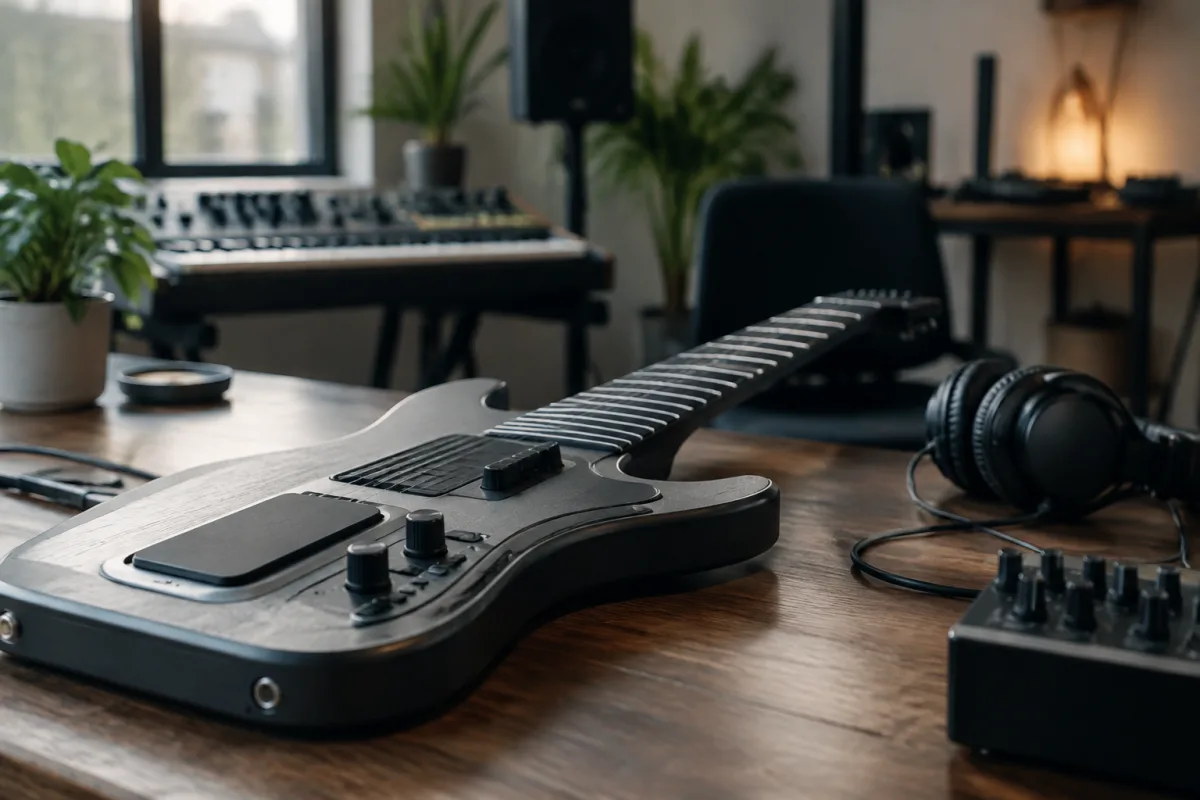
A Roland synthesizer for guitar is a specialised instrument that transforms your guitar into a synthesiser. If you're considering purchasing one, you need to understand what distinguishes quality options from disappointing purchases. The Roland synthesizer for guitar market spans from budget novelties to professional instruments, and knowing which specifications matter prevents expensive regrets.
Core Technology in Roland Synthesizer for Guitar Systems
Before comparing specific Roland synthesizer for guitar models, understand what makes them work. A Roland synthesizer for guitar requires two components: a guitar controller (usually with special pickups or hexaphonic output) and a synthesiser module that interprets guitar signals and converts them to synthesis.
Hexaphonic tracking: Professional Roland synthesizer for guitar systems use hexaphonic technology—separate pickups for each string that send individual tracking data. Budget Roland synthesizer for guitar systems use single-coil pickups and monophonic tracking. Hexaphonic tracking enables polyphony and complex synthesis; monophonic tracking limits you to single-note synth lines.
Tracking speed and accuracy: The critical specification for any Roland synthesizer for guitar is how quickly it responds to your playing and how accurately it tracks pitch. Slow tracking creates noticeable lag between playing and synthesis output. Poor accuracy causes pitch bend issues. Professional Roland synthesizer for guitar systems track nearly instantaneously with accuracy within a few cents. Budget options suffer lag and pitch errors.
Sound engine depth: Can your Roland synthesizer for guitar offer basic synthesis (simple waveforms and envelopes) or full subtractive synthesis with multiple oscillators and complex modulation? Entry-level Roland synthesizer for guitar systems include preset sounds with limited customisation. Professional models offer extensive synthesis capability.
Price Tiers for Roland Synthesizer for Guitar Systems
Understanding what you get at each price level prevents mismatch between expectations and reality.
Budget tier (£300-500): A budget Roland synthesizer for guitar typically includes monophonic tracking and preset sounds. Lag is noticeable. Tracking accuracy is marginal. A Roland synthesizer for guitar at this price is adequate for exploring the concept, but limitations become frustrating quickly with regular use.
Mid-range tier (£600-1200): Mid-range Roland synthesizer for guitar systems offer hexaphonic tracking, faster response, and deeper sound engine customisation. Lag is minimal. A Roland synthesizer for guitar at this level supports polyphonic playing and serious musical application. Professional musicians often start here and find the investment justified.
Professional tier (£1500+): Premium Roland synthesizer for guitar models offer maximum flexibility, premium build, and extensive synthesis options. These represent the standard in professional setups but command premium pricing. Justify this tier through professional use or highly specific requirements.
Key Specifications to Evaluate
When comparing Roland synthesizer for guitar options, focus on these technical details.
Number of voices (polyphony): Can the Roland synthesizer for guitar play multiple notes simultaneously from one string, or only one note at a time? Monophonic (single-note) limitations are severe. Polyphonic Roland synthesizer for guitar systems (8+ voices minimum) enable chords and complex textures. Check this spec explicitly.
Output routing: Does your Roland synthesizer for guitar output to standard guitar amps, require specific monitors, or include integral amplification? Compatibility with your existing rig matters enormously. A Roland synthesizer for guitar with unusual output requirements might be impractical for your setup.
Controller ergonomics: Does the Roland synthesizer for guitar controller feel comfortable? Can you reach synthesis controls while playing? Is the weight balanced? Spend time with the Roland synthesizer for guitar controller before committing. Poor ergonomics ruin playability.
Pitch bend and expression control: Does your Roland synthesizer for guitar support expression pedals, pitch bend control, and real-time parameter modification? Limited control options make the Roland synthesizer for guitar significantly less expressive.
Preset storage and recall: Can the Roland synthesizer for guitar store custom patches? How many? How reliably? Gig-ready Roland synthesizer for guitar systems recall presets instantly without lag.
Common Pitfalls When Buying Roland Synthesizer for Guitar
Pitfall #1: Underestimating Tracking Lag
On a Roland synthesizer for guitar, lag (delay between playing and sound output) destroys playability. Even 50ms lag feels unresponsive. Budget Roland synthesizer for guitar models often exhibit noticeable lag. Test specifically for this before purchasing. Professional models minimise lag to imperceptible levels.
Pitfall #2: Assuming Monophonic Roland Synthesizer for Guitar Is Adequate
Initial appeal of a cheap Roland synthesizer for guitar fades quickly when you realise you can only play single notes. Monophonic Roland synthesizer for guitar severely limits musical possibilities. Budget for at least polyphonic capability if you plan serious use.
Pitfall #3: Not Testing Compatibility with Your Guitar
Not all guitars work equally well with Roland synthesizer for guitar systems. Guitars with active electronics sometimes interfere. Semi-hollow bodies might feedback. Test your specific guitar with the Roland synthesizer for guitar before purchasing. Incompatibility is a genuine issue.
Pitfall #4: Neglecting the Controller Quality
A great Roland synthesizer for guitar synthesiser module paired with a terrible controller ruins the experience. The controller is where your hands spend all the time. Ergonomics and build quality matter as much as the synthesiser engine itself.
Pitfall #5: Overlooking Pitch Accuracy Issues
Budget Roland synthesizer for guitar systems sometimes struggle with accurate pitch tracking, especially on fast passages or dense playing. Test the Roland synthesizer for guitar with playing styles you actually use. Pitch bend errors are intolerable in performance.
Pitfall #6: Buying Without Considering Your Actual Use
A professional-grade Roland synthesizer for guitar makes no sense if you only want to practise at home. Conversely, a cheap Roland synthesizer for guitar fails in performance contexts. Match your purchase to your actual needs, not fantasy use cases.
New vs. Used Roland Synthesizer for Guitar
Older Roland synthesizer for guitar systems (even models from 10+ years ago) often remain quite functional. The used market offers value, particularly for professional models that have been cared for. However, inspect thoroughly before committing to a used Roland synthesizer for guitar. Test tracking accuracy and response speed—these don't improve with age.
For budget models, new purchase often makes more sense than used. Cheaper systems depreciate rapidly and might be near end-of-life. For professional Roland synthesizer for guitar systems, used represents genuine value if mechanics and electronics check out.
Integration with Your Existing Setup
Consider how the Roland synthesizer for guitar integrates with your amp and effects chain. Can it run through your existing guitar rig, or do you need separate monitoring? Does it work with your current expression pedals and controllers? A Roland synthesizer for guitar that requires entirely separate setup is inconvenient.
Test the Roland synthesizer for guitar through your actual equipment before purchase if possible. Compatibility issues reveal themselves only in real conditions.
Learning Curve and Support
Complex Roland synthesizer for guitar systems have steep learning curves. If you're new to synthesis, budget-friendly systems might actually serve you better initially. As you develop knowledge, upgrading to a more powerful Roland synthesizer for guitar makes more sense.
Consider available documentation and user community. Well-established Roland synthesizer for guitar systems have extensive manuals and online support. Obscure models might leave you struggling with basic operations.
Final Purchasing Checklist for Roland Synthesizer for Guitar
- Verify hexaphonic (not monophonic) tracking for serious use
- Test tracking lag with your actual playing style—aim for imperceptible response
- Confirm pitch accuracy doesn't waver on fast passages
- Test with your specific guitar in person before committing
- Verify polyphonic capability if you intend chord-based playing
- Assess controller ergonomics and weight balance
- Confirm compatibility with your amp and effects chain
- Test expression pedal and control responsiveness
- Review patch recall reliability and storage capacity
- Check documentation quality and user community size
For more comprehensive technical information about Roland synthesizer for guitar specifications, detailed model comparisons, and advanced synthesis techniques specific to guitar controllers, the complete guide to Roland synthesizers for guitar covers everything in depth. Use this buying framework to evaluate options systematically.


Comments