


Pad Controller article
Everything You Need to Know About Hori Pad Switch Controller
Pad controllers enable expressive beat-making and performance-based music production. Discover how to choose the right model for your creative style.
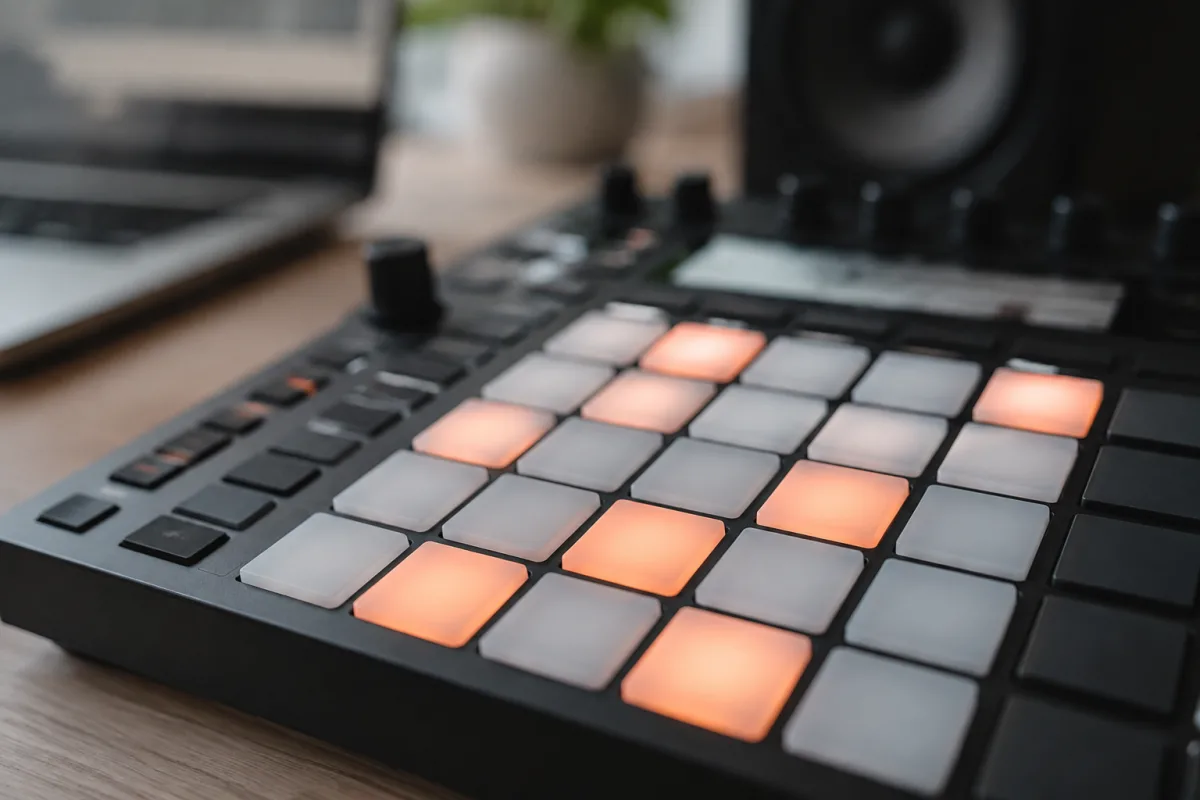
A pad controller represents one of modern music production's most liberating innovations — allowing producers and musicians to create beats, launch samples and control synthesisers through finger drumming and direct pad manipulation. These instruments transform beat-making from mouse-clicking into tactile, expressive performance. Whether you're producing electronic music, hip-hop, or live performance triggering, understanding pad controller capabilities and choosing the right model dramatically enhances your creative workflow.
What Is a Pad Controller?
A pad controller is an instrument featuring grid-arranged, velocity-sensitive pads that send MIDI data to your computer or synthesiser. Each pad can trigger drums, samples, synthesiser notes or countless other musical elements depending on your software configuration. The velocity sensitivity means striking harder produces louder sounds, enabling expressive, dynamic control impossible with traditional clicking.
Pad controllers distinguish themselves from keyboard controllers through their emphasis on pad-based workflows rather than traditional keyboard playing. They excel for beat-making, finger drumming, live performance and any production approach that benefits from direct, tactile control.
Pad Grid Configurations
Most pad controllers feature square grid layouts offering different pad counts:
| Grid Size | Total Pads | Best For |
|---|---|---|
| 4x4 | 16 pads | Compact portability, simple beats, clip launching |
| 4x8 | 32 pads | Balanced capability and portability, professional use |
| 8x8 | 64 pads | Maximum capability, complex arrangements, live performance |
Larger grids provide more creative possibilities but consume more space and complexity. Smaller grids remain portable and intuitive whilst still providing substantial capability. Most professionals balance these considerations with 4x8 configurations.
Velocity Sensitivity and Expressive Control
Quality pad controllers employ sensitive velocity sensors that respond to strike force and speed. Striking firmly produces louder notes; soft touches produce subtle sounds. This expressive control enables performing beats in real-time rather than programming them rigidly into a sequencer.
Advanced models offer polyphonic aftertouch, where pressing a pad harder after the initial strike produces modulation, vibrato or other dynamic effects. This adds an additional expressiveness layer, allowing mid-note sound manipulation similar to guitar bending or vocal vibrato.
Pad Controller Brands and Models
Leading pad controller manufacturers each emphasise different strengths:
Akai MPC Series
The MPC (Music Production Center) pioneered pad-based beat-making and remains the gold standard. MPCs feature responsive pads, intuitive software integration and legendary status in hip-hop production. Modern MPCs offer integration with DAWs whilst maintaining their distinctive character.
Native Instruments Maschine Series
Deeply integrated with Native Instruments software ecosystem, Maschine combines pads with impressive production tools. The focused workflow suits beat-making and sample chopping. Compact and portable models suit laptop production.
Novation Launchpad Series
Emphasising Ableton Live integration, Launchpad grids provide illuminated feedback mapping directly to Live clips and controls. The colour-coded lighting creates visual information whilst performing. Excellent for live performance and clip launching.
Keith McMillan Instruments
Premium pad controllers with exceptional build quality and responsive pads. These professional-grade instruments suit players prioritising feel and reliability above features or software integration.
Hybrid Controllers with Keys and Pads
Many modern controllers combine keyboard sections with pad grids, providing flexibility across production approaches. A left-hand keyboard enables melodic input whilst right-hand pads handle rhythm and percussion. These hybrid instruments suit producers working across multiple production styles within single sessions.
Standalone Versus DAW-Integrated Controllers
Some pad controllers function as standalone production instruments (notably the MPC series), featuring built-in sequencers, drum machines and synthesis. Others operate purely as MIDI controllers, requiring DAW software for sound production. Standalone instruments offer independence from computers; DAW controllers offer unlimited sonic possibilities and complex arrangement capabilities.
Software and Workflow Integration
Modern pad controllers typically feature deep integration with popular DAWs. Pre-configured mappings eliminate setup complexity. Illuminated pads provide visual feedback about which clips are playing, which tracks are active and countless workflow details. These integrations transform pad controllers into essential extensions of your production environment.
Beat-Making Workflows and Finger Drumming
Pad controllers enable performance-based beat-making — striking pads in real-time to layer drums and create rhythmic patterns. This approach feels more musical and spontaneous than programming beats into a sequencer. Many hip-hop and electronic producers find finger drumming dramatically more inspiring and creative than traditional sequencer-based approaches.
The tactile, physical nature of pad playing connects your hands, ears and creative instincts in ways that screen-based production cannot match.
Live Performance and Real-Time Control
Pad controllers excel in live performance contexts. Launching clips, triggering effects and manipulating parameters through physical pads enables responsive, engaging performances. The visual and tactile feedback keeps performers engaged rather than staring at computer screens during live sets.
Portability and Build Quality
Modern pad controllers range from compact 16-pad portable devices suitable for backpack transport to large professional instruments requiring dedicated flight cases. Most professional models employ quality materials and thoughtful ergonomic design that withstands intensive use. Build quality directly impacts reliability in demanding live and studio environments.
Learning Curve and Accessibility
Pad controllers present an intuitive learning curve for musicians familiar with percussion or drum machines. Grid-based thinking comes naturally to many players. The immediate relationship between striking a pad and hearing sound (with no menu navigation) makes pad controllers accessible to beginners whilst remaining capable enough for professionals.
Conclusion
A quality pad controller transforms music production from screen-bound clicking into tactile, expressive performance. Whether you're creating hip-hop beats, triggering live samples or controlling synthesisers, the right pad controller becomes an essential creative tool that makes producing music feel genuinely fun and inspiring.



Comments