
Names of Drum Sets article
The Complete Guide to Names Of Drum Sets
Understanding the various names of drum sets—from drum kits to electronic e-kits—helps musicians communicate confidently about percussion equipment across different regions and genres.
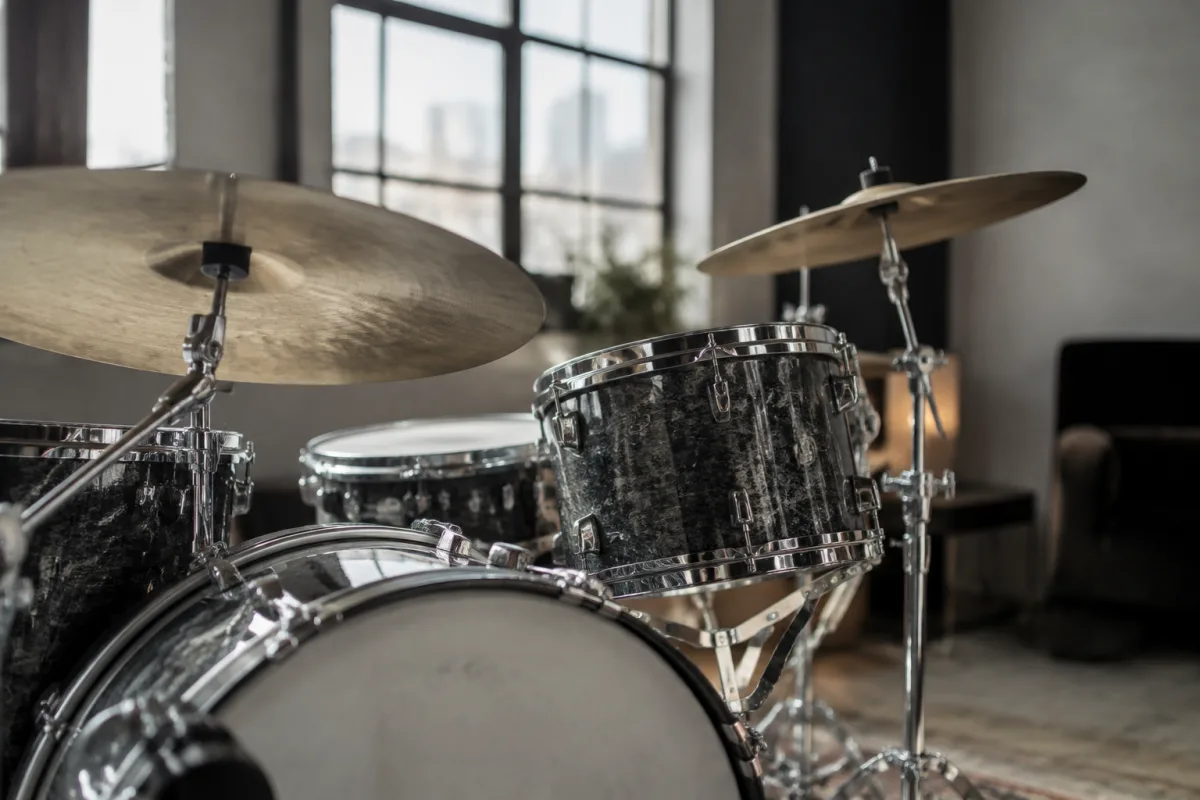
When you're new to drumming or shopping for your first kit, understanding the vocabulary around drum set names and components can feel overwhelming. Whether manufacturers call them "drum kits," "drum sets," or just "drums," the terminology varies across regions and traditions. This guide explores the different names of drum sets, what they mean, and how to navigate the language of the percussion world with confidence.
What Are Drum Sets and Why So Many Names?
A drum set is a collection of percussion instruments arranged for a single player to perform on. The most common and generic term is "drum kit" or "drum set," though you'll encounter regional variations and specialty terminology. In Britain and much of Europe, "drum kit" is the preferred phrase, whilst North America often uses "drum set." The variation in names of drum sets stems from historical evolution, manufacturing conventions, and the instrument's role across different musical genres.
The modern drum set emerged in the early 20th century when drummers began combining bass drum, snare drum, and various cymbals within arm's reach. Different drum manufacturers and regions adopted their own terminology, and these conventions have persisted. Understanding these names is essential whether you're reading reviews, communicating with other musicians, or shopping online.
Common Names for Drum Sets
Across the music world, drum sets go by several primary names of drum sets. Here are the most widespread:
- Drum Kit — The most common British and international term for a complete setup of drums and cymbals.
- Drum Set — Predominantly used in North America, particularly in the United States and Canada.
- Drum Rig — An informal term emphasising the complete, customised setup, especially among professionals.
- Trap Kit — An older term, derived from "traps" (portable percussion), still used occasionally in jazz and vintage contexts.
- Percussion Set — A more formal, academic term encompassing drums and all percussion instruments used together.
- Electronic Drum Set or E-Kit — Specific names referring to drum sets using digital pads and synthesised sounds rather than acoustic drums.
Regional and Linguistic Variations in Names of Drum Sets
Different countries and languages have their own conventions for referring to drum sets. In German-speaking regions, a drum set is often called a "Schlagzeug" (literally "strike tool"), whilst Spanish-speaking musicians may use "batería" (battery). French drummers typically say "batterie" as well. These linguistic variations reflect how deeply embedded drum sets are in each culture's musical traditions.
Even within English-speaking countries, subtle differences exist. Australian and New Zealand drummers tend to favour "drum kit," whilst some regions show mixed usage depending on whether the speaker's background is more jazz, rock, or classical. Online drum communities have largely standardised on "drum kit" or "drum set" for international clarity, though enthusiasts still use localised terms when speaking amongst themselves.
Specialty Names Based on Configuration
The names of drum sets sometimes change based on their specific setup and configuration. A basic starter kit might be called a "4-piece kit" (comprising bass drum, snare, and two toms), whilst professional setups are often "5-piece," "7-piece," or even larger configurations. These numerical designations don't refer to total drums present; they count the drums only, excluding cymbals.
Jazz drummers may refer to their setup as a "jazz kit," typically smaller and featuring shallower drums for a warmer tone. Rock drummers might use a "power kit," which is typically larger with deeper, more resonant drums. Latin percussionists using drum-like instruments might call their setup a "Latin kit" or "Afro-Cuban kit." Hip-hop producers and electronic musicians often use "beat kits" or "sample kits," though these refer more to collections of sounds than physical drum sets.
Components Within a Drum Set
Understanding names of drum sets also requires knowing their constituent parts. The primary drums in a typical acoustic setup include:
- Bass Drum (Kick Drum) — The largest drum, played with a foot pedal, providing the low end.
- Snare Drum — A medium-sized drum with wires stretched across the bottom head, producing a crisp, cutting sound.
- Tom-Toms — Mid-range drums, usually in two or three sizes (high tom, mid tom, low tom or floor tom).
- Cymbals — Typically including a hi-hat, crash cymbals, and a ride cymbal, each with distinct tonal qualities.
Each of these components has its own nomenclature and variations. A tom-tom is sometimes called just a "tom," whilst a bass drum is frequently called a "kick drum" in modern contexts, particularly in rock and electronic music. Cymbal names derive from their size and function: a "hi-hat" is a pair of cymbals opened and closed with a foot pedal, whilst a "crash" is struck for dramatic effect and a "ride" provides a sustained, shimmering sound.
Drum Set Names in Different Genres
Various musical genres have developed their own conventions for naming drum sets or describing configurations. Jazz drummers traditionally speak of "vintage kits," often referencing iconic manufacturers like Ludwig or Gretsch by name. Rock and metal musicians might describe their setup using terms like "double bass kit" (featuring two bass drums or a double pedal). Latin and World music drummers often use names that reference specific styles, such as "Samba kit" or "Bossa Nova kit."
Contemporary electronic musicians have introduced new names of drum sets altogether. Terms like "pad kit," "sample kit," and "hybrid kit" (combining acoustic and electronic elements) represent the evolving nature of drum technology. A "mesh kit" refers to electronic drum sets with mesh heads that feel more like acoustic drum heads, offering a more realistic playing experience than rubber pads.
Manufacturers and Brand-Specific Naming
Many famous drum manufacturers have influenced how drum sets are named. Ludwig, Gretsch, Pearl, Yamaha, and Sonor are legendary brands whose names are often used interchangeably with "drum set" in professional circles. A "Ludwig kit" specifically refers to drums manufactured by Ludwig, but among musicians, it's shorthand for a particular sound aesthetic and quality level.
Premium drum manufacturers sometimes create proprietary names for their drum sets. These might emphasise particular features, target audiences, or the manufacturer's heritage. Understanding these brand-specific names helps drummers communicate clearly when discussing equipment specifications and sonic qualities. Whether someone says "I play a Pearl Masters Custom" or "I use a Gretsch USA kit," these brand names carry implicit information about the drum set's characteristics.
How to Choose Between Different Names of Drum Sets
When purchasing or discussing drum sets, using clear terminology ensures you're shopping for the right equipment. If you're looking for an acoustic drum set, "drum kit" or "drum set" are universally understood. For electronic options, specifying "electronic drum set" or "e-kit" prevents confusion. If you have a particular configuration in mind, using the piece count ("5-piece," "7-piece") provides specificity.
Online, you'll encounter all these names of drum sets used interchangeably, which is why understanding the variations is valuable. A forum discussion might reference "kits" whilst a shop website uses "sets," yet they're discussing the same products. Learning these naming conventions helps you navigate online communities, read equipment reviews, and communicate effectively with music shop staff.
Conclusion
The varied names of drum sets reflect the instrument's rich history and global reach. From the simple "drum kit" to more specific terms like "electronic drum set," "jazz kit," or "hybrid kit," terminology continues to evolve alongside musical trends and technology. Whether you're a beginner drummer, a seasoned professional, or simply curious about percussion, understanding these different names of drum sets empowers you to communicate confidently in drumming communities and make informed equipment decisions. The beauty of the drum set lies not just in its versatility and sound, but in how it brings together musicians from every corner of the world under a shared vocabulary, even if that vocabulary has many regional and creative variations.



Comments