
Modular Synthesizer Modules article
The Complete Guide to Modular Synthesizer Modules
Modular synthesizer modules offer unlimited sound design possibilities. Explore module types and learn how to build a functioning modular synthesizer system.
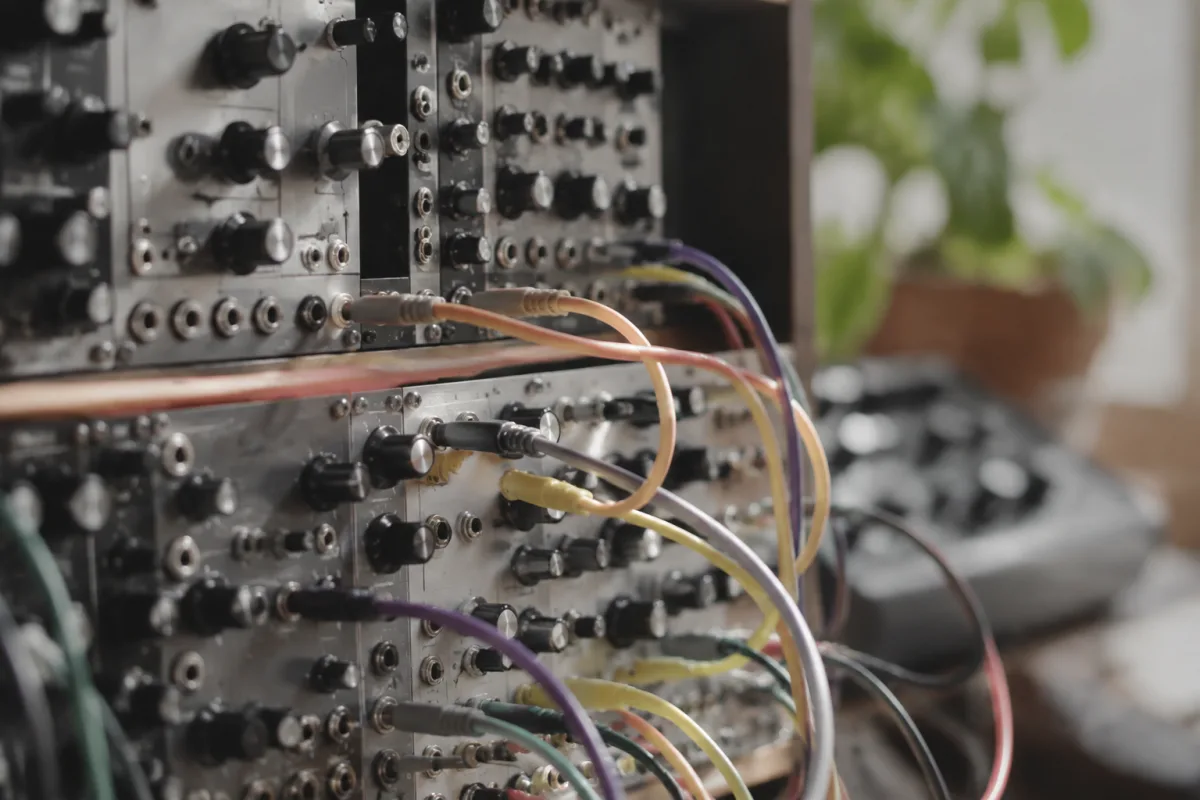
Modular synthesizer modules represent the building blocks of infinite sonic possibilities, enabling musicians and producers to construct custom instruments tailored to their exact creative vision. From voltage-controlled oscillators to complex sequencers, modular synthesizer modules offer unprecedented flexibility and hands-on control over sound generation and manipulation. This comprehensive guide explores modular synthesizer modules, their functions, and how to build a modular system aligned with your musical goals.
Understanding Modular Synthesizer Modules
Modular synthesizer modules operate on the principle of patching—connecting different modules with patch cables to route audio and control voltages through various processing stages. Each modular synthesizer modules performs specific functions within the broader system. Unlike preset-dependent synthesizers, modular synthesizer modules force deliberate sound design decisions, encouraging deep musical exploration and unique sonic creation.
The modular synthesizer concept, pioneered in the 1960s, remains fundamentally unchanged despite technological evolution. Modular synthesizer modules connect via patch cables, allowing audio signals and modulation sources to interact in endless combinations. This hands-on approach appeals to musicians valuing tactile control and sonic experimentation over menu diving and button-pushing.
Essential Categories of Modular Synthesizer Modules
| Module Category | Function | Typical Examples | Essential? |
|---|---|---|---|
| Oscillators (VCO) | Audio signal generation | Saw, square, triangle waves | Yes - core sound source |
| Filters (VCF) | Tone shaping, resonance | Lowpass, highpass, bandpass | Yes - essential character |
| Envelopes (ADSR) | Amplitude and filter modulation | Attack, decay, sustain, release | Yes - dynamics control |
| LFO (Low Frequency Oscillators) | Slow modulation sources | Vibrato, tremolo, wobble | Yes - movement creation |
| Amplifiers (VCA) | Volume control, mixing | Gain control, audio mixing | Yes - signal routing |
| Sequencers | Pattern generation | Step sequencers, drum triggers | Optional - composition aids |
| Effects | Audio processing | Reverb, delay, distortion | Optional - tone enhancement |
| Utility Modules | Signal processing and organisation | Mixers, attenuators, logic | Yes - system management |
Building a functional modular synthesizer requires thoughtful selection of modular synthesizer modules. Essential modular synthesizer modules include oscillators for sound generation, filters for tone shaping, envelopes for dynamic control, and amplifiers for volume management. Additional modular synthesizer modules expand possibilities but aren't required for basic sound creation.
Oscillator Modular Synthesizer Modules
Voltage-controlled oscillators (VCO) represent the foundation of modular synthesizer modules, generating the raw waveforms processed by other modular synthesizer modules. Classic modular synthesizer modules like the Moog VCO produce simple yet musical waveforms—sawtooth, square, and triangle—combining to create complex timbres. Modern modular synthesizer modules often include multiple oscillators, supersaw capabilities, and sophisticated waveshaping.
Selecting appropriate oscillator modular synthesizer modules depends on your tonal goals. Vintage-style modular synthesizer modules replicate classic 1970s characteristics, whilst modern digital oscillator modular synthesizer modules offer sample playback and wavetable synthesis. Hybrid approaches using multiple oscillator modular synthesizer modules create rich, detuned harmonic textures.
Filter Modular Synthesizer Modules
Filter modular synthesizer modules shape raw oscillator tones into useful sounds. Voltage-controlled filter (VCF) modular synthesizer modules emphasise or remove frequency ranges, creating the characteristic "filtering" sound central to synthesis. The resonance control on filter modular synthesizer modules adds emphasis to the filter cutoff, creating dramatic sweeps and self-oscillating tones.
Different filter types affect modular synthesizer modules differently. Lowpass filter modular synthesizer modules remain the most popular, removing high frequencies for warm, smooth tones. Highpass filter modular synthesizer modules emphasise brightness. Bandpass filter modular synthesizer modules isolate specific frequency ranges. Multiple filter modular synthesizer modules in series create increasingly complex tonal characteristics.
Envelope and Modulation Modular Synthesizer Modules
ADSR envelope modular synthesizer modules control amplitude and filter cutoff over time, creating dynamic variations in sustained tones. Attack determines how quickly the envelope responds; decay sets how tone settles to sustain level; release controls fade-out speed. Understanding envelope modular synthesizer modules fundamentally transforms your ability to create expressive, musical synthesizer tones.
LFO (Low Frequency Oscillator) modular synthesizer modules provide slow modulation sources creating vibrato, tremolo, and other periodic variations. Multiple LFO modular synthesizer modules enable complex modulation patterns—one controlling filter, another affecting pitch—creating evolving, animated tones impossible with static parameters.
Building Your First Modular Synthesizer System
Starting a modular synthesizer requires selecting appropriate housing and planning modular synthesizer modules expansion carefully. Entry-level modular synthesizer modules bundles typically include essential components—oscillators, filter, envelope, and mixing—providing working instruments for learning. Budget approximately £500-1500 for functional entry-level modular synthesizer systems.
Avoid overwhelming yourself with excessive modular synthesizer modules initially. A focused system of quality modular synthesizer modules encourages deep exploration. Many experienced users recommend mastering fundamentals with modest modular synthesizer modules selections before extensive expansion. Thoughtful planning prevents purchasing redundant or incompatible modular synthesizer modules.
Compatibility and Standards for Modular Synthesizer Modules
Most modern modular synthesizer modules follow Eurorack standards—a width specification ensuring compatibility between different manufacturers' modular synthesizer modules. Eurorack modular synthesizer modules dominate current markets, offering the broadest selection and most affordable options. Vintage Buchla and Moog systems use different standards, limiting modular synthesizer modules compatibility.
Ensure all modular synthesizer modules operate in the same voltage standards—typically ±5V for audio and ±5V or 0-10V for control. Mismatched modular synthesizer modules can be combined with attenuators and converters, but planning voltage compatibility prevents complications. Research modular synthesizer modules before purchasing to verify system compatibility.
Patching Techniques with Modular Synthesizer Modules
Patching modular synthesizer modules demonstrates the system's creative potential. Basic synthesis chains oscillators into filters into amplifiers. Cross-patching—using modulation sources in unexpected ways—creates experimental sounds. Feedback loops between modular synthesizer modules generate complex, evolving tones.
Learning to patch modular synthesizer modules systematically accelerates musical results. Patch one sound completely before adding additional complexity. Understand signal flow—what modular synthesizer modules modulates what, which modulation sources drive which parameters—before patching. Systematic exploration of modular synthesizer modules connections prevents overwhelming confusion.
Expanding Your System
Modular synthesizer modules systems grow over time as musicians discover new sonic interests. Secondary oscillator modular synthesizer modules add harmonic complexity. Additional filter modular synthesizer modules enable parallel processing of multiple oscillators. Sequencer modular synthesizer modules automate parameter changes. Effects modular synthesizer modules extend processing possibilities.
Strategic expansion of modular synthesizer modules maintains system coherence. Adding random modular synthesizer modules creates generative opportunities. Utilities like mixers and attenuators increase system flexibility. Established modular synthesizer modules users often spend years developing their instruments, each addition opening fresh creative avenues.
Conclusion
Modular synthesizer modules represent music technology's most flexible and creative approach to sound design. Whether exploring ambient soundscapes, creating experimental electronic music, or crafting custom instruments, modular synthesizer modules enable unlimited sonic exploration. By understanding fundamental module categories and starting with focused selections, musicians embark on endlessly rewarding synthesis journeys discovering new sounds and creative possibilities.


Comments