


Make Noise Synthesizer article
Make Noise Synthesizer: A Complete Guide
Make Noise synthesizers prioritise hands-on control and musical expressiveness. Discover how modular design and intuitive interfaces inspire creative sound-making.
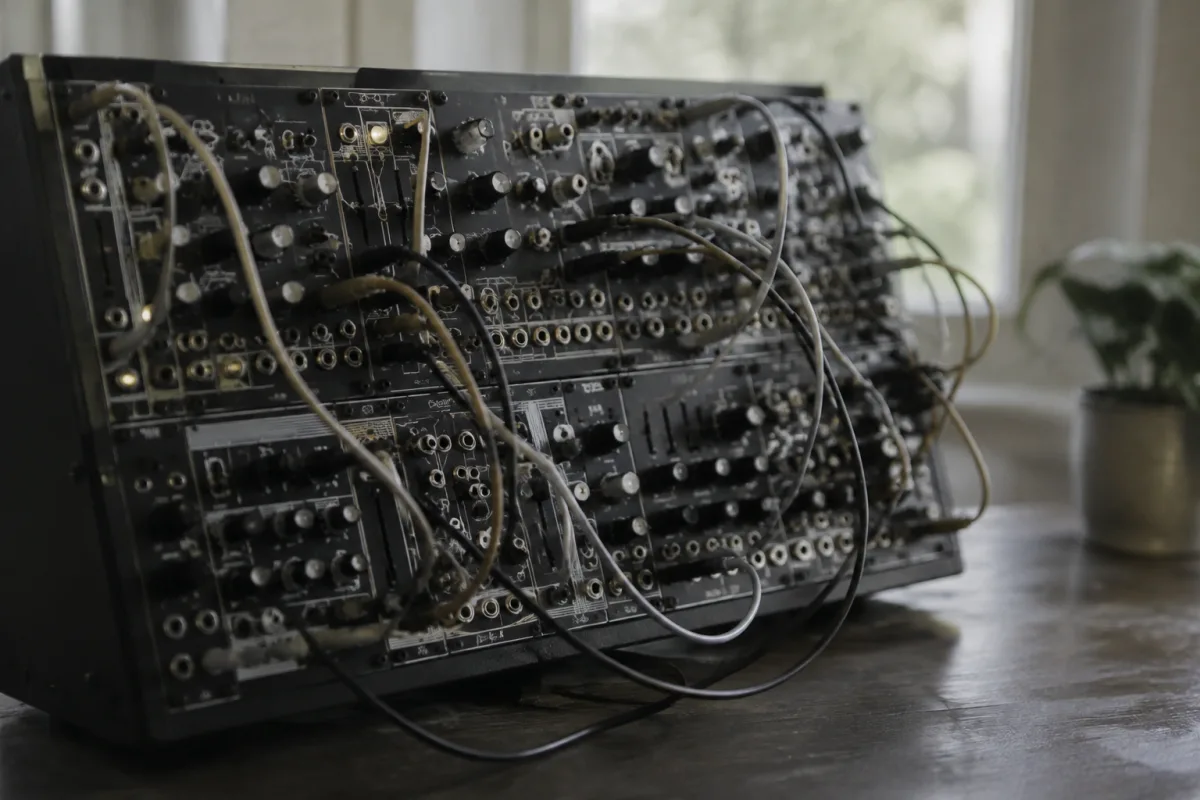
Make Noise represents the pinnacle of hands-on sound design. This brand stands among the most respected designers of modular synthesiser components and standalone instruments, founded on the belief that sound design should be playable, intuitive, and creatively boundless. Whether you're a seasoned modular enthusiast, a beginner entering the synthesiser universe, or an artist seeking unconventional sound-making tools, understanding what these instruments offer and how they work opens doors to extraordinary sonic possibilities.
The Make Noise Philosophy
These synthesizers emerge from distinctive design philosophy that prioritises playability and musicality over feature count. Rather than overwhelming users with menu diving and digital interfaces, these designs emphasise hands-on control, intuitive patch patching, and immediate sonic feedback.
The company's founder, John Modell, believed that great sound design instruments should feel alive under your fingers. This philosophy permeates every product, from compact desktop units to full modular systems. The result is a brand identity focused on creativity, experimentation, and genuine enjoyment of the sound-making process.
Key Products
Make Noise produces several categories of instruments, each serving distinct creative purposes:
- Shared System: Modular synth components designed for deep, exploratory soundscaping. Complex patch routing enables unlimited sonic experimentation.
- Strega: Semi-modular instrument combining keyboard interface with extensive patch points. Perfect for melodic synthesis and textural exploration simultaneously.
- René: Sequencer and controller offering unconventional sequencing possibilities. Musical and generative both, it transforms how musicians approach composition.
- DPO: Classic dual oscillator offering legendary warm, organic tones prized by synthesiser enthusiasts globally.
- Mimeophone: Compact yet powerful desktop instrument combining oscillators, filters, and modulation in intuitive layout.
Understanding Modular Synthesis
Many designs from this maker embrace modular architecture. Unlike traditional synthesisers where signal flow is predetermined, modular systems let you physically patch connections, routing oscillators through filters, modulators through effects, and creating signal chains limited only by imagination.
This flexibility seems daunting initially but rewards experimentation. Patch a modulation source to a filter cutoff, then route that filter's output to an oscillator pitch—suddenly you've created complex, evolving textures impossible with traditional approaches.
Sound Characteristics
Make Noise synthesizers produce distinctly musical, characterful tones. The company prioritises warm, organic sound over clinical accuracy. Oscillators possess inherent richness and complexity even at basic settings. Filters emphasise musicality and responsiveness. Effects create depth and dimension without overwhelming core tone.
Experienced synthesiser designers often describe these instruments as "alive"—they respond dynamically to playing technique, parameter changes create musical results rather than clinical adjustments, and extended exploration consistently yields surprising, beautiful tones.
Accessibility for Beginners
Despite their sophistication, these products often feel more approachable than competitors. The Strega, for instance, offers keyboard interface for straightforward melodic playing, whilst maintaining patch points for deeper exploration. Begin by playing simple melodies, then gradually venture into complex modulation and effects.
The design philosophy emphasises learning through experimentation. Unlike instruments demanding manual study before producing sound, a Make Noise synthesizer rewards immediate exploration. Turn a knob, hear the result, understand the relationship between control and sound.
Creative Applications
These instruments serve diverse musical contexts. In electronic music, they provide unique sonic signatures and expressive control impossible with commercial digital tools. In contemporary classical, they enable complex gestural control and real-time timbre manipulation. In experimental improvisation, their responsiveness creates genuine performance instruments.
Artists using Make Noise synthesizer designs range from academic composers to club DJs to sound designers. The brand's flexibility accommodates wildly different creative approaches.
Integration with Other Gear
Components from this maker integrate seamlessly into existing systems. Patch them alongside other modular components, trigger them via MIDI controllers, or process external audio through their filters and effects. Many musicians build hybrid rigs combining these modules with instruments from other manufacturers.
Learning Resources
Make Noise provides excellent educational resources. Manuals avoid overcomplicated technical language, instead focusing on playable explanations with patch suggestions. Video tutorials demonstrate creative possibilities. The active community shares patches, techniques, and inspiration online.
Conclusion
These synthesizers represent a philosophy that sound design should be joyful, intuitive, and creatively boundless. Whether you're drawn to their distinctive aesthetic, their emphasis on hands-on control, or their reputation for inspiring genuine musicianship, investing in a Make Noise synthesizer rewards exploration and fosters deep engagement with sound-making. Commit to experimentation, and discover why so many serious musicians consider these instruments essential for creative expression.





Comments