


Hybrid Synthesizer article
Hybrid Synthesizer for Beginners: A Complete Guide
Hybrid synthesizers blend analogue warmth with digital flexibility. This beginner's guide explains what hybrid means practically, compares them to pure approaches, and helps you decide if hybrid synthesis is right for your musical needs.
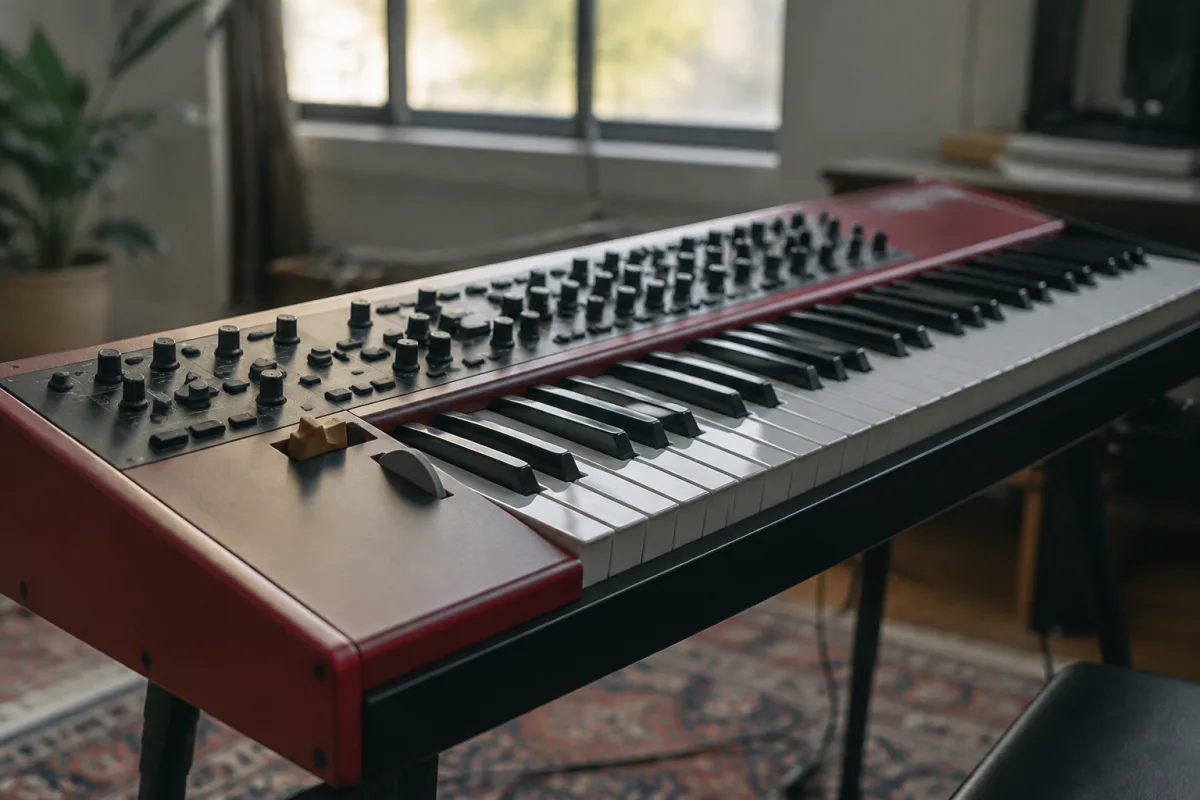
A hybrid synthesizer combines analogue synthesis (warm, organic sound) with digital components (flexibility, effects, sampling). For a beginner exploring synthesis, understanding hybrid instruments helps you make an informed choice between pure analogue, pure digital, and this middle-ground approach. This guide explains what hybrid means practically, which models suit learners, and why hybrid synthesis has become increasingly relevant in modern electronic music production.
What Is a Hybrid Synthesizer?
A hybrid synthesizer uses both analogue and digital circuitry. Typically, the sound generation (oscillators, filters) uses analogue circuitry for warmth, whilst control and effects use digital processors for flexibility and power. Some hybrids use analogue sound with digital sampling. The advantage: you get analogue's organic character without analogue's limitations. The disadvantage: hybrids cost more than either pure approach alone. For a beginner, understanding whether hybrid benefits justify the premium cost requires honest assessment of your actual sonic needs.
Analogue Versus Digital Versus Hybrid: The Core Differences
Pure analogue synthesizers (Moog, ARP) produce warm, organic, slightly unpredictable tone—each unit sounds slightly different due to component variance. They're intuitive to use (twist knob, hear immediate results) but limited by hardware constraints. Pure digital synthesizers (software, some hardware) offer unlimited flexibility, precise control, sampling capability—but can sound sterile without careful design. Hybrid synthesizers aim for analogue warmth with digital flexibility. In practice, quality digital synths sound excellent, and modern hybrids have become increasingly expensive without proportional sonic benefit. For beginners, the distinction matters less than sound character and interface intuitiveness.
Hybrid Synthesizer Models for Beginners
Nord Synthesizers (Nord Lead, Nord Clavia) are respected hybrids combining analogue-style sound with digital control and effects. Elektron synthesizers (Analog Four, Analog Rytm) use hybrid architecture with sequencing built-in. Native Instruments Komplete system mixes hardware and software hybridly. These models sit in the £500–£2,000 range. For true beginners, pure digital (software or budget hardware) offers better value for learning. Hybrids shine for players who've already mastered synthesis basics and want to explore hybrid sonic character.
The Practical Appeal of Hybrid Synthesis
Hybrid instruments often include excellent sequencers and effects—features that pure analogue rarely provides. This makes hybrids genuinely useful for complete music production (not just sound design). If you're composing complete tracks rather than just exploring synthesis, hybrid appeal increases. For sound design exploration, pure synthesizers often suffice.
Sound Character: What Hybrid Actually Delivers
High-quality hybrids sound genuinely warm and organic, not digital. The analogue components (oscillators, filters, amplifiers) contribute to authentic character. Digital control allows precise modulation and parameter access analogue instruments lack. The result is often described as "having analogue warmth with digital precision"—which is genuinely appealing if that sonic direction suits you. However, expect to pay substantial money for this combination, and expect to spend learning time understanding both analogue and digital approaches.
Learning Synthesis on a Hybrid
Hybrid synthesizers teach synthesis principles but with added complexity—you need to understand both analogue and digital sections. Pure analogue instruments (even simple ones) teach clearer fundamentals because fewer options exist. If you're absolutely set on hybrid, invest time in understanding analogue synthesis basics first (through software or simpler hardware), then approach hybrid with existing knowledge.
Comparison to Complete Digital Setup
A laptop with quality synth software (Serum, Omnisphere, Wavetable) plus a MIDI keyboard costs £800–£1,500 total. A hybrid hardware synthesizer costs similar money but offers less flexibility, smaller sound library, and more limited editing. Objectively, digital software offers more capability per pound. Hybrid hardware appeals to players who value tactile interaction and analogue character over digital flexibility. It's a subjective choice, not a rational one.
Common Beginner Misconceptions About Hybrid
First, don't assume hybrid is superior to pure approaches. Each has tradeoffs. Second, don't expect hybrid to make you sound professional if your design skills are beginner-level. Instrument quality matters less than your ability to shape sound intentionally. Third, don't overlook that hybrid complexity can overwhelm beginners. Pure digital or pure analogue (simple models) often teach faster than hybrid. Fourth, don't ignore the price premium hybrids command—ensure the added cost delivers sonic character you'll genuinely use.
Integration with Modern Production Workflow
Most hybrid instruments include MIDI input for DAW control and USB connectivity. This integration is genuinely useful for hybrid instruments, since it allows controlling hardware parameters from software sequencing. However, adequate software alternatives exist for most hybrid use cases. The question remains: what sonic character does this specific hybrid deliver that justifies premium cost?



Comments