


Filter Module Buying guide
Filter Module: A Complete Buyer's Guide
Selecting a filter module determines the character of your synthesizer signal. This guide shows you exactly what to evaluate when choosing a filter module.
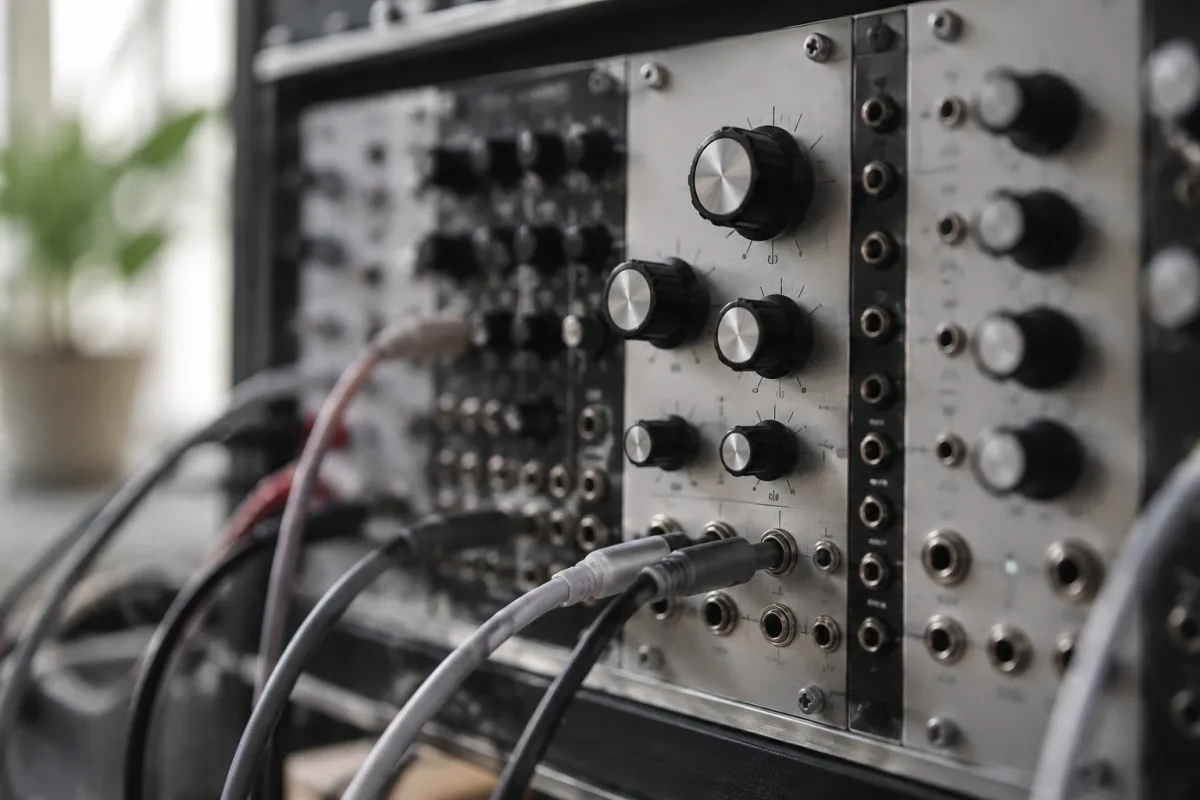
Selecting a filter module isn't simply about buying sound-shaping equipment—it's about investing in the character of your entire synthesizer signal. A filter module transforms raw oscillator output into expressive timbres, and choosing the right filter module determines whether you're stuck with standard sound manipulation or have access to unique sonic possibilities. Whether you're building your first modular synthesizer system or expanding an existing setup, understanding filter module characteristics separates wise purchases from expensive mistakes. This guide cuts through the technical jargon and shows you exactly what matters when comparing filter modules.
Understanding Filter Types and Their Sonic Character
Filter modules aren't interchangeable. Different filter types create fundamentally different sonic characteristics. A low-pass filter attenuates high frequencies, making sounds warmer and duller. A high-pass filter removes low frequencies, creating thinner, brighter tones. Band-pass filters narrow the frequency spectrum dramatically. Notch filters remove specific frequency ranges whilst preserving everything else. Each type serves different musical purposes, and your choice should reflect your intended sounds.
Classic low-pass filters—inspired by legendary synthesizers like the Moog Minimoog—produce warm, smooth sweeps that characterise 1970s synthesizer music. Modern filter modules offer variations: Steiner-Parker filters sound brighter than classic low-pass; ladder filters (modelled after Moog designs) emphasise resonance and character; transistor ladder filters add subtle distortion creating organic warmth.
Don't assume complexity equals superiority. Many musicians prefer classic filter characteristics over modern multi-mode filters offering low-pass, high-pass, and band-pass in one module. A beautifully executed single low-pass filter often makes more inspiring sounds than a mediocre multi-mode offering.
Resonance and Self-Oscillation: The Personality Factor
Resonance amplifies frequencies near the filter cutoff point, creating characteristic peaks and emphasis. High resonance creates dramatic filter sweeps that define synthesizer solos. Low resonance produces subtle tonal shaping barely perceptible to listeners. The character of resonance varies dramatically between filter modules—some resonate smoothly; others add harmonic distortion that colours the sound unpredictably.
Self-oscillation means the filter rings at its cutoff frequency when resonance reaches maximum, producing pure sine tones without requiring external oscillators. This transforms filter modules from passive tone-shaping tools into sound sources. Self-oscillation is essential for users creating pitched resonances; irrelevant to users preferring subtractive filtering.
Check whether resonance control is smooth and musical. Some filter modules have stepped resonance (jumping between discrete values); others feature continuous smooth control. For expressive playing, smooth resonance control matters—stepping during solos sounds awkward and unmusical.
Frequency Modulation Input and Envelope Control
A filter module with no modulation input is fundamentally limited. You need frequency modulation (FM) inputs accepting control voltage (CV) from envelope generators, LFOs, or sequencers. Check whether your target filter module has dedicated FM inputs. Some models feature a single input (combining envelope and LFO), whilst others separate envelope and LFO inputs, allowing simultaneous modulation from multiple sources.
Examine whether FM input has dedicated attenuation control. Some filter modules multiply incoming CV directly; others include attenuverters allowing positive and negative CV control. Attenuverters provide far greater modulation flexibility—you can reverse LFO direction, mix envelope and LFO contributions, or adjust modulation intensity without patching through external mixers.
Do envelope generators come integrated, or must you buy separate envelope modules? Integrated envelopes streamline patch complexity; separate envelopes provide flexibility but add cost and panel space. Your answer depends on whether you're building a minimal starter system (prefer integrated) or a comprehensive modular setup (prefer flexibility).
Integration Standards and Physical Compatibility
Eurorack has become the dominant standard, but other formats exist: 5U, Buchla, and proprietary systems. Before purchasing any filter module, confirm it matches your existing format. Mixing formats requires expensive adapters and sacrifices elegant patching aesthetics.
Check voltage standards. Most modern systems use ±5V or ±10V CV signals. Older systems use ±5V; newer systems increasingly adopt ±10V. Mismatched voltages don't destroy equipment but require attenuation or amplification, complicating patch cabling and introducing signal degradation.
Examine panel depth. Some filter modules extend 50mm behind the panel; others reach 120mm or deeper. Deep modules might collide with power supplies or neighbouring modules. Measure your available depth before purchasing, particularly if installing in compact cases.
Price Tiers and Feature Trade-Offs
| Price Range | Filter Type | Best For | Important Considerations |
|---|---|---|---|
| £40–£100 | Basic single-mode | Starter systems, budget-conscious builders | Limited modulation inputs; basic resonance control; simple envelopes |
| £100–£200 | Enhanced single-mode or basic multi-mode | Intermediate systems, hobbyists | Good resonance character; smooth modulation; reasonable feature set |
| £200–£400 | Multi-mode with sophisticated control | Serious hobbyists, small studios | Multiple filter types; attenuverters; excellent resonance control |
| £400+ | Premium filters, rare designs | Professional studios, collectors | Exceptional sonic character; comprehensive features; unique sonic possibilities |
Common Pitfalls When Choosing Filter Modules
The biggest mistake is prioritising feature quantity over sonic quality. A multi-mode filter module offering low-pass, high-pass, band-pass, and notch modes means nothing if resonance sounds cheap and modulation response feels sluggish. Listen carefully to demo videos capturing actual filter sweeps—not just specifications.
Another error is underestimating the importance of hands-on control interface. Some filter modules offer extensive features but bury them behind tiny knobs and unlabelled buttons. Others prioritise immediacy with large, clearly labelled controls. The interface matters more than specifications—you'll use your filter module hundreds of times yearly, and frustrating interfaces create regret.
Don't assume expensive filter modules necessarily sound better. The Steiner-Parker filter—costing under £100 in clone form—produces sounds as distinctive and inspiring as filters costing three times more. Budget filters sometimes offer better value; premium filters often offer uniqueness rather than objective superiority.
Sonic Character: What You'll Actually Hear
Research how specific filter modules behave in the recordings and videos you enjoy. If your favourite synthesizer tracks use filter sweeps with dramatic character, identify which filter types create that sound. Steiner-Parker filters produce brighter sweeps than ladder filters; transistor ladder filters add subtle warmth that digital emulations can't quite capture.
Listen to patch-through demonstrations where experienced users show the filter module's personality across different settings. YouTube patches often reveal filter modules' best and worst applications far better than manufacturer specifications.
Making Your Filter Module Purchase
Start with a single high-quality filter module rather than multiple mediocre options. A well-chosen filter module forms the foundation of your sound design palette. Additional filter modules expand possibilities but can't salvage poor initial purchases.
Consider your primary musical direction. If you're building warm, vintage-sounding patches, transistor ladder filters excel. If you prefer bright, modern digital sound design, Steiner-Parker or state-variable filters work better. Budget accordingly for sonic characteristics aligning with your direction.
For comprehensive guidance on filter module options, specifications, and sound comparisons, explore our complete guide to filter modules, covering the entire market in detail.
A well-chosen filter module becomes your favourite module, repeatedly providing inspiration and sonic satisfaction. Choose based on sonic character and hands-on control quality, not specifications alone. The resulting patches will justify the careful investment.


Comments