


Envelope Module Buying guide
Envelope Module: A Complete Buyer's Guide
An envelope module is essential for shaping sounds in modular synthesis. This buying guide explains ADSR envelopes, critical specs and how to select a module that fits your workflow.
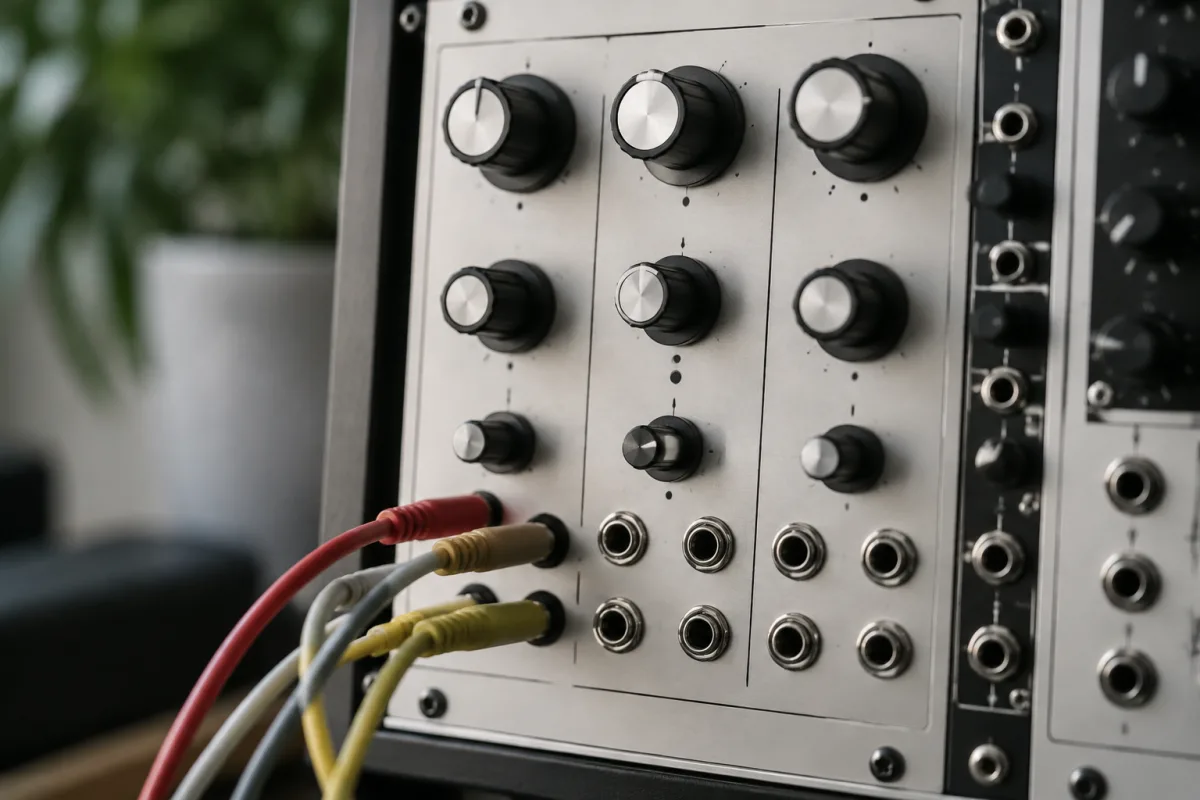
An envelope module is a fundamental tool in modular synthesis and electronic music production, but buying one requires understanding what you're actually controlling and how it fits into your workflow. This guide focuses on the specifications that matter when selecting an envelope module, the differences between topologies, and how to choose one that genuinely complements your setup. Whether you're building a modular system or adding complexity to your production, this buying focus clarifies the essentials.
What Is an Envelope Module and Why Buy One?
An envelope module generates time-based control voltages (CVs) that shape sound over time. An envelope has four stages: Attack (how fast the sound rises), Decay (how quickly it falls to a sustained level), Sustain (the level held while a key is pressed), and Release (how slowly the sound fades after release). This ADSR structure is the basis of sound design in synthesis.
If you're working with a modular synth, a good envelope module is non-negotiable. If you're using software synthesis or a compact synth with built-in envelopes, a standalone envelope module adds flexibility and creative possibilities. Buying a quality module pays dividends in how easily you can sculpt dynamic, evolving sounds.
Understanding Envelope Types
ADSR Envelopes (Attack, Decay, Sustain, Release)
The most common type. ADSR envelopes are intuitive and cover the vast majority of sound design tasks. When shopping, ensure the module you choose has clear, independent controls for each stage so you can dial in anything from fast, percussive sounds to slow, evolving pads.
AR Envelopes (Attack, Release)
Simpler and more compact than ADSR, AR modules lack the Sustain and Decay stages. They're suitable for transient-based sounds (drums, plucks) but limit creative control. If your budget is tight and space is limited, an AR can work; for serious synthesis, ADSR is more versatile.
ASR Envelopes (Attack, Sustain, Release)
Rare, but useful for gates and control voltages that don't need a decay stage. Not essential for most users.
Key Specifications When Buying
Number of Envelopes Per Module
Single-envelope modules are the standard. Dual-envelope modules pack two independent envelopes in one unit, saving valuable rack space if you have two sound sources or want to control multiple parameters from one module. Check whether both envelopes can operate simultaneously and independently.
Time Range
Check the minimum and maximum times for each stage. Fast attack times (sub-millisecond) are essential for punchy drums. Slow decay and release times (up to 30 seconds or more) create evolving pads. A good module covers the full range: milliseconds to tens of seconds. Avoid modules with limited ranges that force you to always work at the same speed.
Voltage Outputs
Most modules output control voltage (CV) that modulates other synth parameters. Standard modular synths use 0–10V or ±5V ranges. Check that your envelope module matches the standard in your setup. Some modules also offer inverted outputs (an upside-down version of the envelope), which is useful for side-chain type effects.
Input Triggering
How does the envelope receive its trigger signal (the "start" command)? Most modules accept gate inputs (a sustained high signal) or trigger inputs (a short pulse). Good modules accept both. Check impedance and voltage levels; they should match your other gear. Some advanced modules include tempo sync for rhythmic envelope control.
Shape Control
Basic envelopes are linear (straight lines between attack, decay and release). Advanced modules offer curved envelopes (exponential or logarithmic), which sound more natural and musical. This curves how the envelope rises and falls. If available at your price point, curved envelopes are worth the extra cost.
Modulation Inputs
Premium modules let you modulate the envelope stages themselves via CV inputs. This allows dynamic control: changing attack time via an LFO, for instance. This advanced feature adds creative flexibility but isn't essential for basic sound design.
Understanding Build Quality and Usability
Feel the knobs and switches. They should have precise resistance and clear tactile feedback. Cheap pots (potentiometers) feel scratchy or loose; good pots turn smoothly with consistent resistance. This matters during performance and in the studio: imprecise controls frustrate your workflow.
Check the panel layout. Can you reach all controls easily without accidentally touching adjacent modules? Cramped layouts are annoying; well-designed panels anticipate how you'll use the module.
Panel colours and labelling should be legible. Black or dark panels can hide text under poor lighting. Light panels with high-contrast text are easier to read and operate in clubs or poorly lit studios.
Patch Connectivity
Check the number and type of jacks. Standard modular uses 3.5mm jacks. Ensure the module has enough outlets for your workflow (trigger input, CV output, inverted output, clock/tempo inputs if you need them). Modules with more jacks allow more complex patching possibilities.
Price Tiers and What You Get
Under £100
Budget envelope modules offer basic ADSR functionality with fewer bells and whistles. Time ranges might be limited, and curve shaping is basic or absent. Suitable for learning modular synthesis but limits sonic possibilities.
£100–£250
Mid-range envelope modules offer full ADSR with good time ranges, multiple trigger options, and often inverted outputs. This is where most modular users find excellent value. Enough control to create rich, evolving sounds without overwhelming complexity.
£250–£500
Premium modules add curved envelopes, multiple outputs, modulation inputs and often dual-envelope functionality. These suit serious sound designers and performers who need maximum creative control and reliability.
Above £500
High-end modules add rare features (analog/digital hybrid, advanced sequencing, extreme time ranges). Buy this tier only if you have specific advanced needs.
Common Buying Mistakes
Don't assume all ADSR modules are identical. Time ranges, curve types and output levels vary significantly. A cheaper module might have slower attack times (limiting percussive possibilities) or no curve shaping (making pads sound harsh).
Don't overlook the need for inverted outputs. Many sound design techniques require both normal and inverted envelopes. A module without this option forces you to buy a separate inverter module later.
Don't assume more jacks means better. A well-designed single-envelope module is more useful than an overstuffed dual-envelope module with poor layout. Usability matters more than feature count.
Don't ignore panel quality and aesthetics. You'll stare at this module for hours during design sessions. A legible, attractive panel keeps you engaged; a cramped, dark panel is soul-destroying.
Integration Considerations
If building a new modular system, choose envelope modules that match your other gear in terms of voltage standards (0–10V or ±5V) and jack types. Mixing standards requires adapters, which add expense and complexity.
If expanding an existing system, ensure the new envelope module is compatible with your current setup. Check voltage and jack standards before buying.
Making Your Purchase
For comprehensive information about envelope modules, including detailed model comparisons, patching techniques and advanced sound design, explore our complete guide to envelope modules. This buying focus distils the essentials; the comprehensive guide covers everything you'll encounter as your modular practice deepens.
Choose an envelope module with full ADSR, good time ranges, and sound build quality. You'll be sculpting dynamic, living sounds in no time.


Comments