
Electric Pad Drum article
The Complete Guide to Electric Pad Drum
Electric pad drums give drummers control over sounds and effects whilst keeping setups compact and quiet. This guide explores pad drum technology, sound modules and how to choose the right system for live or studio use.
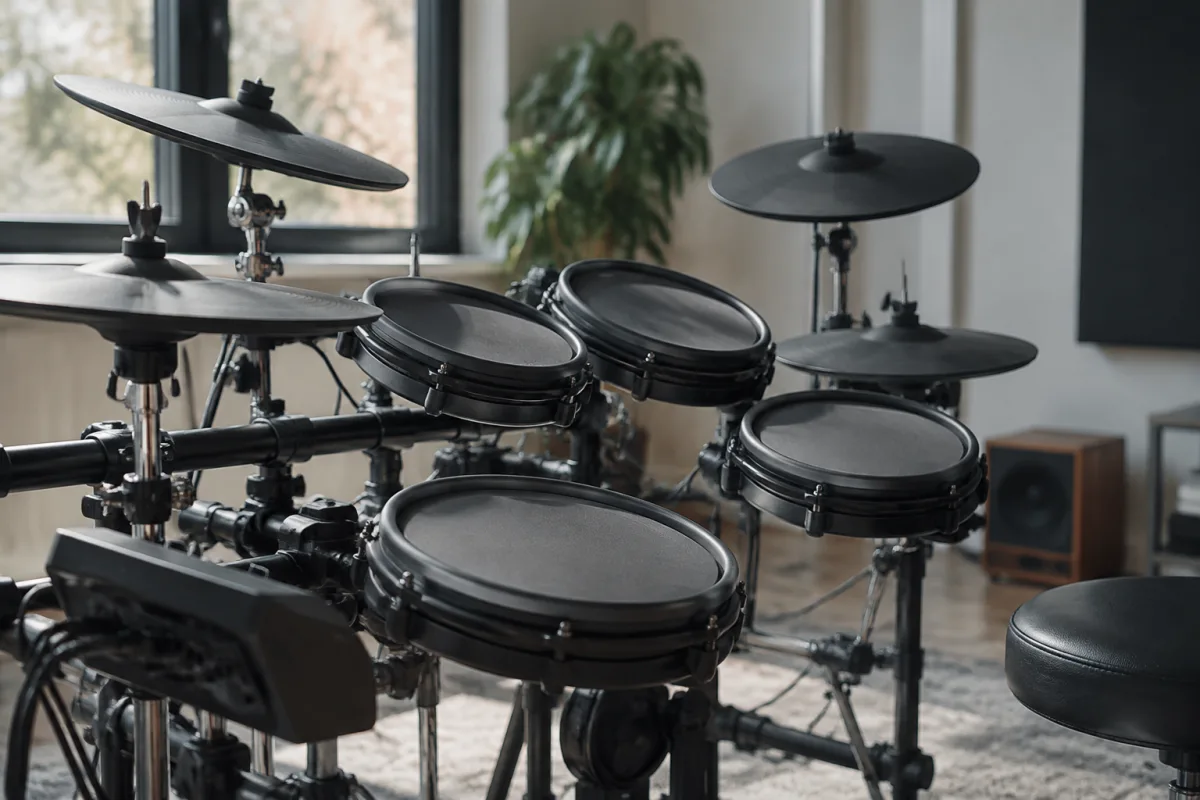
Electric pad drums have revolutionised drum performance and production, giving drummers control over sounds and effects that would be impossible on acoustic kits. Whether you're a live performer, studio producer or electronic musician, an electric pad drum (also called electronic drum pads or controllers) opens creative possibilities whilst keeping your setup compact and neighbours happy. This guide explores electric pad drum technology and how to choose the right system for your music.
Understanding Electric Pad Drums
An electric pad drum is a percussion controller that triggers digital sounds when you strike it with a drumstick or mallet. Unlike acoustic drums, which produce sound through vibrating membrane (the drum head), electric pad drums generate sound electronically through a module, synthesizer or computer. Each pad responds to your velocity (how hard you hit), letting you control volume and dynamics with your playing.
Modern electric pad drums connect wirelessly or via USB to sound modules, computers and mobile devices. This flexibility makes them perfect for bedroom producers, travelling musicians and live performers who need dozens of sounds without carrying multiple instruments.
Pad Types and Sensitivity
Electric pad drum pads come in different construction types. Rubber pads offer good responsiveness and durability, ideal for drummers practising hard strikes. Mesh pads mimic acoustic drum feel more closely, with the tension providing realistic resistance and rebound. Professional systems offer hybrid designs combining rubber and mesh surfaces.
Sensitivity adjustment on electric pad drums lets you customise how hard you need to strike to trigger a sound. Sensitive settings suit light jazz playing, whilst less sensitive settings work for hard rock styles where you want to avoid accidental triggers. Quality electric pad drum systems let you adjust individual pad sensitivity independently.
Sound Modules and Tone Selection
| Module Type | Sound Quality | Portability | Price Range |
|---|---|---|---|
| Built-in module | 100–200 drum sounds | Very portable | £300–£800 |
| Standalone module | 500+ drum sounds | Moderate (separate unit) | £400–£1,500 |
| Computer-based (DAW) | Unlimited via software | Requires laptop | £0–£500 (software) |
| Hybrid system | Module + software sounds | Flexible setup | £600–£2,500 |
The module determines your sound possibilities. Built-in modules on affordable electric pad drums offer 100–200 preset sounds adequate for learning and casual playing. Advanced modules include synthesizer controls, layering and effects, giving experienced players genuine creative control. Computer-based systems unlock unlimited possibilities through software synthesizers and sample libraries.
Key Features for Electric Pad Drums
Professional electric pad drums include features that matter for serious players. Velocity-sensitive pads capture the nuanced dynamics of your playing, translating hard and soft strikes into appropriate sound levels. Cross-stick or rim-shot triggering on specific pads lets you add articulation and variety to your playing.
Programmable pads let you customise which sounds trigger on which pads, tailoring your setup to your music style and workflow. Expression pedal support adds foot-controlled parameters like hi-hat opening or filter sweeps. Quantise functions (snapping to beat grid) help tight timing, whilst humanise options add natural-sounding variations.
Choosing Your Electric Pad Drum System
Ask yourself key questions: What music style do you play? Do you perform live or produce in the studio? How important is portability? What's your budget? A gigging musician needs a robust, battery-powered electric pad drum system with wireless capability. A producer might prefer USB connection to a computer for maximum sound editing.
Consider whether you want a complete kit (pads, module and stand) or a controller to use with your existing sound modules or computer. Experienced players often build hybrid systems, combining multiple electric pad drum controllers with various sound sources for ultimate flexibility.
Practice and Performance Advantages
Electric pad drums solve real-world problems acoustic kits can't. Silent practice with headphones lets you improve technique without disturbing others. Consistent pad surfaces mean predictable response without the unpredictability of worn drum heads. Volume control prevents hearing damage and lets you adjust mix levels on the fly.
For live performance, electric pad drums offer reliability (no tuning required), consistency (every show sounds the same) and creativity (access to your full sound library instantly). Switch between drumkit, percussion, melodic sounds and effects during a single performance without breaking a sweat.
Integration With Your Workflow
USB and MIDI connectivity let your electric pad drum system integrate into any professional setup. Record MIDI data that you can edit, quantise and perfect in your digital audio workstation (DAW). Layer sounds from multiple modules, combining built-in electric pad drum tones with software synthesizers and sample libraries.
Wireless technology frees you from cables, perfect for live performance and energetic playing. Quality wireless systems use dedicated frequencies to avoid latency and dropouts that plague cheaper RF systems. Test wireless reliability before committing for live gigging.
Long-term Investment and Expandability
A quality electric pad drum system remains useful for years. Modular systems let you expand gradually—add more pads, upgrade to a better module, or introduce additional sound sources as your needs evolve. Your initial investment becomes the foundation of a professional rig rather than a fixed, outdated setup.
Choosing the right electric pad drum system transforms your drumming from limited by acoustic constraints into unlimited by digital possibilities. Whether you're learning drums, producing beats or performing live, the right electric pad drum rig inspires creativity and solves the practical challenges real drummers face every day.


Comments