


Drum Beats Buying guide
Drum Beats: A Complete Buyer's Guide
Shopping for drum beats? This guide covers sample packs, software, hardware options, price points, and how to choose without wasting money.
Finding the Right Drum Beats for Your Production
If you're shopping for drum beats—sample packs, loops, or hardware options—and you want to know what actually works and what's worth buying, this guide is for you. The market is flooded with options, from free samples to professional software, and most people waste money on the wrong thing before figuring out what they actually need. I'll walk you through the key decisions and how to get quality drum beats without breaking the bank.
Understanding What You're Buying
Drum beats come in several formats. Sample packs are collections of pre-recorded drum sounds you import into your DAW. Ready-made loops are complete patterns you drop directly into a track. Hardware drum machines generate patterns physically without needing a computer. Software lets you create custom patterns on a computer. Understanding which format suits your workflow matters.
The quality of drum beats varies dramatically by source. Cheap packs often contain generic, heavily-used sounds. Professional packs from respected producers sound competitive with commercial releases. There's a real relationship between price and quality, but that doesn't mean you must spend a fortune.
Sample Packs and Loop Libraries
If you produce music using a DAW like Logic, Ableton, or FL Studio, finding quality drum beats samples and packs is essential. A decent pack costs £15-£50. Professional drum beats packs run £30-£100. Most working producers own dozens of packs.
The trap: buying packs because they're cheap. Free and budget packs often contain sounds you'll hear in thousands of other productions. Quality drum beats packs from Loopmasters, Splice, or independent producers give you sounds that stand out. Look for packs matching your actual genre—a techno pack is worthless for hip-hop.
Subscription Services
Splice offers thousands of drum beats samples through a subscription (typically £7-£10 monthly). This is excellent value for active producers. You access massive libraries, download monthly credits, and find exactly what you need without buying individual packs.
For producers making several tracks monthly, subscriptions are cheaper than buying packs individually. For casual hobbyists, free samples might suffice unless you consistently need higher quality drum beats.
Hardware Drum Beat Machines
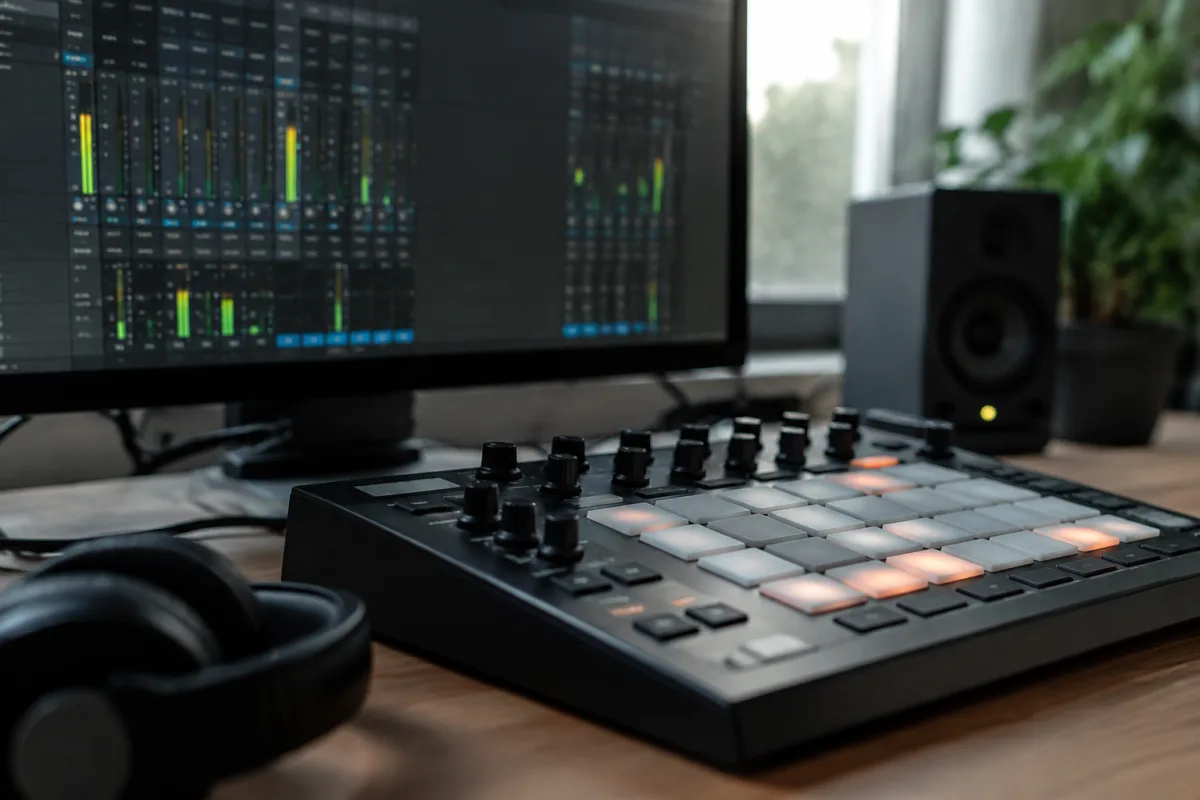
If you want to create drum beats without a computer, hardware ranges from £100 budget units to £2000 professional rigs. Affordable options (£100-£400) work genuinely well for learning. They generate patterns in real time, let you program sounds, and produce finished drum beats you can record.
The advantage: hands-on, tactile workflow. The disadvantage: limited sound libraries compared to software. Most beginners start with software drum beats tools and add hardware only if they prefer it.
Software Drum Machines
Stand-alone software like Addictive Drums or Maschine costs £50-£300. These let you create patterns with detailed control. Many come with extensive sound libraries, allowing professional-sounding drum beats without external samples.
The advantage: complete creative control and everything contained in one system. The disadvantage: steeper learning curve than sampling loops.
Price Tiers and Value
Free drum beats samples exist everywhere but are often low quality or heavily reused. Use free packs for learning, not professional work.
Budget packs (£10-£30) from established creators offer significantly better quality. This is the sweet spot for most producers seeking quality drum beats without premium pricing.
Professional packs (£50+) offer unique sounds from known producers. Worth the investment only if you recognise the producer's work and want that specific character in your drum beats.
Common Mistakes
Don't buy drum beats packs on sale if they don't match your style. A cheap pack you won't use wastes money. Wait for sales on packs you actually want.
Don't assume hardware is better than software. Each has advantages. Hardware is tactile but limited. Software is flexible but impersonal. Choose based on your workflow.
Don't commit to subscriptions for casual hobbyists. Buy specific packs instead. Don't subscribe if you make music once yearly.
Getting More From Your Samples
Don't just drop loops directly into tracks. Rearrange drum beats, add fills, and customise the mix. Layer sounds from different packs—combine kick drums from one pack with hats from another. This creates unique drum beats without building everything from scratch.
Conclusion
Quality drum beats elevate production. Invest in packs matching your genre and workflow. Budget packs from respected creators offer the best value. Avoid ultra-cheap options unless learning. For detailed recommendations on drum beats types, genre-specific packs, and software comparisons, see our complete guide covering every option.


Comments