


Bass Case article
Bass Case for Beginners: A Complete Guide
Choosing your first bass case is straightforward. This guide walks you through the three types of cases, what to check when buying, common beginner mistakes, and how to pick the right protection for your bass.
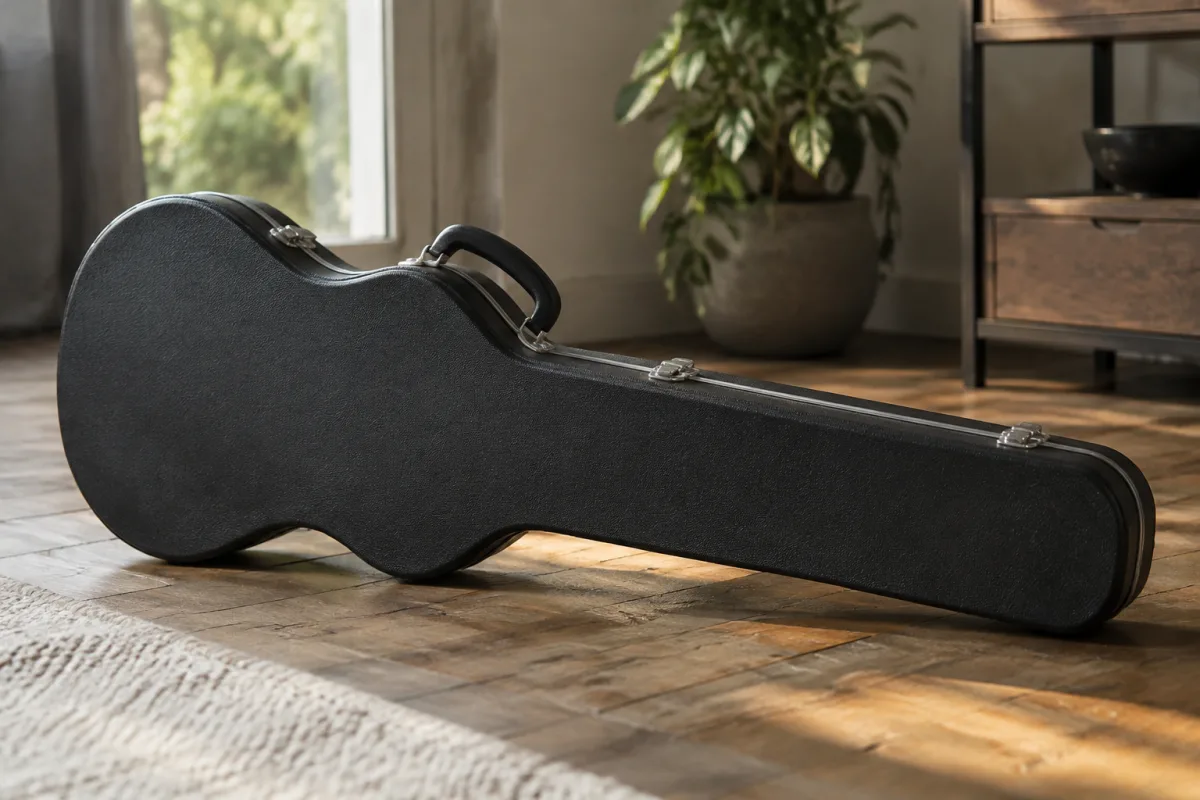
Protecting Your Bass: A Beginner's First Bass Case Guide
If you've just bought your first bass, you've made a great investment. Now you need to protect it. A bass case is one of the simplest and smartest purchases you can make—it keeps your instrument safe during transport, extends its lifespan, and gives you peace of mind. This beginner's guide walks you through choosing your first bass case, explains what you actually need (which is less than you might think), and helps you avoid common mistakes that waste money or fail to protect your instrument.
Understanding the Three Types of Bass Cases
A bass case comes in three main styles, and understanding which suits your situation removes the confusion. A hard case is a rigid, protective shell—think of it as armour for your bass. A soft case is a padded bag—lighter and easier to carry but less protective. A gig bag sits in between: padded protection in a portable form. For a beginner, the choice depends on how you'll transport your bass and what risks you face.
Hard cases are the most protective but heavy and bulky. They're brilliant if you fly regularly with your instrument, gig with equipment trucks, or need maximum protection. A beginner who plays locally might find a hard case overkill. Soft cases offer minimal protection—fine for moving between bedroom and rehearsal space, risky if you're gigging or travelling far.
Gig bags are the Goldilocks option: portable enough to carry easily, protective enough to handle regular gigging and transport. For most beginner bassists, a gig bag is the smart choice. You get genuine protection without the weight or expense of a hard case.
What to Check When Choosing Your First Bass Case
Padding thickness matters. A decent gig bag has at least 10mm of foam padding. Cheap gig bags have thin padding that barely cushions impacts. Press your thumb on the padding from outside—if you can feel the hard shell easily, the padding is too thin. Feel the difference between budget and mid-range bags in a shop.
Shoulder straps should be padded and wide. You'll wear this bass case often. Thin shoulder straps cut into your shoulders and make carrying uncomfortable. Check whether the straps are adjustable and stay in place. Some cheap cases have straps that slip, and after five minutes of walking, the case is hanging awkwardly.
The interior needs protection too. Look for interior padding or compartment dividers that keep your bass secure and prevent it sliding around during transport. Some gig bags have minimal interior protection and rely only on external padding—not ideal. Better bags have reinforced bottoms and side compartments that stabilize the instrument.
Pockets for accessories are genuinely useful. You'll want to carry spare strings, cables, a tuner, maybe a capo and music. A bass case with useful exterior pockets beats one where you have to carry a separate bag. Check that pockets have secure zips (cheap zips fail) and are sized for real gear (tiny token pockets are useless).
Fitting Your Bass Properly
Before you leave the shop, ensure the bass case actually holds your bass securely. Some generic bags fit most basses poorly—the instrument slides around inside. Place your bass in the case and check that neck access is unobstructed and the body sits snug. The bass shouldn't shift when you carefully shake the case.
Strap your bass in. Most gig bags include interior straps or padding designed to hold the instrument. Use them. A loose bass bouncing inside a case suffers unnecessary wear and risk of damage. Proper securing takes two minutes and is non-negotiable.
Price and Value for Beginners
Budget gig bags (£30–£60) offer basic protection. The padding is thin, zips sometimes fail, straps aren't padded. These suit bedroom to rehearsal transport with careful handling. For regular gigging or frequent transport, they're not adequate. You'll replace them within a year or two when seams split or zips jam.
Mid-range gig bags (£60–£120) offer genuine protection: decent padding, padded straps, useful pockets, quality zips. These last years with normal use. For a beginner planning to gig and practise regularly, this tier is smart money. You spend less than the difference between a mid-range and budget bag, and you get a case that grows with your playing.
Premium gig bags (£120–£250) offer features like rain covers, reinforced handles, and professional-grade construction. These are nice but overkill for most beginners. Save that money for lessons or gear upgrades.
Common Beginner Mistakes to Avoid
Don't buy a generic guitar gig bag and force your bass into it. Some guitar bags are roughly the same size as bass bags, but the internal configuration is wrong. Your bass needs a bag designed for the instrument shape and size. It's not just about fitting—it's about weight distribution and protection.
Don't assume more pockets equals better. A bass case with eight tiny pockets you'll never use costs more than one with four useful pockets. Choose function over flashiness.
Don't skip the shoulder strap cushioning. Thin straps might seem fine in the shop, but wearing them for even twenty minutes becomes uncomfortable. This matters more than you think for long-term satisfaction.
Don't cheap out on protection if you gig. A bass case costs less than a repair bill for a damaged headstock or dented body. Spend enough to get genuine protection. Budget cases aren't worth the risk.
Getting Used to Your New Case
Practice packing your bass and putting it in the case. It sounds obvious, but doing this carefully before your first gig or rehearsal prevents fumbling and rushed mistakes. Know where the straps go, how to secure the neck, and how to position the body. A thirty-second routine becomes automatic after a few times.
Mark your case with your name and contact details. At rehearsal spaces or venues where multiple musicians gather, gig bags look similar. A small label inside and out prevents mix-ups and makes recovery easier if your case goes missing.
Conclusion
Buying your first bass case is straightforward if you focus on the essentials: adequate padding, padded shoulder straps, secure interior protection, and useful pockets. A mid-range gig bag offers the best value—it protects your bass properly and lasts years with normal use. You're not making a huge investment, but you're making a smart one that protects an instrument you've already committed to. Don't overthink it. Choose a reputable brand, check it fits your bass, ensure the padding feels adequate, and you're done. Your bass will thank you. For more on bass equipment and care, see our complete guide to bass cases.


Comments