
Piano Keyboard Sustain Pedal article
The Complete Guide to Piano Keyboard Sustain Pedal
The sustain pedal is one of music's most expressive tools. Discover how sustain works on acoustic pianos and keyboards, effective pedal technique and how to choose the right sustain pedal for your needs.
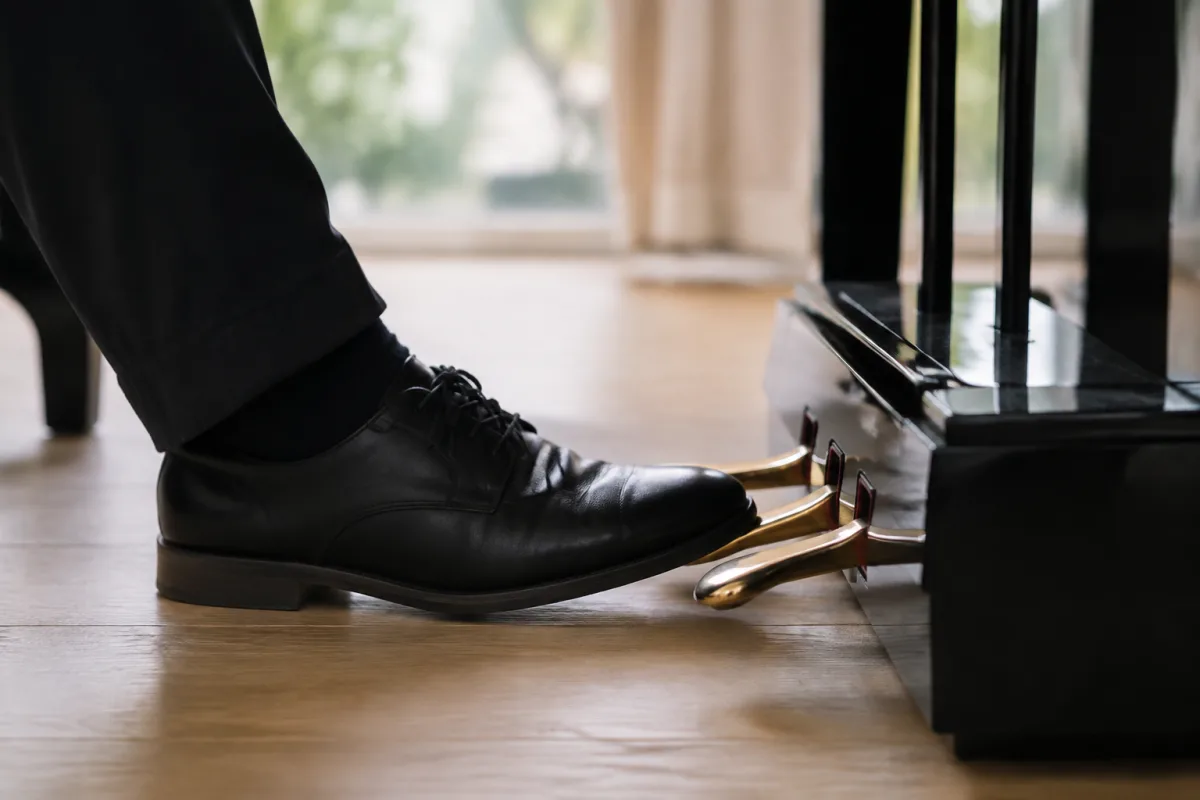
The sustain pedal—often called the damper pedal—is one of the most expressive tools available to piano and keyboard players. A simple mechanical device, yet profound in its musical effect, the sustain pedal allows notes to ring beyond their natural decay, creating texture, legato passages and harmonic depth impossible to achieve with finger technique alone. Whether you're a classical pianist, jazz improviser or contemporary keyboard player, understanding the sustain pedal's function and mastering its use fundamentally expands your musical expression. This guide explores how sustain pedals work, their characteristics and how to use them effectively across different musical contexts.
How Piano Keyboard Sustain Pedals Work
On an acoustic piano, striking a key raises felt dampers off the strings, allowing them to vibrate freely. Release the key and the dampers return, stopping vibration. The sustain pedal operates differently: it lifts all the dampers simultaneously, allowing all strings to vibrate sympathetically when you play. This means notes continue ringing even after you release the key, and strings can resonate together, creating a fuller, more complex harmonic texture.
On digital keyboards and stage pianos, sustain is electronic. The pedal sends a continuous signal that extends the note length beyond the normal envelope. Digital sustain can be configured with adjustable hold times or set to sustain indefinitely until the key is released. Some digital instruments offer additional control—half-pedal functionality that creates partial sustain, mimicking the acoustic piano's continuous sustain pedal.
Types of Sustain Pedals
Acoustic pianos typically feature a damper pedal (sustain) on the right, a soft pedal on the left and a sostenuto pedal in the middle. On keyboards, sustain pedals vary. Professional stage pianos include robust, weighted sustain pedals that feel similar to acoustic instruments. Home keyboards may have smaller plastic pedals with a lighter feel. Studio setups often use external sustain pedals—foot switches that connect via cable or wireless to the keyboard.
External sustain pedals offer flexibility: you can use your preferred pedal with any compatible keyboard, upgrade independently of the main instrument and often choose between on/off switches and continuous expression pedals. Many professional pianists and keyboardists prefer external pedals for their superior build quality and customisation options.
Sustain Pedal Technique and Musical Applications
Effective sustain use requires understanding when to engage and release the pedal. In classical piano, sustain connects passages that would otherwise be disconnected, creating smooth legato flows. Change the sustain pedal precisely with harmonic changes to avoid muddying the sound with clashing resonances. Many pianists use "syncopated pedaling"—releasing and re-engaging the pedal between chord changes to maintain clarity whilst keeping desired notes ringing.
In jazz, sustain creates the lush, extended harmonies characteristic of the style. Minimal pedal with precise changes keeps comping clean and clear. In contemporary keyboard music, extended sustain and deliberate harmonic layering create atmospheric textures and ambient effects.
Sustain Pedal Effects on Tone
Proper sustain use enriches tone significantly. Notes sustain longer, decay more gracefully and benefit from harmonic reinforcement as other strings vibrate sympathetically. This creates a fuller, warmer sound than playing without sustain. However, excessive sustain muddies the music—clashing harmonies ring together, making passages incoherent. The art of sustain is knowing when to engage and when to release, creating texture without obscuring clarity.
Different acoustic pianos respond to sustain differently. A high-quality concert grand piano produces lush, complex harmonics when sustain is engaged. A student-model piano may sound muddier. Digital keyboards allow customisation: adjustable sustain length, variable resonance levels and effects processing can shape sustain character to suit different musical contexts.
Choosing a Sustain Pedal for Digital Keyboards
If you're using a keyboard without an integrated sustain pedal, or seeking to upgrade, consider these factors:
| Feature | Consideration |
|---|---|
| Pedal Type | Footswitches (on/off) are simple and affordable. Expression pedals offer variable sustain. Half-pedal capability adds nuance for pianists accustomed to acoustic instruments. |
| Build Quality | Professional pedals feature robust construction and comfortable foot placement. Budget alternatives may feel flimsy and affect playing confidence. |
| Compatibility | Verify the pedal works with your keyboard. Most use standard 1/4" mono jacks or proprietary connections. Wireless options require compatible receivers. |
| Feel and Resistance | Pedal resistance should feel natural to you. Some prefer light, responsive pedals; others prefer heavier, more deliberate feel. Test before purchasing if possible. |
| Portability | Compact pedals suit travelling musicians and limited space. Heavy-duty touring pedals may be overkill for home use. |
Common Sustain Pedal Issues and Solutions
Sustain pedal problems typically manifest as lack of sustain, excessive sustain or unresponsive pedals. Check connections first—a loose cable is the most common culprit. Ensure your keyboard's sustain function is enabled in settings. Verify sustain length settings aren't set to minimum. If an acoustic piano's sustain seems weak, the issue may lie with damper mechanics rather than the pedal itself.
Excessive sustain can be managed by reducing the sustain length in your keyboard's settings or by being more deliberate with pedal changes. Worn sustain pedals on acoustic pianos may need professional servicing. Digital pedals that feel unresponsive may need calibration through your keyboard's menu.
Developing Sustain Pedal Mastery
Learning sustain pedal control takes deliberate practice. Begin by engaging sustain for entire passages to hear its effect. Gradually practice syncopated pedal changes—releasing and re-engaging between harmonic changes. Listen carefully to how sustain affects clarity and tone. Record yourself and listen back critically; you'll quickly hear when sustain enhances music and when it muddies the sound.
Study recordings of pianists whose sustain control you admire. Listen for when the sustain pedal engages and releases. Imitate their technique. Different music styles demand different sustain approaches; classical requires precision, jazz rewards extended sustain and contemporary music often exploits extreme sustain effects. Develop flexibility across contexts.
Sustain Pedal and Digital Effects
Modern keyboards allow sustain to interact with effects processing. Extended sustain combined with reverb creates ambient, atmospheric textures. Sustain with compression evens out note dynamics, creating smooth, continuous tones. Experimenting with effects and sustain combinations opens creative possibilities unavailable on acoustic instruments.
Conclusion
The sustain pedal is one of music's most powerful expressive tools, transforming stark note sequences into lyrical, connected passages. Whether you're developing classical technique, exploring jazz improvisation or creating contemporary keyboard textures, sustain pedal mastery is essential. Understanding its function, choosing an appropriate pedal if needed and developing nuanced control will deepen your musical expression and expand the emotional range of your playing significantly.


Comments