


Stage Piano Yamaha article
Stage Piano Yamaha for Beginners: A Complete Guide
Starting with a stage piano Yamaha is simpler than you think. Learn which models suit beginners, how to set up for success, and the quickest path to playing music.
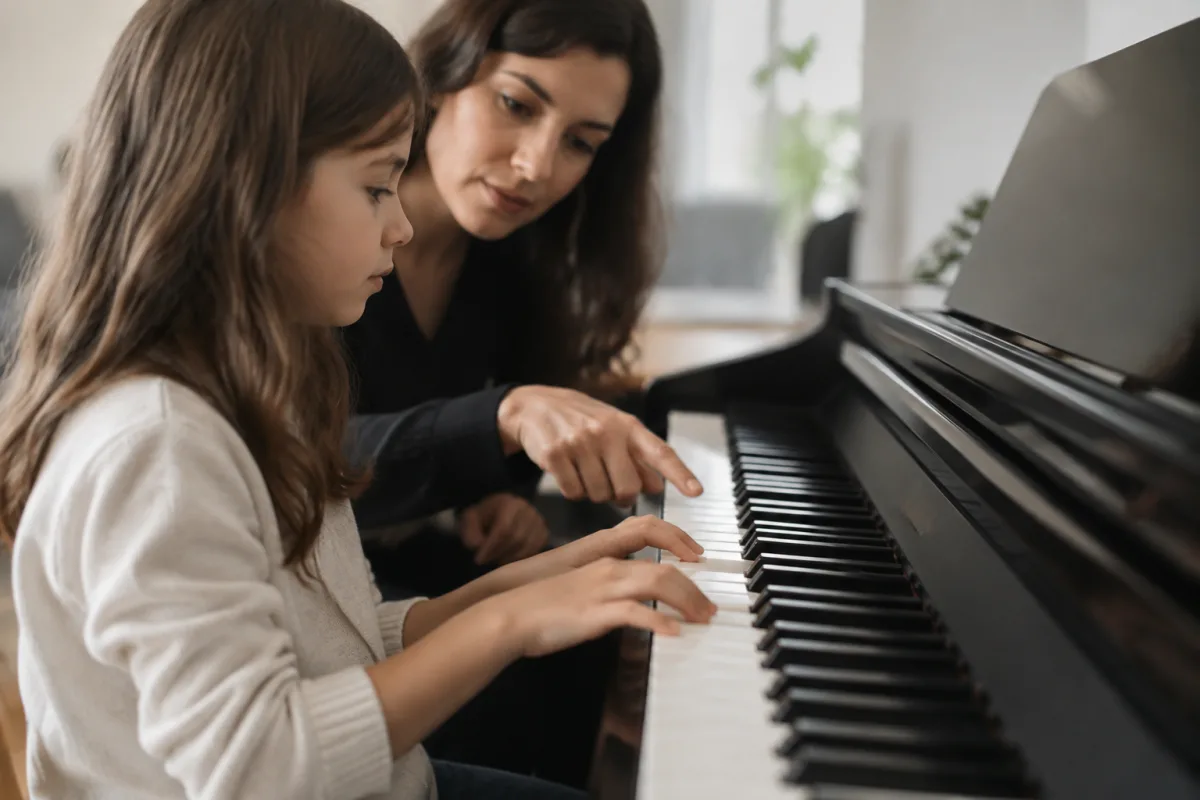
Thinking about buying a stage piano Yamaha for your first time? You might feel overwhelmed by specs, models, and price tags ranging from £300 to £3000+. But here's the truth: Yamaha makes stage pianos that beginners can actually enjoy playing, without needing a mastering degree or a second mortgage. This guide eases you into the world of stage piano Yamaha, showing first-time buyers the simplest path to getting started, the most common beginner mistakes, and how to avoid spending more than you need.
Why Start with Stage Piano Yamaha?
Yamaha has been making keyboard instruments for decades, and their stage piano reputation is earned through simplicity and reliability. A beginner stage piano Yamaha is more straightforward than competitor models—fewer hidden menus, fewer confusing options, more focus on playing. This makes them perfect for nervous first-timers who just want to sit down, press a key, and make music.
Yamaha Stage Piano Models for Beginners
Yamaha's lineup can look daunting, but here are the entry-level models perfect for learning:
- Yamaha P-125 is the gateway piano. Lightweight, affordable (around £400–£500), and genuinely fun to play. It has enough voices (38) for exploration but won't overwhelm you with options. Hundreds of beginners start here.
- Yamaha P-225 sits just above entry-level. Better speakers (£500–£600), more voices (192), and more realistic hammer action. The jump in quality is noticeable; many learners wish they'd started here.
- Yamaha CP40 is compact stage piano in the portable format. Good for gigging beginners or those with space constraints. Around £600–£800.
- Yamaha Montage (entry models) are workstation-style, more complex but incredibly powerful. Skip this for now—it's for players ready to dive deep into programming and sound design.
For a genuine beginner, the P-125 is often the best choice: affordable enough to try without regret, good enough to keep using as you improve.
The Most Important Features for Beginners
You don't need to understand every spec. Focus on these:
- Weighted keys — A stage piano Yamaha with hammer-weighted keys feels like an acoustic piano and teaches proper technique. Budget models have lighter keys; mid-range and above have weighted keys. This matters for learning.
- Sound quality — Listen to the piano sound in demos. Does it inspire you? Yamaha CFX and Bösendorfer samples sound gorgeous; you'll want to practise more. This is crucial for motivation.
- Built-in metronome — Every Yamaha has one. Essential for building rhythm sense without external apps.
- Sustain pedal — Make sure one is included or easily added. It's non-negotiable for expressive playing.
- Speakers or headphones — Budget pianos have weak built-in speakers. Headphones are fine for learning, but a piano with decent speakers is more enjoyable and inspires more practice.
- USB connectivity — Not essential but useful if you later want to record to a laptop or DAW. Most Yamaha stage pianos have this.
Everything else—polyphony, MIDI channels, preset arrangements—can wait until you're ready to explore.
Setting Yourself Up for Success
Once you've chosen your stage piano Yamaha, these steps make learning easier:
- Get a decent stand — The piano sits at a comfortable height, elbows at roughly 90 degrees. A cheap wobbly stand ruins posture and is genuinely unsafe. Budget £40–£100 for a solid stand.
- Use headphones first, neighbours second — Practice with headphones for the first few weeks. You'll focus better without worrying about volume, and your neighbours will appreciate the quiet. Move to speakers once you're comfortable.
- Find one teaching resource and stick to it — YouTube tutorials, a beginner book, or an app like Synthesia. Don't jump between ten resources; that's overwhelming and slows progress.
- Practice 20 minutes daily rather than 2 hours on weekends — Consistency beats cramming. Short, regular sessions train muscle memory; long sporadic sessions feel overwhelming.
- Learn to read music lightly — Don't memorise every note. Train your eyes to follow sheet music without thinking. This unlocks thousands of songs to play.
Common First-Timer Mistakes
Don't buy a stage piano Yamaha without playing it first. Sounds obvious, but many online buyers get home and discover the action feels wrong for their hands. A 10-minute demo in a shop matters.
Don't assume you'll practise more if you buy an expensive piano. A £800 piano gathering dust is worse than a £400 piano played daily. Start modestly.
Don't skip the manual. Yamaha manuals are actually readable. Knowing where the metronome button is saves frustration.
Don't expect to sound like a concert pianist in week one. Patience is part of learning. Trust the process.
Your First Month Checklist
Week 1: Unbox, plug in, play around. Learn one simple song by ear (something you know well). Don't read sheet music yet.
Week 2: Start learning to read music. Practice the C major scale slowly. Get comfortable with the sustain pedal.
Week 3: Learn your first simple piece from sheet music. Something like "Twinkle, Twinkle, Little Star" or a folk tune.
Week 4: Experiment with different voices and sounds. Build excitement about what your stage piano Yamaha can do beyond "just piano".
Getting Started is Easy
A stage piano Yamaha is a genuinely beginner-friendly choice. The learning curve is gentle, the instruments are reliable, and the community is supportive. For more detailed information on Yamaha's technology, tone, and how stage pianos fit into professional workflows, read our complete guide to stage piano Yamaha. Start with a P-125, commit to consistent practice, and within weeks you'll be playing recognisable music. That's the magic of beginning.


Comments