
Roland Keyboard Synthesizer article
The Complete Guide to Roland Keyboard Synthesizer
Roland keyboard synthesizers have shaped modern music with their warm, distinctive sound and accessible design. Discover what makes them essential tools in studios and on stages worldwide.
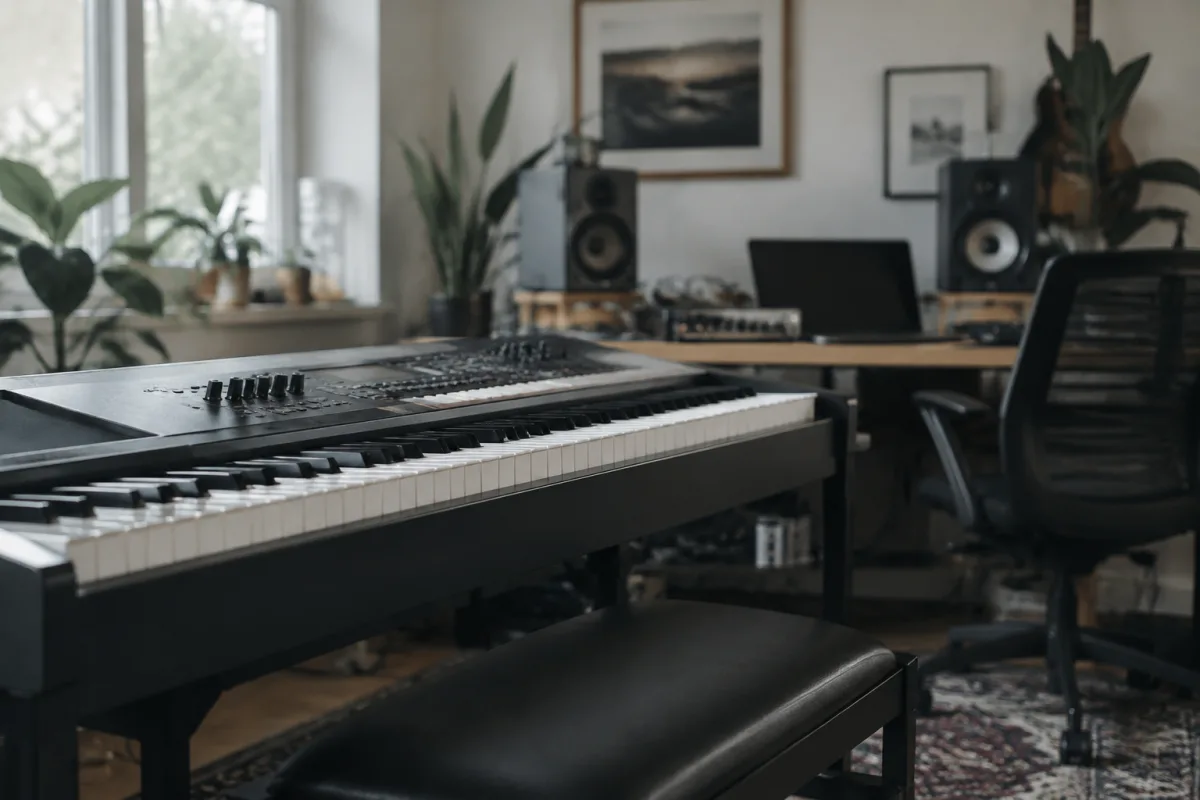
Roland keyboard synthesizers have shaped the sound of modern music for over five decades, from the iconic Juno to the beloved TR-series drum machines that revolutionised rhythm production. Whether you're a seasoned session player, a bedroom producer or simply curious about synthesizers, understanding Roland's place in keyboard history and contemporary music-making is essential. This guide explores what makes Roland keyboard synthesizers distinctive, their key models, and how to choose the right one for your needs.
What Makes Roland Keyboard Synthesizers Distinctive
Roland has earned its reputation through a combination of reliability, affordability and distinctive sound character. Unlike some manufacturers that prioritise cutting-edge technology alone, Roland focuses on delivering genuine musicality within reach of working musicians. Roland keyboard synthesizers are known for warm, punchy oscillators and flexible filter designs that sit well in a mix whether you're playing jazz, electronic music, pop or experimental ambient soundscapes.
The company's sound design philosophy emphasises real-time expressiveness. Roland keyboard synthesizers typically feature responsive keyboards, intuitive control layouts and knobs or sliders for live tweaking rather than buried menu diving. This hands-on approach makes them popular both in professional studios and with bedroom producers who want immediacy without sacrificing depth.
Key Roland Keyboard Synthesizer Models Through the Ages
Roland's catalogue spans decades of innovation. Early classics like the SH-101 and SH-2 established the brand's credentials for fat, characterful synthesis. The Juno series—especially the Juno-106 and Juno-60—brought affordable polyphonic synthesis to countless working musicians and remain sought-after today on the second-hand market.
More recent Roland keyboard synthesizers include:
- Juno-DS — A modern digital workstation combining Roland's legacy sound with contemporary sampling and sequencing, ideal for live gigging and composition.
- System-8 — A powerful semi-modular synthesizer that models classic Roland circuits and offers deep sound-design capabilities for those seeking flexibility.
- Fantom — An all-in-one production centre combining synthesizer, sequencer and workstation features in a large, expressive instrument.
- Juno-X — Bridges the gap between the Juno legacy and modern workflow, with a smaller footprint than the Fantom but serious synthesis power.
- Go:Keys — A compact, playable instrument aimed at beginners and experienced players who value portability, with built-in sounds and rhythms to inspire creativity.
Understanding Roland Keyboard Synthesizer Sound Character
Roland keyboard synthesizers are prized for their distinctive warm, slightly rounded tonal character. This comes partly from the design of their voltage-controlled oscillators and filters, and partly from Roland's circuit design choices over decades. Fans often describe the sound as "musical" and "forgiving"—it's difficult to make a Roland synthesizer sound harsh or unpleasant even with extreme settings, which makes them excellent for learning sound design.
The filter circuitry, particularly the classic voltage-controlled filter found in many models, has a smooth resonance peak that adds presence without harshness. This warmth is one reason Roland keyboard synthesizers sit so well alongside drums and bass in a mix, and why they've been the default choice for countless chart-topping records.
Choosing Your Roland Keyboard Synthesizer
The right choice depends on your specific needs, budget and use case. Beginners might consider the Go:Keys or an entry-level Juno model for their straightforward interface and quality built-in sounds. Serious producers and session musicians often opt for the Juno-DS or Fantom for their synthesis depth and production-focused sequencing.
Consider these factors when evaluating a Roland keyboard synthesizer:
| Factor | What to Look For |
|---|---|
| Keyboard Action | Weighted keys provide more control and expression; unweighted keys are lighter for fast playing and portability. |
| Connectivity | MIDI I/O, USB, and audio outputs are essential if you plan to integrate the synthesizer with other equipment or DAWs. |
| Sound Library Size | Modern Roland keyboard synthesizers come with hundreds or thousands of presets; for deep customisation, synthesis depth matters more than quantity. |
| Built-in Sequencing | Useful for sketching ideas and live performance; unnecessary if you'll always use a DAW or external sequencer. |
| Physical Size | Smaller 61-key models suit bedroom producers and gigging musicians; larger 88-key boards suit pianists and studio use. |
Roland Keyboard Synthesizers for Live Performance
For gigging musicians, Roland keyboard synthesizers offer reliability that's become legendary in the touring circuit. The Juno-DS and Fantom are both stage-ready, with rugged construction, comprehensive sound banks, and the sequencing power to run a full song from a single instrument if needed. Many touring keyboardists keep a backup Roland synthesizer on hand for its dependability and familiar workflow.
The responsiveness of Roland keyboards—particularly their velocity sensitivity and aftertouch handling—makes them expressive instruments for live playing. You can bend pitch, modulate tone in real-time, and respond to what's happening in the band without fighting sluggish interface menus.
Value and Longevity
Roland keyboard synthesizers hold their value remarkably well. Decade-old models like the Juno-106 or SH-101 command strong prices on the secondary market because musicians recognise their enduring quality and distinctive character. This longevity makes a Roland synthesizer a sound investment—you can usually resell it for a reasonable fraction of the original price if your needs change.
Contemporary Roland keyboard synthesizers continue this tradition. The Juno-DS, Fantom and System-8 are built to last, with solid construction and timeless sound design that won't feel outdated in ten years.
Getting Started with Sound Design on Roland Keyboard Synthesizers
If you're new to synthesis, a Roland keyboard synthesizer is an excellent teacher. The straightforward architecture—oscillators, filters, envelopes and LFOs—mirrors what you'll find in most synthesizers, from classic Moogs to Eurorack modules. Many players enjoy tweaking knobs on a Roland synthesizer just to hear how the parameters interact, and this hands-on exploration builds genuine synthesis literacy.
Roland's preset sounds are also professionally crafted and useful as starting points for customisation. Rather than starting with a blank slate, you can load an existing sound and tweak one parameter at a time to learn its effect, which is far less intimidating than designing from scratch.
Roland Keyboard Synthesizers in Professional Music Production
In studios and for professional recording, Roland keyboard synthesizers provide both familiar workflow and distinctive character. Producers often layer a Roland synthesizer with other sound sources to add warmth and musicality to digital arrangements. The predictability and known sonic signature of Roland keyboards makes them a reliable choice for high-stakes sessions where consistency matters.
From film scoring to electronic dance music to indie rock, Roland keyboard synthesizers remain production staples because they deliver results quickly and reliably, allowing musicians and producers to focus on creativity rather than troubleshooting.
Conclusion
Roland keyboard synthesizers occupy a unique place in music production—they're professional-grade instruments accessible to enthusiasts and beginners alike, prized for their warm character and real-time expressiveness. Whether you choose a compact Go:Keys for portable creativity, a versatile Juno-DS for live work, or a comprehensive Fantom for production, a Roland keyboard synthesizer is an investment in decades of proven sound design and reliable engineering. The warmth, playability and musicality that define Roland keyboard synthesizers have made them essential tools in studios and on stages worldwide, and they remain as relevant today as ever.


Comments