
Roland Keyboard Piano article
The Complete Guide to Roland Keyboard Piano
Roland keyboard pianos combine authentic piano action with modern technology, offering weighted keys and sophisticated sound engines for professionals and dedicated home musicians.
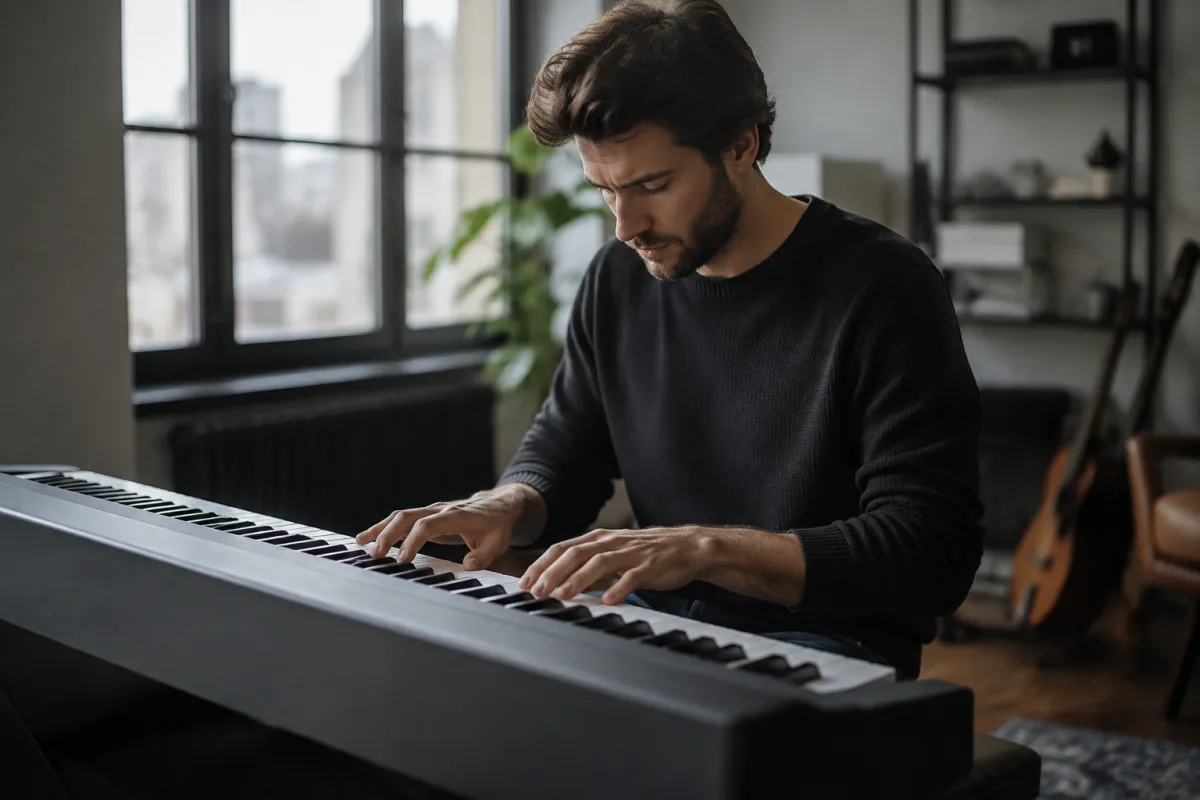
Roland keyboard pianos represent a pinnacle of digital piano technology, offering weighted keys, authentic action, and a vast library of sounds that satisfy both classical pianists and contemporary keyboardists. Whether you're a professional performer, a serious student, or a home musician seeking an instrument that captures the essence of an acoustic piano whilst offering modern versatility, a Roland keyboard piano delivers exceptional value and reliability.
What Makes a Roland Keyboard Piano Different
A true Roland keyboard piano differs from standard keyboards by prioritising authentic piano action—the weighted keys respond like an acoustic piano, with heavier resistance in the lower register and lighter touch in the upper register. This mimics the physics of a real grand piano and trains your fingers for seamless transitions between digital and acoustic instruments.
Roland's proprietary sound engine, combined with meticulous sampling of premium pianos, creates voices that respond naturally to your playing dynamics. Strike a key softly, and the tone is delicate; press firmly, and the timbre blooms with body and character, just as it would on an acoustic instrument.
Popular Roland Keyboard Piano Models
Roland's lineup spans numerous price points and feature sets. The FP series represents entry-level affordability without compromise—models like the FP-30X deliver authentic piano action, dual speakers, and Bluetooth MIDI connectivity in a compact, portable frame. These suit musicians who need a practice instrument or portable gigging setup.
Mid-range models like the Roland RD and BK pianos cater to working musicians and serious hobbyists. They feature expanded sound libraries, advanced effects processing, and robust construction designed for touring. The RD series emphasises stage performance, whilst the BK series blends piano tradition with organ and synth capabilities for versatility across genres.
Premium Roland keyboard pianos—the Fantom series and flagship concert models—offer motion sensors, extensive customisation, professional sampling, and the sort of build quality and sound depth that justifies investment by recording artists and session musicians. These instruments bridge the gap between digital and acoustic piano more convincingly than any competitors.
Key Features to Understand
Weighted action is non-negotiable if you play classical repertoire or want your technique to transfer seamlessly to acoustic pianos. Roland's PHA (Progressive Hammer Action) system uses individual wooden keys with escapement—the mechanism replicates the precise feel of a concert grand's action.
Sound engine quality determines your tonal palette and expressiveness. Roland's SuperNATURAL sound engine samples premium pianos from around the world and applies sophisticated modelling to recreate the resonance and complexity of acoustic instruments. Layer multiple voices for thicker, more orchestral textures.
Connectivity matters for modern musicians. MIDI input via USB or traditional DIN connectors lets you trigger external synthesisers or DAW software. Some models include built-in audio interfaces, Bluetooth MIDI, and even built-in WiFi for wireless control and firmware updates.
Speaker systems range from basic practice monitors to sophisticated dual-speaker setups that deliver genuine stereo imaging and bass response. If you're connecting to an external amplifier, speaker quality matters less; if you're relying on built-in speakers, opt for models with larger drivers and multiple channels.
Roland Keyboard Pianos vs. Other Brands
Yamaha offers comparable quality with the Clavinova series, whilst Kawai produces excellent weighted-action keyboards through their ES and MP series. Korg's In:side and Nord ranges cater to electronic musicians seeking synth engines rather than acoustic piano realism. Casio and Alesis serve budget-conscious buyers but sacrifice action quality and sound sophistication for affordability.
Roland distinguishes itself through meticulous piano sampling, responsive action mechanisms, and a reputation for durability in professional environments. Touring musicians and recording studios favour Roland for their reliability under demanding conditions.
Choosing the Right Roland Keyboard Piano for Your Needs
Consider your primary use. Classical pianists and students benefit most from the FP series' authentic action and genuine piano character. Gigging musicians prefer RD models for their portability, feature depth, and road-tested durability. Composers and producers gravitate toward Fantom-series pianos that combine world-class sounds with extensive production tools.
Space and portability factor significantly. The FP-30X measures roughly 1.3 metres wide and weighs 24 kilograms—genuinely portable for touring or cramped living spaces. Full-weighted 88-key models occupy considerably more footprint but offer the most authentic acoustic piano experience.
Budget constraints are real. Entry-level Roland keyboard pianos (FP series) cost £1,500–£2,500, mid-range models £3,500–£6,000, and premium instruments £7,000 and upwards. Decide how much genuine piano functionality you need versus how many extra features would genuinely serve your work.
Setting Up Your Roland Keyboard Piano
Unbox your instrument and allow it to settle to room temperature for at least 30 minutes before powering on. Check that weighted keys move smoothly and consistently across the full range. Update firmware via USB if a newer version is available—Roland regularly releases sound refinements and feature improvements.
If connecting to a DAW or external gear, configure MIDI channels carefully. Roland keyboard pianos transmit on channel 1 by default; adjust settings in the instrument's menu if you need to send different controllers to different channels for layering or splitting. Name your custom setups clearly so you can recall them during performances.
Experiment with the reverb, chorus, and effect settings. Roland's effects are subtle and authentic—never overuse them. A touch of reverb (10–20% wet) simulates a concert hall and brings out the piano's tonal depth without muddying the sound.
Maintenance and Longevity
Roland keyboard pianos are built for longevity, but basic care extends their life considerably. Avoid direct sunlight, extreme temperature fluctuations, and humidity extremes. Dust the keybed regularly with a soft, dry cloth. If liquid spills on the keyboard, power down immediately, do not press keys, and consult a technician before attempting to restart.
Most Roland models carry multi-year warranties covering manufacturing defects. Register your instrument with Roland to activate extended support and access firmware updates automatically. Professional servicing is seldom necessary if the instrument is maintained carefully.
The Bottom Line
Roland keyboard pianos deliver genuine piano authenticity combined with modern convenience and versatility. Whether you're preparing for concert performance, composing at home, or gigging regularly, Roland's range includes an instrument perfectly suited to your needs and budget. The weighted action, responsive sound engine, and professional build quality justify the investment for any serious musician committed to piano-based music.


Comments