
Roland Digital Piano Keyboard article
The Complete Guide to Roland Digital Piano Keyboard
Roland digital piano keyboards combine authentic acoustic feel with modern digital versatility, offering professional-quality instruments for beginners and experienced musicians alike.
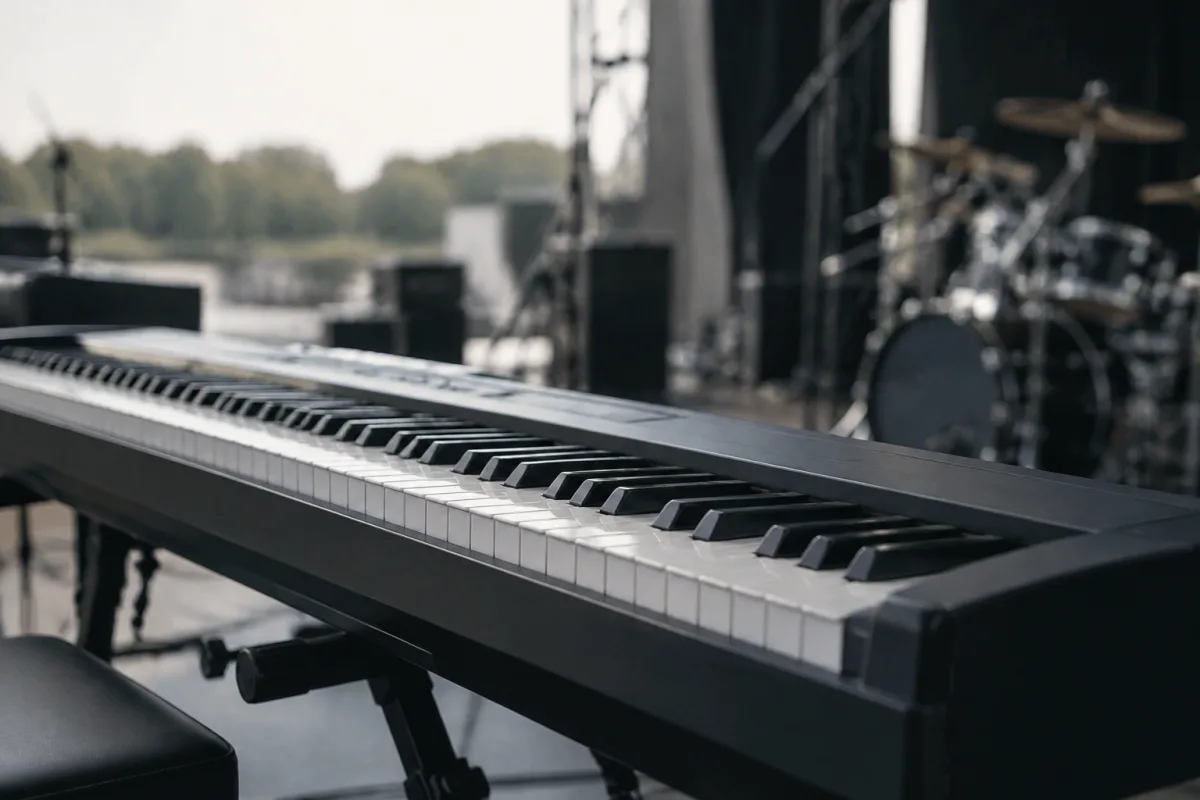
Roland has been at the forefront of digital piano technology for over four decades, creating instruments that blend authentic acoustic piano feel with cutting-edge digital capabilities. Whether you're a beginner exploring music or a seasoned player seeking a portable alternative to an acoustic piano, Roland digital piano keyboards offer versatility, reliability and impressive sound quality that has made them a staple in studios, concert halls and homes worldwide.
What Makes Roland Digital Pianos Stand Out
Roland digital piano keyboards are renowned for their sophisticated sound engine and realistic key action. The brand's SuperNATURAL piano technology faithfully captures the tonal character of premium concert grand pianos, responding to subtle variations in how you strike the keys. This level of responsiveness is crucial for serious players who need an instrument that reacts like an acoustic piano.
The weighted key action found on most Roland digital piano keyboards closely mimics the touch and resistance of traditional piano keys, making the transition from acoustic to digital seamless. The keys gradually become lighter in the upper registers, just as they do on a real piano—a detail that matters when developing proper technique.
Roland Digital Piano Models and Features
Roland's lineup caters to different needs and budgets. The FP (Portable) series offers compact, stage-ready instruments designed for performing musicians. These Roland digital piano keyboards weigh significantly less than acoustic pianos yet deliver professional-grade sound and feel. The RP (Home) series, meanwhile, emphasizes furniture-quality cabinet designs and built-in speakers, making them ideal for living rooms and studios.
Mid-range Roland digital piano keyboards like the RP701 and FP-90X feature approximately 38 high-resolution instrument sounds beyond just piano. This diversity means you're not limited to acoustic piano tones—you gain access to electric pianos, organs, harpsichords and strings, all at the press of a button. Advanced models include comprehensive recording capabilities, allowing you to capture multiple takes directly on the instrument.
Sound Quality and Authenticity
The sonic quality of Roland digital piano keyboards stems from stereo samples of actual concert pianos recorded at multiple dynamic levels. Instead of looping a single sample, Roland captures the unique tonal characteristics across the entire keyboard range. This approach, combined with physical modeling technology, creates rich, responsive piano tones that improve with subtle playing dynamics.
When you play softly on a Roland digital piano keyboard, the tone thins and brightens naturally. Press harder and the tone opens up with more body and power. This dynamic responsiveness is something budget digital pianos often lack, making it one of the primary reasons professional players prefer Roland instruments.
Portability and Practicality
For gigging musicians, the FP-series Roland digital piano keyboards combine portability with uncompromising quality. A compact FP model can be set up and ready to perform within minutes, yet delivers the sound integrity of much larger instruments. The built-in speakers provide adequate volume for small venues, whilst headphone output allows for silent practice—essential for flat-dwellers and night-owl musicians.
Battery-powered options on select Roland digital piano keyboards mean you're not tethered to a power outlet during rehearsals or outdoor performances. The accompanying stand and pedal system (sold separately or as bundles) elevate the playing experience, creating an ergonomic setup nearly indistinguishable from a traditional piano.
Connectivity and Modern Features
Today's Roland digital piano keyboards recognise that your instrument is part of a wider digital ecosystem. USB and MIDI connectivity allow you to connect to computers, music production software and other devices. Many models work seamlessly with music notation software, making them invaluable tools for composers and music teachers.
Bluetooth connectivity on newer Roland digital piano keyboards enables wireless communication with tablets and smartphones. Some models integrate with Roland's proprietary apps for metronome functions, tone editing and performance logging—useful features for practice-focused players.
Price and Value Considerations
Roland digital piano keyboards span a broad price range. Entry-level portable models start around £600–£800, offering genuine weighted keys and reliable sounds suitable for learners and intermediate players. Mid-range instruments (£1,500–£3,500) balance affordability with advanced features like extensive sound libraries and superior key action. Premium models exceed £4,000, featuring top-tier sound engines, premium wood finishes and professional-grade build quality.
When evaluating Roland digital piano keyboards, consider not just the initial purchase price but also warranty coverage, available support and the instrument's longevity. Roland's reputation for durability means these instruments often outlast customer expectations, providing excellent long-term value.
Touch and Feel: The Critical Difference
What ultimately separates Roland digital piano keyboards from cheaper alternatives is the touch. Roland invests heavily in key mechanism engineering, with individual key sensors and wooden key construction on higher-end models. This attention to mechanical precision ensures that every Roland digital piano keyboard responds consistently across the full 88-key range.
The aftertouch sensitivity—the ability to modulate sound by varying pressure after the key has struck—is another hallmark of premium Roland digital piano keyboards. This feature opens expressive possibilities, particularly for electric piano and synth sounds.
Maintenance and Longevity
Roland digital piano keyboards require minimal maintenance compared to acoustic pianos. No tuning, no humidity control, no felt hammers to wear out. Occasional key cleaning and regular software updates (on models that support them) keep your instrument in optimal condition for years. Most Roland keyboards easily function reliably for 10–15 years or longer with basic care.
Common Use Cases
Professional performers favour Roland digital piano keyboards for their stage reliability and consistent performance. Music teachers value the vast sound palette and recording capabilities for demonstrating concepts to students. Home musicians appreciate the compact footprint and cosmetic options that fit seamlessly into modern interiors. Composers and producers rely on the MIDI capabilities for integrating pianos into larger digital music setups.
Choosing Your Roland Digital Piano Keyboard
Start by defining your primary use case. Will you be performing on stage, teaching, composing or practising at home? Your answer should guide you toward the appropriate series. Next, test models in person if possible—the feel of the keys matters enormously, and this is something that's difficult to evaluate online.
Consider your space and connectivity needs. Compact portable models suit musicians with limited room; larger cabinet models work better in dedicated music rooms. Ensure the model offers adequate built-in sounds for your repertoire and supports any software or external hardware you might want to integrate.
Roland's legacy in digital piano design means you're investing in a brand backed by decades of innovation and real-world performance data. Whichever Roland digital piano keyboard you select, you're choosing an instrument engineered to inspire and support your musical journey for years to come.


Comments