


Portable Keyboard article
Portable Keyboard for Beginners: A Complete Guide
A portable keyboard is the most forgiving way to start making music. This guide covers setup, essential controls, and what matters when you're beginning.
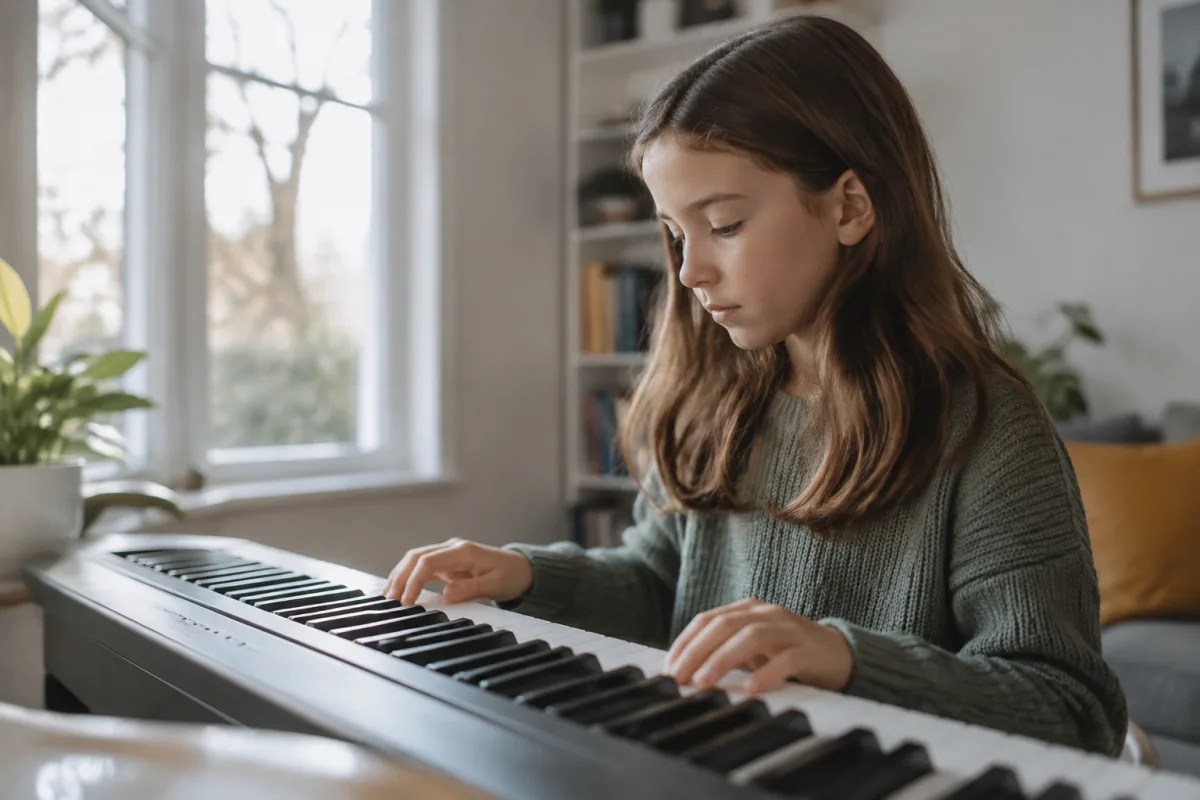
Learning on a Portable Keyboard: Your First Steps
A portable keyboard is one of the most welcoming ways to start making music. Unlike acoustic pianos, they're affordable, don't require tuning, and fit anywhere. If you're new to keyboards and wondering where to begin, this guide strips away the confusion and shows you what you actually need to know to start playing.
Why Start on a Portable Keyboard?
Keyboards are forgiving. They sound good immediately—no technique required to make a beautiful sound. You can learn at your own pace, adjust the volume so you don't annoy others, and experiment with hundreds of sounds without buying new gear. A portable keyboard is also affordable, portable, and requires zero maintenance. It's the perfect beginner instrument.
Understanding What You're Looking At
Keys: 61, 76, or 88?
A portable keyboard typically has 61, 76, or 88 keys. Eighty-eight is the full piano range. Sixty-one keys are enough to learn and play most songs—you can always move to 88 keys later. For a complete beginner, 61 keys is a sensible starting point. It's compact, affordable, and has everything you need.
Weighted vs. Unweighted Keys
Unweighted keys are light and responsive—great for learning because your fingers don't get tired. Weighted keys simulate piano action and build finger strength. For a beginner, unweighted is fine. You can upgrade to weighted action later if you want a piano-like feel.
Sounds and Voices
Your portable keyboard probably has hundreds of built-in sounds: pianos, electric pianos, strings, brass, synths, and drums. Start with the basic piano sound and learn on that. Once you're comfortable, explore other sounds for fun.
Setting Up Your Keyboard
- Unbox it carefully. Keyboards are shipped carefully, but check nothing is damaged.
- Place it on a stand or table at elbow height. Your wrists should be straight, not bent up or down.
- Plug in the power cable. Most portable keyboards run on batteries or a power adapter—check which yours uses.
- Turn it on. Wait for startup (a few seconds).
- Press a key. You should hear a piano sound. If not, check that the volume is turned up and you're not in a muted mode.
- Adjust the volume so you hear yourself clearly. Not loud—just clear enough to hear what you're playing.
The Controls You Need to Know
Volume
There's usually a master volume knob or fader. Set it low enough that you can hear yourself but neighbours can't hear you from the next room. You don't need loud to learn effectively.
Sound/Voice Selection
A button or knob that lets you switch between different sounds. Start with the basic piano and ignore everything else for your first month.
Transpose (Optional)
Some keyboards let you shift the pitch of all keys up or down. Leave it at zero (centre) for now. You don't need this as a beginner.
Learning the Basics
Find Middle C
On a 61-key keyboard, middle C is roughly in the centre. It's usually marked with a small dot. Memorise where it is—it's your reference point for everything.
Learn Finger Positions
Place your fingers on the keys without pressing. Your hand should be relaxed, not tensed. Fingers should curve slightly, not flat. This takes practice—don't skip it.
Play One Note at a Time
Don't worry about chords or melodies yet. Learn to press one key, hear the sound clearly, and move to the next. Accuracy and rhythm matter more than speed.
Common Beginner Mistakes
Playing Too Loudly
You don't need volume to practice effectively. Playing quietly forces you to listen carefully and pay attention to what you're doing. Loud playing encourages sloppy finger work.
Jumping to Complex Songs Immediately
Start with simple songs—nursery rhymes, simple pop melodies. Mastering basics builds confidence and gives you a foundation for harder pieces. Impatience is the biggest beginner trap.
Ignoring Posture
Sit up straight. Your wrists should be level with your keyboard. Your shoulders should be relaxed. Bad posture leads to hand fatigue and injury. Learn correct positioning from the beginning.
Forgetting the Basics
Learning music theory (note names, rhythm, timing) alongside playing makes you a better musician faster. Don't skip it just to play songs quickly.
What Those Extra Buttons Do
Demo/Rhythm
Many keyboards have rhythm functions that play backing drums and bass. This is fun for playing along, but learn to play without it first. Relying on it prevents you from developing your own timing.
Recording
Some portable keyboards let you record your playing. Use this to hear yourself and spot mistakes, but don't get caught up in "recording sessions"—focus on learning first.
Sustain Pedal
If your keyboard came with a pedal, you can ignore it for now. It makes notes ring longer. Once you're comfortable, explore what it does.
Moving Forward
After a few weeks of daily practice (30 minutes is plenty), you'll start recognising patterns and playing simple melodies. After a couple of months, you might try your first simple song. There's no rush. A portable keyboard rewards patience and consistent practice. Your job is to sit down regularly, play what you know, and try one new thing each week. That's how you learn.



Comments