


Wooden Piano Stand Buying guide
Wooden Piano Stand: A Complete Buyer's Guide
Selecting the right wooden piano stand is essential for both the sound quality and longevity of your keyboard instrument. Understanding the key factors ensures you find a wooden piano stand that meets your needs.
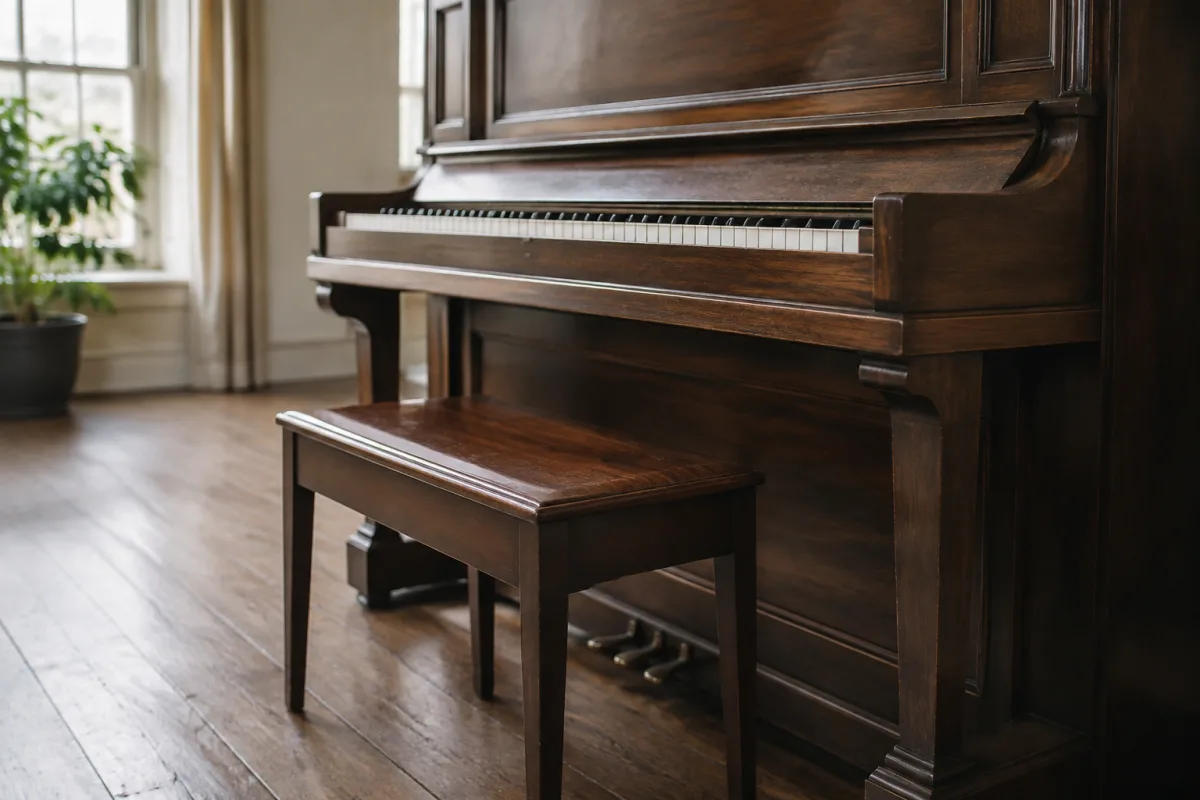
Selecting the right wooden piano stand is essential for both the sound quality and longevity of your keyboard instrument. A wooden piano stand provides essential support and can significantly influence your playing experience and the acoustic properties of your piano. Understanding the key factors—from wood type and weight capacity to stability, dimensions, and construction quality—ensures you find a wooden piano stand that meets your needs without compromising your instrument or environment. This buyer's guide walks you through the critical considerations when purchasing a wooden piano stand.
Understanding Wooden Piano Stand Weight Capacity
Weight capacity is paramount when choosing a wooden piano stand. Pianos vary dramatically in weight: upright pianos typically weigh 300–500 kg, whilst grand pianos range from 450 kg to over 1000 kg depending on size. Your wooden piano stand must safely support your specific piano's weight with a comfortable safety margin. Quality wooden piano stand manufacturers clearly specify maximum load ratings. Always verify that the wooden piano stand you're considering exceeds your piano's weight by at least 10–20%. Undersized wooden piano stands risk structural failure, potential damage to the piano, and personal injury. Heavy pianos demand robust wooden piano stands with reinforced construction and solid base frames.
Wood Type and Durability in Wooden Piano Stands
The wood species used in a wooden piano stand directly affects its durability, appearance, and price. Hardwoods like oak, maple, and walnut are popular for quality wooden piano stands, offering superior strength and attractive aesthetics. These hardwoods resist warping and maintain structural integrity over decades. Softwoods like pine cost less but are prone to warping, splitting, and sagging under piano weight, making them unsuitable for anything other than lightweight digital keyboards. Premium wooden piano stands often use kiln-dried hardwood to eliminate moisture and reduce movement. When selecting a wooden piano stand, inspect the wood for grain consistency, tight construction, and finish quality. Solid wood wooden piano stands outlast veneered options, though high-quality veneered wooden piano stands over stable core materials can be adequate for home use.
Stability and Base Design Features
A stable base is critical in a quality wooden piano stand. Look for wooden piano stands with a wide, substantial base frame—typically extending near the full width of the piano. Wooden piano stands with wider bases distribute weight more evenly and resist tipping or movement during playing. Cross-bracing or triangulation in the structure of wooden piano stands adds rigidity. Feet should be sturdy, even, and ideally include levelling mechanisms or felt pads that protect flooring whilst preventing sliding. Test the wooden piano stand's rigidity by applying gentle pressure to the top surface; minimal flex or wobbling indicates solid construction. Four-point or tripod base designs are less stable than four-legged rectangular frames, so prioritise rectangular wooden piano stands with substantial corner reinforcement.
Dimensions and Fit Considerations
Proper dimensions ensure your wooden piano stand accommodates your specific instrument. Measure your piano's width, depth, and overall footprint before purchasing a wooden piano stand. The wooden piano stand should be slightly narrower than or precisely matching your piano's width to avoid overhang that looks unbalanced. Height is also critical: most upright pianos perform well on wooden piano stands that position the keyboard at a comfortable playing height—typically 70–75 cm from the floor to the keyboard surface. Grand piano wooden piano stands vary significantly in height; check manufacturer specifications to ensure proper alignment. Some wooden piano stands feature adjustable height mechanisms, offering flexibility if you have multiple instruments or anticipate changes. Depth considerations matter too: the wooden piano stand must not be so deep that the rear of the piano overhangs or contacts the wall.
Construction Quality and Joinery
The quality of joinery—how the wooden piano stand is assembled—determines its longevity and performance. Premium wooden piano stands employ mortise-and-tenon joints, dowels, or corner blocks that create rock-solid connections. Budget wooden piano stands sometimes rely on simple nails or screws, which loosen over time and compromise stability. Examine how the top platform is attached to the frame: strong wooden piano stands use multiple fastening points and internal reinforcement. Check for gaps between joints; tight, seamless connections indicate quality craftsmanship in a wooden piano stand. Inspect the finish for any evidence of warping, splitting, or uneven settling that suggests poor construction or dried-out wood. Quality wooden piano stands are built to last decades under continuous use without degradation.
Price Tiers for Wooden Piano Stands
| Wooden Piano Stand Category | Price Range (GBP) | Best For |
|---|---|---|
| Entry-Level Wooden Stand | £150–300 | Lightweight digital keyboards, practice pianos; basic construction with softwood or budget hardwood |
| Mid-Range Wooden Piano Stand | £300–800 | Standard upright pianos; solid hardwood construction with good stability and finish quality |
| Premium Wooden Piano Stand | £800–2000 | High-end upright pianos; exceptional wood quality, fine joinery, acoustic optimisation |
| Concert/Grand Piano Stand | £1500–5000+ | Grand pianos in professional settings; bespoke designs, premium materials, maximum stability |
| Custom Wooden Piano Stand | £2000–10000+ | Bespoke requirements; handcrafted to exact specifications for rare pianos or special installations |
Acoustic Considerations
The wooden piano stand influences your piano's acoustics. A rigid wooden piano stand minimises unwanted resonance and allows the piano's natural tone to project clearly. Some premium wooden piano stands feature acoustic design optimisations—specific bracing patterns or materials that enhance tonal clarity without artificially amplifying or dampening sound. Avoid wooden piano stands with hollow spaces or poor internal bracing, which can create undesirable resonances. Test the wooden piano stand by playing your piano and listening for clarity and natural tone. A quality wooden piano stand should be acoustically neutral, supporting rather than colouring the instrument's sound. Professional tuners and pianists often have preferences regarding wooden piano stands that complement specific pianos acoustically.
Common Pitfalls When Buying a Wooden Piano Stand
Several mistakes compromise wooden piano stand purchases. Underestimating weight capacity is dangerous; never force an instrument onto a wooden piano stand rated for lighter loads. Choosing softwood wooden piano stands for heavy pianos leads to sagging and failure. Overlooking dimensions results in overhang, instability, or awkward spacing. Ignoring construction quality means the wooden piano stand may deteriorate quickly, compromising your piano's support and your playing experience. Purchasing an aesthetically beautiful but structurally weak wooden piano stand satisfies the eye whilst failing the instrument. Failing to verify that the wooden piano stand matches your flooring—particularly important for hardwood floors—risks damage. Always prioritise structural integrity and safety over purely aesthetic considerations when selecting a wooden piano stand.
Where to Purchase and What to Inspect
Purchase wooden piano stands from specialist piano retailers, furniture makers, or reputable online piano suppliers. Established retailers often provide delivery and setup services, ensuring your wooden piano stand is properly positioned and levelled. When buying in person, inspect the wooden piano stand physically: check for solid construction, level feet, and evidence of quality craftsmanship. Ask about warranties; quality wooden piano stand manufacturers often guarantee their work for years. Online purchases require detailed photographs and specification confirmations. Request information about weight capacity, wood type, dimensions, and shipping/installation. Some wooden piano stand retailers offer custom options if standard models don't suit your needs.
Conclusion
Selecting a wooden piano stand requires careful attention to weight capacity, wood quality, stability, dimensions, and construction integrity. Understand your piano's weight and choose a wooden piano stand with adequate capacity and a wide, stable base. Prioritise hardwood construction with quality joinery over aesthetics alone. Verify dimensions to ensure proper fit and acoustic performance in your space. Inspect the wooden piano stand physically or request comprehensive photographs and specifications before purchasing. Avoid common pitfalls like undersizing, poor material choices, and neglecting construction quality. Purchase from reputable dealers who stand behind their products and can advise on your specific needs. For deeper understanding of what makes your piano special, explore the complete guide to wooden piano stand to learn about the role of support structures in piano performance and care. With informed decision-making, you'll find a wooden piano stand that safely supports your instrument and enhances your playing experience for years to come.


Comments