
Stool Drum article
The Complete Guide to Stool Drum
A quality drum stool provides comfort, stability and proper positioning for effective drumming. Discover the features that matter and how to choose a drum stool that supports hours of practice and performance.
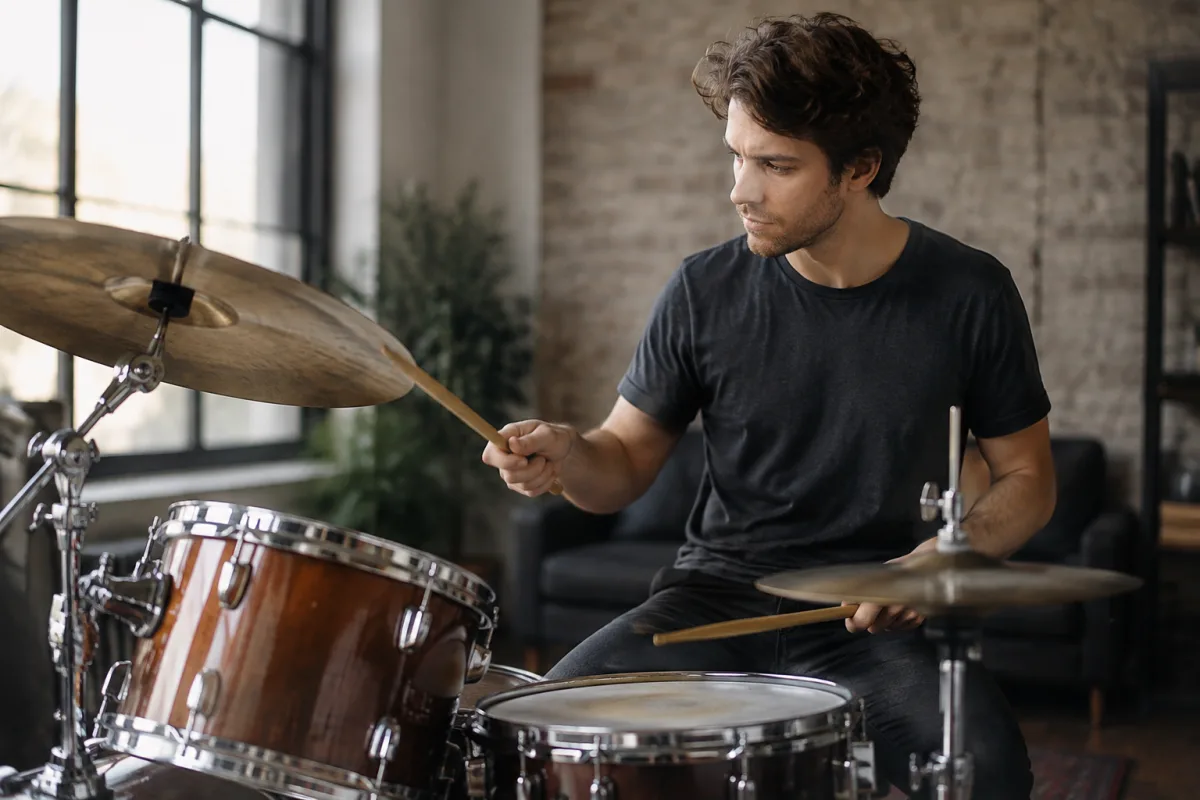
A drum stool is a critical piece of percussion equipment that directly affects your playing comfort, technique and endurance. Often overlooked in favour of flashier drum components, a quality drum stool supports your body, maintains proper posture and prevents the physical fatigue that compromises performance. Whether you're a beginner learning basic rhythms or a professional recording or touring drummer, choosing the right drum stool matters profoundly for your musical development and long-term physical health.
Why Drum Stool Quality Matters
Drummers spend extended periods seated at their kits, sometimes for hours without break during rehearsals, recording sessions and performances. Poor seating quickly leads to back pain, hip discomfort and the posture compromise that undermines technical execution. A quality drum stool provides the foundation for proper playing technique, allowing your arms and legs to work efficiently from a stable, comfortable base.
Professional drummers recognise that their drum stool impacts their playing as significantly as the drums themselves. The right seating height, stability and padding directly influence your double bass technique, coordination and overall performance quality.
Key Features of Quality Drum Stools
When selecting a drum stool, these features significantly influence your playing experience:
- Height adjustment — A quality drum stool offers smooth, reliable height adjustment covering the range needed for different player sizes and playing styles.
- Seat construction — Thick padding (at least 2 inches) with durable upholstery prevents discomfort during extended playing sessions.
- Base stability — A sturdy three- or four-legged base with wide stance prevents wobbling or shifting during dynamic playing.
- Swivel capability — Smooth 360-degree rotation allows you to access all drums and cymbals without repositioning your stool.
- Build quality — Heavy-duty metal construction and reinforced welds withstand years of regular use.
- Portability — Reasonable weight and compact storage dimensions aid transport between venues.
- Ergonomic design — Slightly rounded or contoured seats encourage proper posture over extended sessions.
Types of Drum Stools
Different drum stool designs suit various playing environments and preferences:
| Drum Stool Type | Best For | Key Advantage |
|---|---|---|
| Throne with backrest | Extended sessions, recording | Lumbar support reduces back strain |
| Standard three-legged throne | Gigging and touring | Lightweight and portable |
| Heavy-duty four-legged throne | Studio use, home practice | Maximum stability and comfort |
| Saddle-style seat | Double bass players | Optimised for leg independence |
Proper Drum Stool Height and Positioning
Correct drum stool height is fundamental to proper technique. Your thighs should be roughly parallel to the floor or angled slightly downward (about 10 degrees), with your feet flat on the ground or on a foot rest. This positioning puts your hands at the proper height for accessing all kit components whilst maintaining relaxed shoulders.
A drum stool that's too low forces you to reach upward, creating shoulder tension and limiting your dynamic range. Too high puts excessive pressure on your legs and prevents your feet from engaging the pedals properly. The right drum stool height balances all these considerations, enabling ergonomic, efficient playing.
Comfort for Marathon Practice Sessions
During lengthy practice sessions and recording work, seat comfort becomes paramount. Insufficient padding leads to numb sitbones and lower back pain that forces frequent breaks. A quality drum stool with generous, high-density padding allows multi-hour sessions without discomfort breaking your concentration.
Seat design also matters. A slightly contoured surface distributes pressure more evenly than flat seating. Some drummers prefer memory foam padding that molds to your body, whilst others favour traditional high-density foam. Testing a drum stool before purchase helps ensure compatibility with your preferences.
Stability During Dynamic Performance
A stable drum stool becomes crucial when playing with power and movement. Double bass work, ghost notes and dynamic hand technique all create forces that test your seating stability. A drum stool that wobbles or shifts disrupts your focus and compromises technical execution.
Quality construction—heavy-gauge metal, reinforced welds and a wide base—ensures your drum stool remains rock-solid through the most demanding performances. This stability provides confidence to play with intensity without worrying about your foundation shifting.
Portability for Gigging Drummers
Many drummers transport their drum stool between rehearsal spaces and venues. A good gigging drum stool balances durability with reasonable weight and portability. Three-legged designs folding compactly into a gig bag suit travelling musicians, whilst still offering adequate support for performance.
Swivel adjustment mechanisms should be smooth and reliable, maintaining position without slipping during performance. Reinforced attachment points ensure your drum stool can withstand the rigours of regular transport and setup.
Choosing Your Ideal Drum Stool
Your ideal drum stool depends on how you use your drums. Home practisers benefit from stationary four-legged thrones with excellent padding and perhaps a backrest. Gigging drummers prioritise portability and reliability. Recording and session drummers value maximum comfort for extended sitting.
Consider your physical needs too. Drummers with back issues benefit from backrest support. Taller players need extra height adjustment range. Players preferring a lower, more athletic seating position need different options than those preferring higher, more relaxed positioning.
A quality drum stool is an investment paying dividends through improved playing, reduced fatigue and years of reliable support. Spending thoughtfully on your drum stool ensures you spend thousands of hours playing comfortably, supported by equipment worthy of your musicianship.


Comments