
Stand for Piano article
The Complete Guide to Stand For Piano
A quality piano stand positions your keyboard ergonomically, provides stability during performance and integrates seamlessly into your setup—an essential investment for comfortable, professional playing.
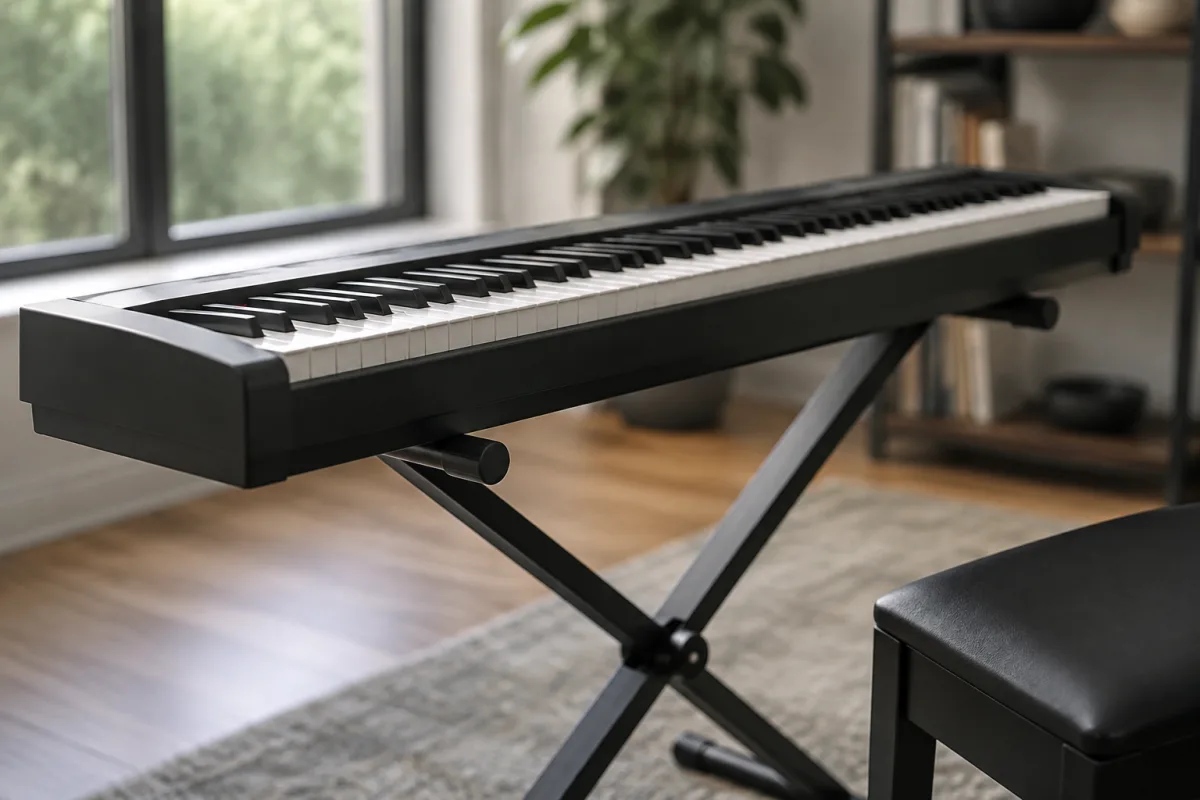
A stand for piano transforms an electronic keyboard or stage piano from a freestanding portable device into a professional, aesthetically integrated performance or studio setup. Unlike acoustic pianos, which sit on built-in solid frames, modern digital pianos require external stands to position the keyboard at comfortable playing height and provide stability during performance. Selecting the right piano stand affects playing posture, comfort during extended sessions, overall durability and the visual presentation of your instrument—considerations that professional keyboardists and home users alike should approach thoughtfully.
Types of Piano Stands
Piano stands come in several categories, each designed for specific use cases and instrument types. A basic keyboard stand—a simple metal frame with a single tier—holds entry-level electronic keyboards adequately but offers minimal stability for heavier, professional instruments. Mid-range keyboard stands feature dual-tier designs, providing separate levels for keyboard and optional equipment like synthesisers or controllers. Professional piano stands, engineered for stage pianos and weighted 88-key instruments, prioritise stability, durability and ergonomic positioning.
X-frame stands, named for their cross-braced design, are lightweight and portable, popular for gigging musicians who transport equipment regularly. Z-frame stands offer more substantial construction and stability, suitable for studios and permanent setups. Stageboxes and dedicated piano stands for specific instruments (like those designed for Yamaha or Nord pianos) provide optimised support and professional aesthetics.
Stand Height and Ergonomics
Playing height directly affects posture, comfort and technique development. A piano stand should position the keyboard at elbow height when you sit with arms relaxed—typically 72–76 centimetres from the floor for seated players. Incorrect height causes wrist strain, neck tension and technical difficulties that compound over months of practice.
Adjustable piano stands allow customisation to individual physiology. A tall player may require higher positioning than a shorter player. Stands with multiple height settings accommodate different users sharing the instrument—essential for family pianos or teaching studios where various students play throughout the day.
Beyond height, a quality piano stand positions the keyboard close enough for natural arm and wrist geometry. Stands that place the keyboard too far forward or too high force awkward posturing. Professional stands place the keyboard directly in front of the player, enabling proper technique development.
Stability and Weight Capacity
A piano stand must support its instrument without wobbling, rocking or movement during vigorous playing. Light entry-level keyboards might weigh 5–10 kilograms and need modest stands; professional weighted 88-key pianos weigh 30–50 kilograms and demand robust stands capable of handling significant weight and dynamic load during performance.
Weight capacity is typically specified in the stand's documentation. Choose a stand rated for at least the weight of your keyboard, preferably with safety margin—a 50-kilogram-rated stand should carry no more than 40–45 kilograms for comfortable stability. Wobbling or flexing indicates inadequate stand quality and risks instrument damage or personal injury.
Stability improves with wide base designs—stands with broad footprints provide superior stability compared to narrow, tall designs. Professional stands often feature cross-bracing, triangular support geometries, or weighted bases that prevent tipping even during vigorous playing or accidental contact.
Material and Construction Quality
Piano stands range from inexpensive plastic-and-aluminium combinations to professional-grade all-steel designs. Budget stands (£30–60) use thin gauge aluminium and plastic components; they're lightweight and portable but flex visibly under load and may not withstand years of heavy use.
Mid-range stands (£60–150) typically combine heavier gauge steel framing with aluminium components, offering strength without excessive weight. Professional stands (£150–400+) employ premium steel throughout, precision welding, adjustable dampers and support systems that eliminate any movement or rattle during performance.
Materials also affect aesthetic integration with your keyboard. Sleek black stands complement modern digital pianos perfectly. White stands suit different aesthetics. Wood stands, less common but available, integrate into acoustic environments more naturally than metal frames.
Portability vs. Permanence
Your stand choice reflects your expected use. Touring musicians require lightweight, quick-setup stands—X-frame designs, often under 10 kilograms, set up in seconds and fit easily into vehicle cargo spaces. These stands sacrifice some stability and adjustability for portability.
Studio musicians and teachers benefit from heavier, more stable stands with extensive adjustability. A permanent setup accepts the added weight in exchange for optimised ergonomics and rock-solid stability. Many professionals use wheeled keyboard stands, combining stability with easy repositioning when not in use.
Multi-Tier Stands and Equipment Integration
Performers using multiple keyboards, synthesisers, or controllers often benefit from multi-tier piano stands. A double-tier stand positions two instruments at optimal heights simultaneously, enabling switching between keyboards during performances without repositioning. Triple-tier designs accommodate complex setups with keyboard, synthesiser and additional controllers.
Some professional stands integrate shelving for audio interfaces, monitor speakers or effects units. These integrated systems reduce equipment footprint and create cohesive, organised performance rigs. Modular stands allow customisation—adding tiers and shelves as your setup evolves.
Brand Considerations and Reliability
Established keyboard stand manufacturers—including Yamaha, Roland, Quik Lok and K&M (König & Meyer)—offer reliably engineered products with professional-grade durability and support. These brands' stands appear in touring rigs, recording studios and professional venues worldwide.
Budget brands and generic stands sometimes deliver acceptable performance but may feature poor welds, unstable geometry or material failures after years of use. The difference in cost between a £60 generic stand and a £120 professional-grade equivalent often proves worthwhile over the stand's lifetime—professional stands frequently outlast the keyboards they support.
Accessories and Enhancement Options
Many piano stands accept aftermarket accessories: cable management systems keeping power and audio cables organised, additional shelving for storage, monitor monitor speaker mounts positioning active monitors at optimal listening angles, or sustain pedal attachments integrating foot controls.
Isolating pads underneath stand feet reduce vibration transmission to floors and reduce audible buzz. Dampers between stand components eliminate rattles and squeaks during performance. These refinements, often available separately, transform a basic stand into a polished professional rig.
Matching Stand to Instrument
Not all stands suit all keyboards. A lightweight stand for entry-level keyboards becomes unstable supporting a 45-kilogram stage piano. Conversely, a heavy-duty professional stand seems absurdly overengineered for a portable 6-kilogram synthesiser. Match your stand selection to your keyboard's weight, playing style and intended use.
If you plan future keyboard additions or upgrades, consider a stand with capacity for anticipated future instruments rather than the minimum needed for your current setup. This forward-thinking approach avoids replacing stands as your collection expands.
Conclusion
A quality piano stand is an unglamorous but essential investment in comfortable, professional keyboard performance. The right stand positions your instrument ergonomically, provides unwavering stability during playing, integrates with your equipment ecosystem and withstands years of use. Whether you're a bedroom hobbyist seeking basic support or a touring professional demanding bulletproof reliability, selecting a piano stand engineered for your specific keyboard and use case transforms the performance experience from frustrating wobbling instability to professional confidence and comfort.



Comments