


Bag Piano Buying guide
Bag Piano: A Complete Buyer's Guide
Choosing a bag piano depends on your keyboard size and protection needs. Our buying guide shows you what features matter and what to avoid.
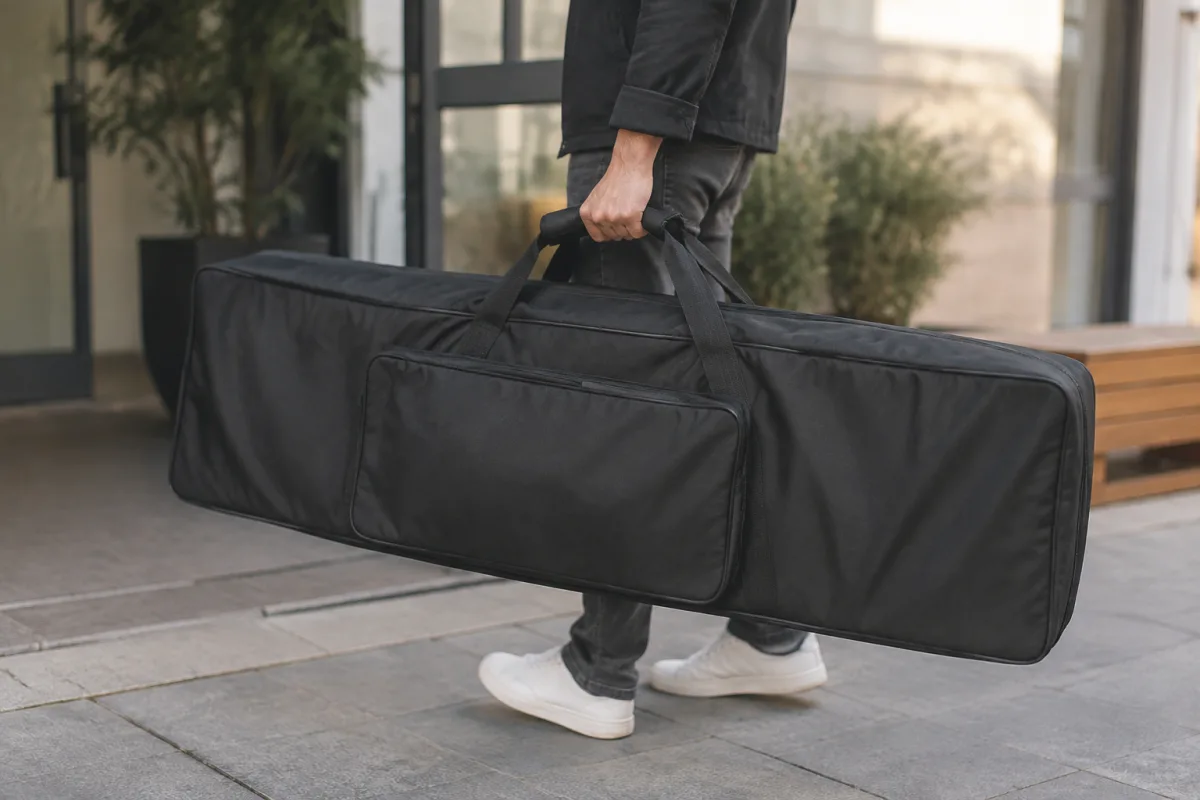
Choosing the right bag piano depends on your specific needs, travel frequency, and the value of your instrument. Whether you play keyboard at gigs, transport a digital piano regularly, or need a bag piano for travel, understanding what actually matters prevents regret and keeps your instrument protected. This buying guide cuts through the confusion and shows you exactly what to evaluate when selecting a bag piano.
Bag Piano Types: Understanding Your Options
The bag piano category includes several distinct types, each suited to different uses. Soft keyboard cases are padded bags designed for portable keyboards and digital pianos—lightweight and convenient. Hard cases offer superior protection for expensive instruments but weigh more and cost more. Gig bags balance protection and portability, perfect for musicians playing multiple venues. Electronic keyboard bags specifically fit typical electronic piano shapes. Choosing the right type of bag piano starts with knowing which category matches your situation.
Size Matching: The Most Critical Factor
A bag piano's effectiveness depends entirely on proper sizing. A 49-key keyboard bag piano differs dramatically from an 88-key option—mismatching size defeats the whole purpose. Measure your keyboard's length, width, and depth, then verify the bag piano dimensions before ordering. Too-large bags let your instrument shift during transport, creating damage risk. Too-small bags are impossible to use. Accurate measurement prevents this simple but costly mistake.
Protection Levels: Padding Thickness Matters
Not all bag piano options provide equal protection. Basic soft bags have minimal padding (5-10mm) and protect from dust and minor bumps. Standard cases offer thicker padding (20mm+) and protect from moderate impacts. Professional-grade bag piano cases have dense foam padding (30mm+) and protect from serious damage. Your purchasing decision should match your instrument's value and transport conditions. A £200 keyboard in a basic bag piano makes sense; a £2000 piano needs serious protection.
Handle and Carry Options: Practical Considerations
How you actually transport your bag piano matters daily. Some bag piano options include shoulder straps—useful for smaller keyboards but impractical for heavier instruments. Handles on the sides let you carry the bag piano like luggage. Wheels on the bottom (available on larger bag piano cases) prevent strain from heavy instruments. Assess your actual transport situation: do you walk distances with your bag piano, or load it directly into vehicles? The right carry option prevents injury and frustration.
Key Features to Compare When Buying
Beyond basic protection, several features affect bag piano usability and value:
- Internal organisation: Some bag piano designs include pockets for cables, music sheets, and accessories. Others are bare interiors. Organised storage keeps everything together.
- Water resistance: A good bag piano has water-resistant exterior material, protecting against weather and spills without requiring full waterproofing.
- Cable management: Quality bag piano cases include clips or straps for organising power cables and USB connections, keeping them untangled.
- Ventilation: Electronics generate heat. A bag piano with ventilation ports prevents moisture buildup inside during storage.
- Durability of zippers: Heavy-duty zippers on a bag piano last years; cheap zippers fail quickly. Check reviews specifically for zipper quality.
- Exterior material: Nylon bag piano options are lighter; polyester is tougher; canvas is heaviest but extremely durable.
Price Tiers: Understanding Value at Each Level
Budget bag piano options (£20-50) protect minimally and suit occasional home use. Mid-range bags (£50-150) balance protection and portability for regular gigging musicians. Professional bag piano cases (£150+) offer serious protection for expensive instruments and frequent touring. Heavy-use musicians investing in a bag piano should budget £100-200 for reliable protection. Cheap bag piano cases often fail—zippers break, padding compresses, handles tear. Spending appropriately saves money over time.
Common Buying Mistakes When Selecting a Bag Piano
Learning from others prevents poor purchasing decisions. These are the mistakes people make buying bag piano solutions:
- Ignoring size compatibility: A bag piano that doesn't fit your specific keyboard is useless. Double-check dimensions before ordering.
- Prioritising price over protection: Cheap bag piano cases protect poorly. Your instrument's replacement cost far exceeds a quality bag piano investment.
- Assuming all padding is equal: Thin padding in a cheap bag piano compresses quickly. Quality foam in professional models lasts years.
- Overlooking weight when you need portability: A 5kg hard bag piano case matters if you walk with it daily. Choose soft cases for mobility or hard cases for storage.
- Buying oversized "one size fits all" bag piano: Universal cases work poorly for any specific instrument. Proper fit matters more than theoretical flexibility.
- Neglecting weather considerations: If you transport your bag piano outdoors frequently, water resistance becomes essential, not optional.
Testing Protection: What to Check Before Buying
When evaluating a bag piano purchase, test durability: squeeze the padding—does it compress and spring back, or flatten permanently? Check zippers—do they move smoothly? Inspect stitching—are seams reinforced at stress points? Look inside—is internal padding glued securely or does it shift? A quality bag piano feels well-made immediately. Cheap bag piano options feel flimsy and suggest compromised protection.
Ventilation and Storage: Preventing Long-Term Damage
A bag piano sitting closed in humid conditions encourages mold growth and corrosion on electronics. Quality bag piano cases include ventilation. When storing instruments long-term, leave ventilation open or leave the bag piano partially unzipped. Include silica gel packs inside the bag piano to absorb moisture. This simple care extends instrument life dramatically.
For comprehensive information on all piano bag and case options, our complete guide to piano bags covers every style, brand, and protection level.
Your Purchasing Decision
Choosing the right bag piano comes down to honest assessment of your instrument's value, your transport frequency, and your budget. An occasional-use musician needs a different bag piano than a touring professional. An affordable instrument needs less expensive protection than a premium keyboard. Measure accurately, match the bag piano type to your keyboard, and invest appropriately. The right bag piano keeps your instrument safe for years of playing.


Comments