
Portable Electronic Keyboards article
The Complete Guide to Portable Electronic Keyboards
A portable electronic keyboard lets you create music anywhere. Discover what features matter and how to choose the right keyboard for composing, performing, or production.
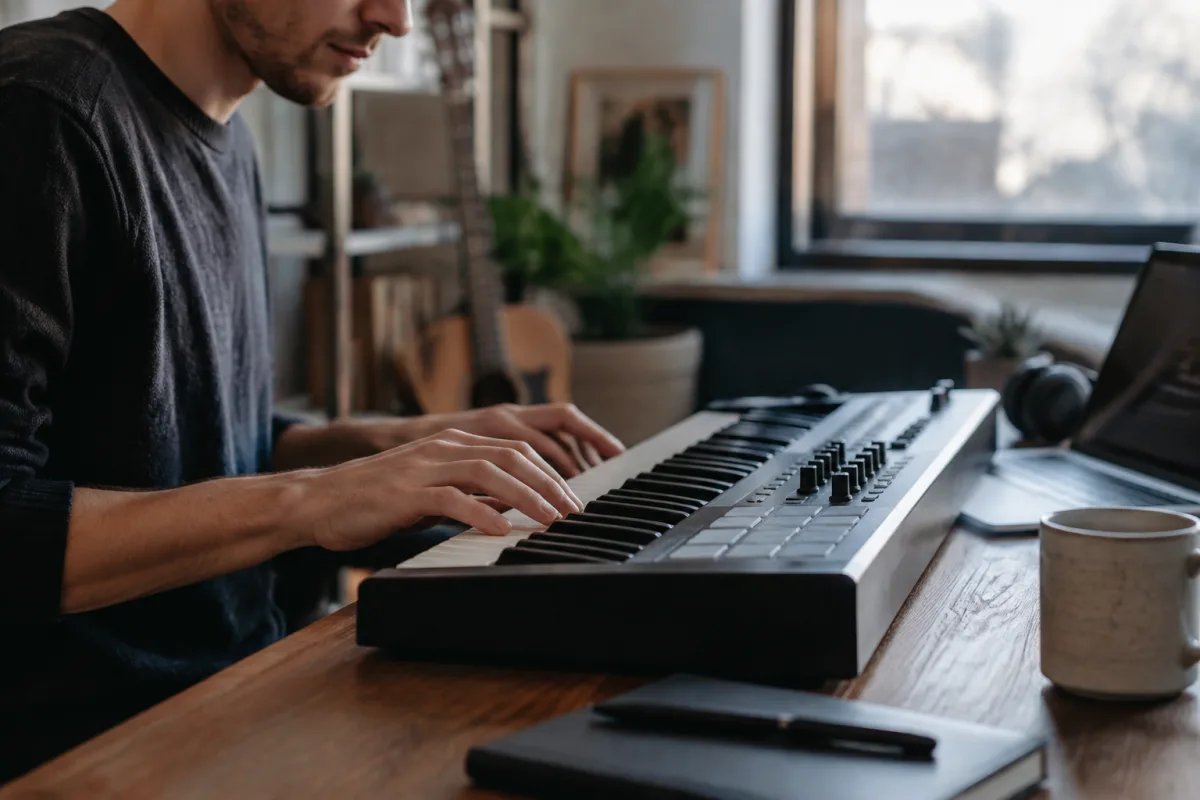
A portable electronic keyboard is a genuinely democratising piece of technology. A century ago, if you wanted to be a keyboardist, you needed access to a grand piano. Now? You can buy a keyboard weighing a few kilograms, plug it into a laptop, and have access to more sounds than any orchestral musician could dream of. The portable electronic keyboard has made music creation accessible to anyone with curiosity and a bit of budget. Let's talk about what makes one actually worth having.
The Appeal of Portable Electronic Keyboards
Portability is the obvious draw. You can compose, perform, and produce from a bedroom, a van, or a festival campsite. Weight matters—something under 5 kilograms travels easily; above 10 kilograms and transport becomes genuinely inconvenient. But beyond portability, modern keyboards offer sound quality that would have cost thousands of pounds a decade ago. Internal sounds are convincing, USB integration with your computer opens vast libraries of additional sounds, and MIDI connectivity means your keyboard becomes a control surface for recording software.
Key Features That Actually Matter
Keyboard action is crucial. Some portable keyboards use rubber pads; others have weighted 88-key actions that feel like a piano. Pads are faster and lighter but lack piano-like feel. Weighted actions take up space and weight but offer genuinely piano-like playing. For classical training or if you're transitioning from acoustic piano, weighted action matters. For electronic music production or casual playing, pads or unweighted action is perfectly functional.
Polyphony—the number of sounds you can layer simultaneously—matters more than marketing often suggests. 32 voices is entry-level; 64 is comfortable; 128 is excellent. Low polyphony sounds thin and cuts off notes when you're playing densely. Higher polyphony handles everything without constraint.
Sound quality varies wildly. Budget keyboards have thin, plasticky sounds; decent keyboards offer convincing reproductions of real instruments. USB or MIDI output lets you record directly to a computer, which is where most modern music creation happens. Built-in recording capacity is nice but less important than integration with your workflow.
Choosing Between Pad and Weighted Action
Rubber pad keyboards are lightweight, compact, and responsive for electronic music production. Keys don't require much force to trigger, and fast playing is genuinely quick. The trade-off is they don't feel like playing a piano. Weighted 88-key keyboards feel natural if you have piano training. They're heavier, more expensive, but offer that familiar piano experience. Most portable keyboards sit between these extremes: semi-weighted action that's lighter than full weighted but more substantial than rubber pads.
Sound Quality and Available Sounds
The onboard sound engine determines how usable the keyboard actually is. Budget models have thin, synthetic sounds. Mid-range keyboards offer decent piano, strings, and bass sounds that are genuinely playable. Premium models include sophisticated sound engines where each instrument category has multiple variations and genuine character. You're not supposed to pretend a budget keyboard is a concert grand piano—but you should be able to play it and not wince at the sounds.
USB connectivity to your computer opens vast sound libraries. Once plugged into a DAW (Digital Audio Workstation), your keyboard becomes a sophisticated instrument. That integration is where the genuine power lies, particularly if you're composing or producing music.
Physical Layout and Usability
A small keyboard might have only 25 keys—compact and ultra-portable but genuinely limiting for playing chords and melodies simultaneously. 61 keys is a sensible compromise between portability and playability. 88 keys is the full piano range, offering maximum flexibility but size and weight trade-offs. Consider what you actually need to play.
Build quality matters. Some portable keyboards feel fragile; others feel built to survive years of gigging. Plastic is fine, but solid plastic is better than thin plastic that flexes when you press keys. Check hinges, knobs, and connectors—these are where budget keyboards often compromise.
Power Options and Battery Life
Some keyboards run on batteries; others require USB power. Battery-powered keyboards offer genuine portability. USB-powered ones need either a computer connection or a separate power supply, which is less convenient but fine for stationary use. Battery life varies from 4 hours to 12 hours depending on the model. If you're busking or performing without access to power, battery life matters genuinely.
Integration with Your Workflow
For most modern musicians, the keyboard's value comes from what you do with it once it's connected to your computer. USB MIDI integration with recording software is essential. The keyboard becomes a control surface for your DAW, a sound engine in its own right, and a creation tool. This integration matters more than any single onboard sound.
The Honest Assessment
A good portable electronic keyboard removes every barrier to musical creation except learning to actually play. Budget well, prioritise features that matter to your actual work, and accept that onboard sounds are just a starting point. The magic comes from what you create with it once it's plugged in and ready to go. Portability democratises music-making; grab one that feels right and start playing.



Comments