
Yamaha Recording Console article
The Complete Guide to Yamaha Recording Console
Yamaha recording consoles deliver professional mixing capability. Discover models, features, and how to choose the right console for your studio.
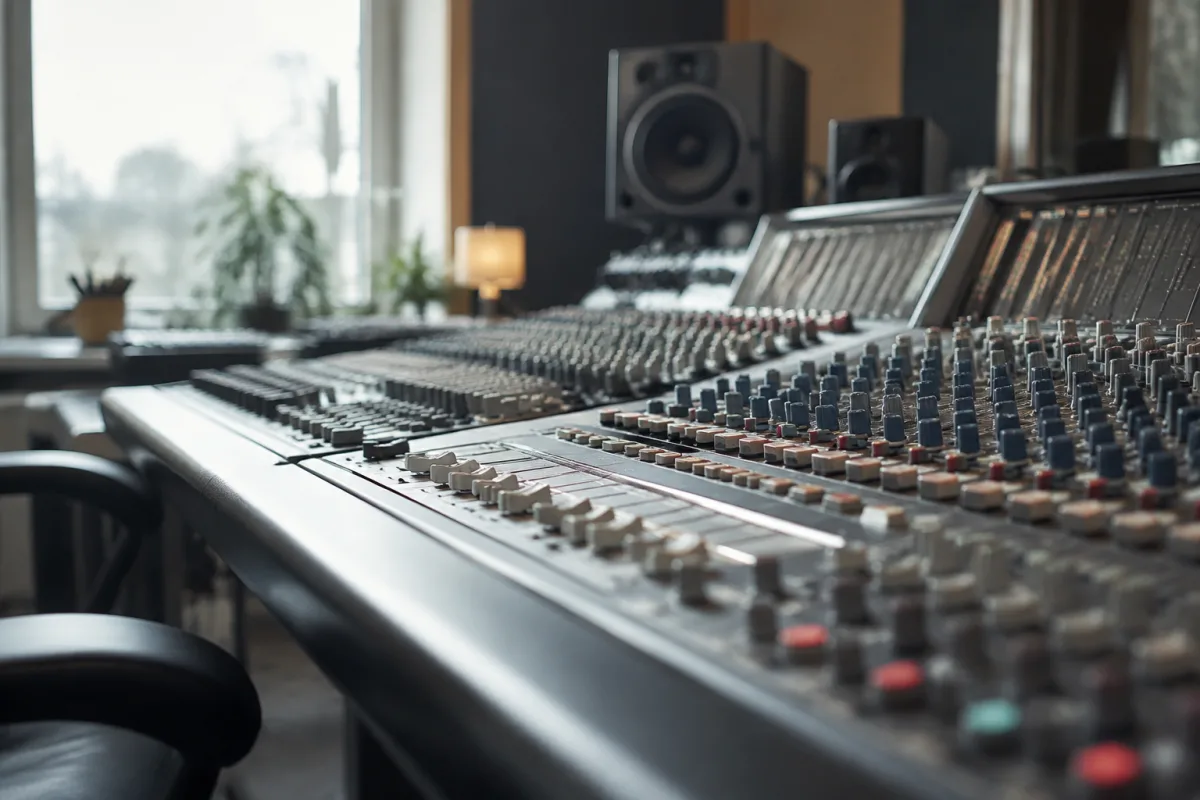
Yamaha recording consoles represent the pinnacle of professional audio mixing technology, from compact analogue consoles to cutting-edge digital systems that power studios worldwide. Whether you're setting up a modest home recording environment or managing a professional studio facility, Yamaha recording consoles deliver the reliability, sonic quality, and feature depth that professional engineers and artists have trusted for decades. This comprehensive guide explores what makes Yamaha recording consoles distinctive, the different models available, key features, and how to select the right console for your specific recording needs and budget constraints.
Yamaha's Legacy in Recording Console Technology
Yamaha has maintained a consistent presence in professional audio since the 1970s, earning respect through unwavering commitment to quality and innovation. Yamaha recording consoles combine Japanese engineering precision with features responding to real studio needs. This philosophy has created an ecosystem where many studios — from intimate project studios to elite facilities — trust Yamaha equipment managing their signal flow and mixing responsibilities.
The company's analogue console heritage established their reputation. Classic Yamaha recording consoles from previous decades remain functional in working studios worldwide, testament to superior construction quality. Simultaneously, Yamaha recording consoles have embraced digital technology whilst maintaining sonic integrity that digital platforms often sacrifice. This balance between heritage and innovation defines Yamaha's approach to console design.
Professional mixing engineers frequently choose Yamaha recording consoles based on workflow familiarity and sonic characteristics. When a mixing engineer specifies "book me time at a facility with a Yamaha PM5000 or equivalent," they're expressing genuine preference rather than mere brand loyalty. This distinction matters — it reflects earned trust through consistent excellence.
Yamaha Recording Console Models and Categories
Yamaha offers Yamaha recording consoles across multiple categories, from compact systems for smaller facilities to flagship models managing complex session requirements.
The PM series represents Yamaha's professional analogue and hybrid consoles. The PM5000, PM4000, and similar models deliver pure analogue signal paths prized by engineers valuing vintage aesthetics and warm, musical tone. These consoles employ high-quality preamps, transformers, and signal routing designed for sonic character alongside technical performance. Yamaha recording consoles in this category appeal to mixing engineers and studios prioritising tonal coloration and smooth harmonic distortion characteristics.
The CL and QL series represent Yamaha's professional digital consoles, designed for live sound, theatre, and sophisticated mixing applications. Digital architecture delivers flexibility impossible in purely analogue designs — automation, routing possibilities, recall capabilities that transform mixing workflow. Yamaha recording consoles in the digital category maintain sonic reputation despite electronic architecture, rare accomplishment in professional audio.
Compact and portable Yamaha recording consoles serve project studios and smaller facilities. The MG series and similar offerings provide honest, clean mixing capability at accessible price points. These aren't stripped-down professional consoles — they're purpose-built for specific applications, delivering exceptional value within their categories.
Signal Path Quality and Sonic Characteristics
Yamaha recording consoles distinguish themselves through signal path quality. Input preamps — the first electronic stage where weak microphone signals amplify — represent critical sonic foundation. Yamaha recording consoles employ high-quality preamp designs that transparently amplify without introducing noise or distortion. This transparency allows microphone character to shine without console coloration obscuring subtlety.
Fader design matters significantly in Yamaha recording consoles. Quality faders respond smoothly, maintain consistent resistance and feel throughout their range, and retain accuracy through years of use. Cheap consoles skimp on faders, creating frustration through inconsistent behaviour. Yamaha recording consoles employ premium faders reflecting long-term reliability and professional-level usability.
Routing flexibility and mix bus architecture define mixing possibilities. Yamaha recording consoles provide numerous subgroup options, matrix mixing capabilities, and auxiliary sends enabling complex mixing scenarios. This flexibility extends beyond technical capability into artistic possibility — the console becomes a tool enabling creative mixing approaches rather than limiting them through insufficient features.
Analogue versus Digital Yamaha Recording Consoles
Analogue Yamaha recording consoles deliver pure signal path without digital conversion. For purists, this matters profoundly — signal travels through transformers, resistors, and capacitors without ever becoming digital data. The result is sonic character many engineers prefer: smooth, musical tone with characteristics associated with vintage recording aesthetic.
Digital Yamaha recording consoles offer recall capability impossible in analogue domains — exact mixing snapshots saved and restored instantly. Automation possibilities extend infinitely; mixing approaches possible in digital environments — total console recall, complex automation curves, flexible routing — exceed analogue capabilities. Digital architecture provides tools that transform mixing from permanent commitment into iterative process.
Hybrid Yamaha recording consoles combine both paradigms. Analogue signal paths interface with digital control architecture, attempting to capture both sonic characteristics and workflow flexibility. These compromises occasionally satisfy nobody completely, though many engineers appreciate the balance between analogue warmth and digital convenience.
Features and Connectivity for Modern Studios
Modern Yamaha recording consoles integrate seamlessly with contemporary digital recording environments. USB connectivity, Dante networking, and MADI interfaces connect consoles to computers and outboard equipment. These connectivity options transform consoles into hub-devices where modern studios route signals efficiently.
EQ and dynamics processing built into Yamaha recording consoles vary across models. Professional-grade consoles incorporate high-quality channel EQ and dynamics processing; budget models sometimes limit these capabilities to preserve cost. Understanding your mixing philosophy matters — some engineers prefer mixing on the console; others prefer mixing in-the-box with external console purely for mixing environment and workflow.
Monitoring systems in Yamaha recording consoles deserve consideration. Quality monitoring allows accurate mixing decisions; poor monitoring creates mixing compromises that reveal themselves on playback. Professional Yamaha recording consoles provide sophisticated monitoring options, metering, and talkback capabilities supporting professional mixing workflow.
Selecting Your Yamaha Recording Console
Budget fundamentally constrains console selection. Professional Yamaha recording consoles cost £10,000-£100,000+ reflecting their capabilities and build quality. Smaller facilities benefit from compact Yamaha recording consoles at £2,000-£5,000, still delivering respectable quality. Rental options provide cost-effective access for project-based needs.
Intended applications matter significantly. Live sound applications benefit from digital Yamaha recording consoles with automation and flexibility. Mixing-focused studios might prefer analogue character and hands-on workflow. Specific needs should drive selection rather than brand prestige or arbitrary feature checklists.
Hands-on experience proves invaluable. Visit showrooms, spend time with prospective consoles, understand workflow implications. Different consoles encourage different mixing approaches; discovering which resonates with your aesthetic and workflow matters profoundly. The console you choose influences countless mixing decisions over its working lifetime.
Conclusion
Yamaha recording consoles represent serious investment in professional audio infrastructure, whether selecting compact models for modest project studios or flagship systems for sophisticated professional facilities. The combination of established reputation, diverse model range, sonic quality, and integration with contemporary digital workflows makes Yamaha recording consoles compelling choices across studio categories and budgets. Understanding the different model categories, signal path quality, and specific feature sets enables informed decisions matching your recording needs, aesthetic preferences, and budget constraints. From intimate project studios through major commercial facilities, Yamaha recording consoles continue earning trust through consistent excellence, innovative feature design, and sonic character that distinguishes professional mixing environments. Investing thoughtfully in Yamaha recording consoles transforms your recording capabilities and supports professional-quality mixing for years to come.


Comments