
Roland Electronic Piano article
The Complete Guide to Roland Electronic Piano
Roland electronic pianos blend authentic piano action with modern sound engines and connectivity. Professional features for performers, producers and pianists.
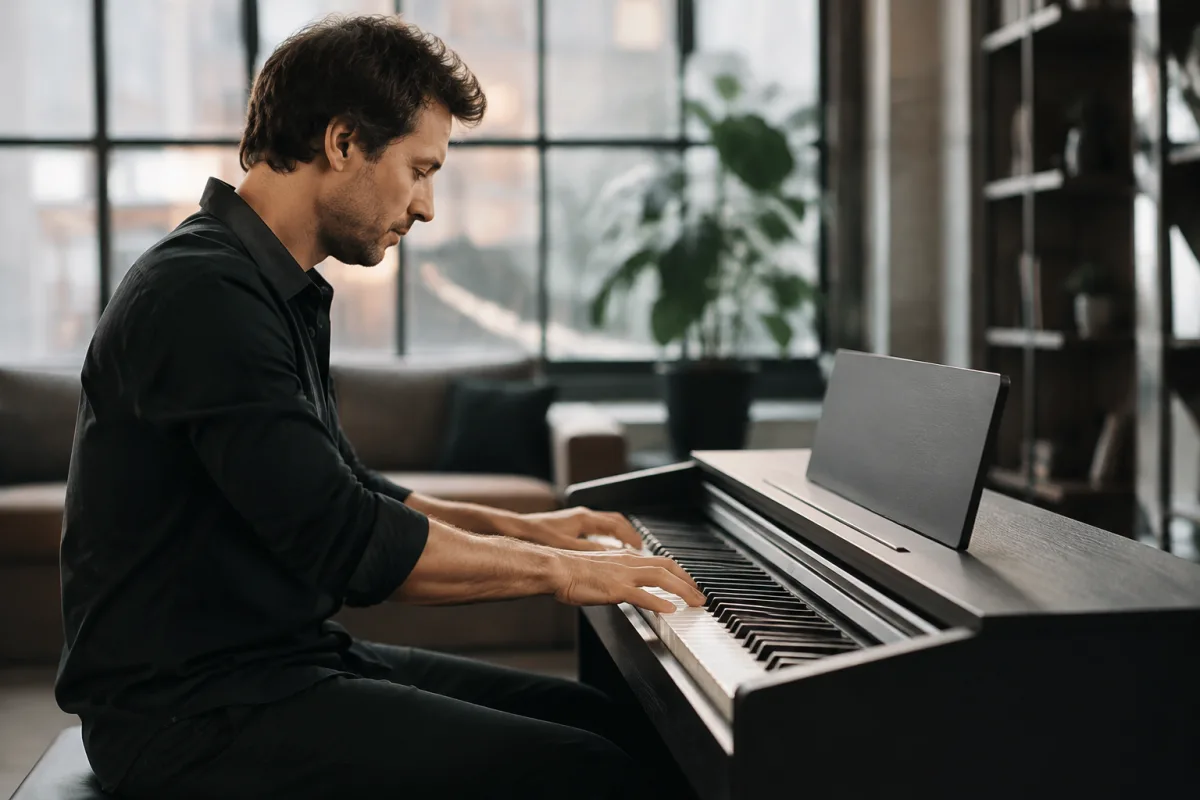
Roland Electronic Piano: Professional Sound and Performance Features
Roland electronic pianos combine authentic piano action with modern connectivity and sound engines, delivering studio-quality tone in portable packages. Whether you're a performer needing reliable stage gear, a producer seeking vintage electric piano character, or a serious pianist transitioning from acoustic instruments, a Roland electronic piano offers professional features at competitive price points. This guide covers Roland's product range, key features, and how to choose the right model for your musical needs.
Why Choose Roland Electronic Piano?
Roland has pioneered electric keyboard technology since the 1970s. A Roland electronic piano combines their expertise in weighted action design with advanced sound engine technology. The result is touch-responsive playability rivalling acoustic pianos, combined with extensive sounds (electric pianos, organs, strings) and modern connectivity (USB MIDI, wireless control). Roland's build quality and customer support are industry standards.
Roland Electronic Piano Series Overview
| Series | Key Features | Best For |
|---|---|---|
| FP Series | Portable, weighted keys, excellent action, extensive sounds. USB recording, built-in speakers. | Touring performers, home studios, travelling musicians |
| HP Series | Full-size console design, premium wooden keys, advanced sound engines, professional connectivity. | Recording studios, concert venues, serious home players |
| GO Series | Compact stage pianos with eight sound engines, Bluetooth wireless, extensive effects. | Contemporary keyboardists, producers, live performers |
| RD Series | Minimalist design, premium sampling, designed for electric piano enthusiasts and traditionalists. | Jazz musicians, session players, purists |
Weighted Key Action
A Roland electronic piano features PHA-50 or SuperNATURAL key mechanisms with wooden key material and individually weighted hammers. Striking a key produces resistance similar to acoustic piano—light playing sounds soft, aggressive strikes ring louder. This dynamic responsiveness is crucial for expressive performance and developing proper piano technique.
Sound Engine Technology
Roland uses advanced sampling and modelling for authentic piano tone. Their SuperNATURAL technology captures nuanced hammer strikes, string resonance, and damper effects. A Roland electronic piano includes not only acoustic pianos but also vintage electric pianos (Rhodes, Wurlitzer emulations), organs (Hammond B3), and contemporary synth sounds. Each voice is highly detailed and responsive to velocity and pedal input.
Connectivity and Performance Features
Modern Roland electronic piano models include USB-MIDI for DAW integration, Bluetooth wireless control, dual headphone outputs for performers with backing tracks, and expression pedal inputs. Some models offer eight individual sound layers for infinite customization. Stage models include built-in effects (reverb, chorus, effects), EQ, and scene switching for seamless live tone transitions.
Portability Options
FP Series models (portable stage pianos) weigh 30–35kg, fitting in vehicles and touring vans. HP Series consoles stay in studios or venues, weighing 80–120kg with furniture-grade aesthetics. Choose based on your lifestyle—gigging musicians prefer portability; studio and home players value the elegant presentation and expanded action of console models.
Price and Value
Entry-level FP Series: £800–1500. Mid-range HP Series: £2000–4000. Professional stage models: £3000–6000. Premium flagship models: £6000+. Roland offers excellent value—their weighted key action and sound quality exceed similarly-priced competitors.
Learning and Performance
A Roland electronic piano is ideal for pianists learning from acoustic instruments. The weighted key action doesn't damage technique development. Most models include 300+ sounds suitable for any genre, from jazz standards to contemporary ambient. USB MIDI integration lets you record performances into your DAW for further production.
The Bottom Line
A Roland electronic piano delivers professional performance capabilities, authentic piano action, and modern workflow integration. Whether you're recording albums, performing live venues, or practising at home, Roland's electronic pianos offer reliability and sound quality that inspire serious musicianship.


Comments