


Studiologic article
Studiologic for Beginners: A Complete Guide
Getting started with a Studiologic keyboard means understanding setup, factory presets and basic controls. This beginner guide helps you unbox, connect and play your first sounds confidently.
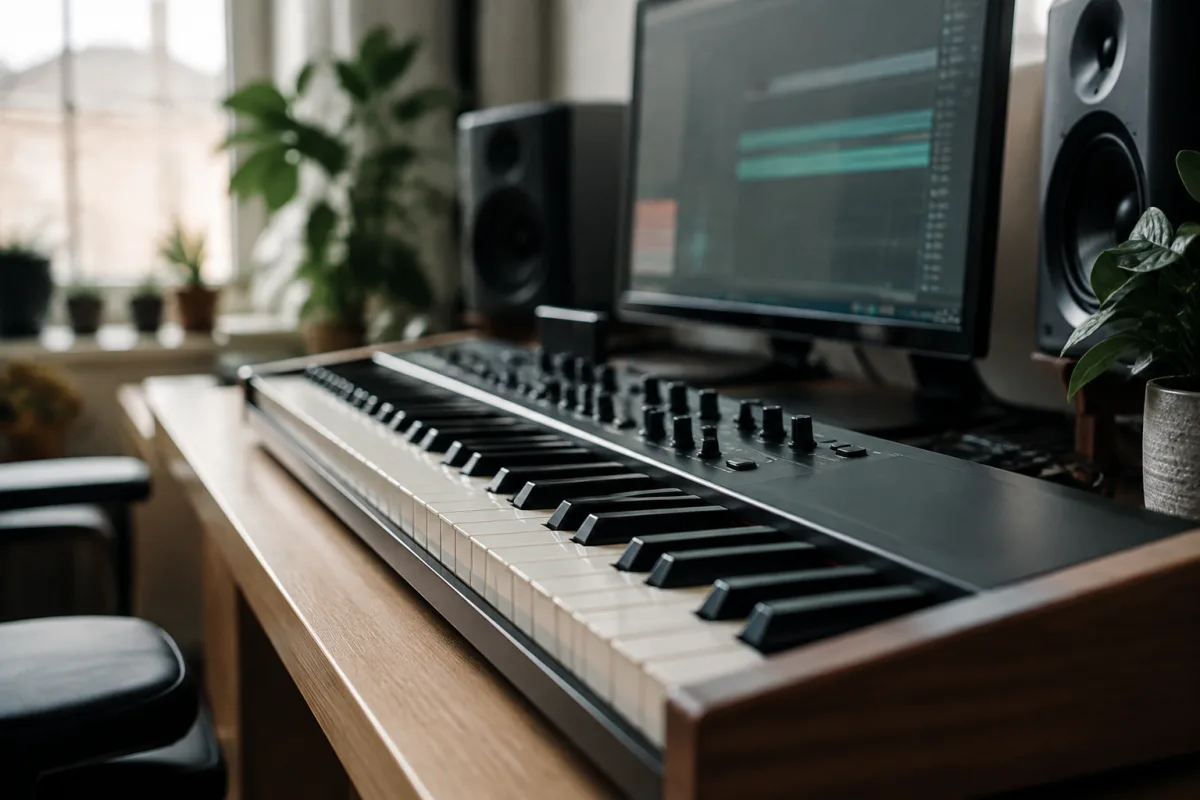
Getting started with a the brand keyboard can feel overwhelming if you are new to the brand or to keyboard instruments generally. The brand is known for high-quality mechanical keyboards and expressive controllers favoured by producers and performers. This beginner guide will walk you through setup, first sounds and the common features you will encounter, so you get comfortable and confident using your new instrument.
Unboxing and initial setup
When you first open your new keyboard, you will find the instrument, USB power cable (most models), and documentation. Before plugging anything in, check that all keys move freely from side to side and feel responsive. Press a few keys gently to ensure they return smoothly—this is normal. the mechanisms are precise and should feel smooth, never sticky or sluggish.
Connect the USB cable and wait for your computer to recognize the device. Most modern DAWs and music software detect these keyboards automatically. If not, visit the the brand website and download the latest driver for your model. Installation is usually a simple one-click process.
Understanding the control layout
These keyboards feature assignable controls—knobs, faders and buttons that you can program to do different things depending on your music software. As a beginner, do not worry about programming yet. Instead, explore what each physical control does out of the box. Press a knob and listen to how it affects a sound. Twist a fader and notice the change.
Most These models have velocity sensitivity built in—press a key softly and it plays quietly; press hard and it plays loud. This dynamic response mimics acoustic instruments and is one reason musicians love the brand keyboards. Spend time playing at different dynamics and get a feel for how the keyboard responds.
First sounds: exploring factory presets
Every the brand keyboard ships with factory presets—pre-programmed sounds designed to showcase the instrument's capabilities. Browse these presets by pressing the preset button or turning the data dial. Find a few sounds that appeal to you and spend time playing them. This helps you understand how the keyboard's dynamic touch and keyboard mechanics influence tone.
Do not get frustrated if some presets sound unfamiliar or strange at first. The brand excels at expressive control, and some presets are deliberately designed to respond dramatically to how hard or soft you play. This expressiveness is the beauty of the instrument—the more you play, the more personality emerges.
Connecting to your DAW
Whether you use Ableton, Logic, Reaper or another music software, your keyboard will appear as a MIDI input device. Open your DAW and configure the MIDI input to use the the brand. Then create a new track, enable the track to receive MIDI from your keyboard, and select a software instrument.
Play a few notes and you should hear sound from your DAW. If not, check your audio output settings—sometimes the DAW defaults to your laptop's built-in speakers instead of your monitor or headphones. Once audio is routing correctly, experiment with different software instruments to hear how the keyboard's expressive touch responds to various sounds.
Touch and dynamics: the the brand difference
One reason beginners choose the brand is the weighted mechanical keyboard action. It feels more like an acoustic piano than a standard music keyboard, teaching proper finger strength and control. As you explore your instrument, focus on how dynamics work—play the same note softly, medium and loud, and hear how the velocity changes the volume and tone character.
Use this dynamic response intentionally in your playing. Practice melodies with rising and falling dynamics. Record phrases at different dynamic levels to hear how expression shapes the overall musical performance. This skill, learned early with a quality keyboard like the brand, translates directly to better musicianship on any instrument.
Essential controls: octave shift, sustain and panic
Most the brand keyboards include:
- Octave shift buttons: Move the entire keyboard up or down by octaves so you can access higher or lower notes without moving your hands across the keyboard.
- Sustain pedal input: Connect a sustain pedal (often sold separately) to extend note length. This is transformative for expressive playing.
- All-notes-off button: Instantly silence all sounding notes if you need to stop playback. Useful when a note gets stuck.
- MIDI learn button: Allows you to assign hardware controls to specific software parameters. Skip this for now; master basic playing first.
Spend a week just exploring these controls before attempting to reprogram them. Understanding what each does out of the box is essential before customising.
Troubleshooting common beginner issues
No sound from the keyboard: Check that your DAW is set to receive MIDI from the correct input port. Confirm your audio output is routing to your speakers or headphones, not your laptop's tiny internal speaker.
Keys feel stiff or sluggish: This usually means dust or hair is interfering with the mechanism. Gently blow air into the gaps between keys. If it persists, contact the brand support—do not force the keys.
MIDI seems laggy or delayed: Lower your DAW's audio buffer size. A smaller buffer reduces latency. Experiment with settings (512, 256, 128 samples) to find the sweet spot between responsiveness and audio stability.
I am pressing keys but nothing plays: Make sure your DAW track has a software instrument loaded and is armed to receive MIDI from your keyboard. Confirm the the brand device is selected as the MIDI input.
Common beginner mistakes to avoid
Using an old or unsuitable sustain pedal: A cheap pedal may not register properly with your the brand keyboard. Invest in a quality pedal; the brand-compatible models are widely available and affordable.
Ignoring driver updates: Check the the brand website occasionally for driver updates. Updated drivers often improve stability and add new features.
Programming MIDI learn before understanding basic controls: Master the factory presets and default controls for at least a week before attempting to reprogram. You will program more effectively once you understand how the keyboard behaves.
Forcing stiff keys or damaged buttons: If something feels wrong, stop and contact support. Forcing components can cause permanent damage.
Building your the brand workflow
After your first week with a the brand keyboard, establish a simple daily routine: spend 15 minutes exploring different presets, 15 minutes playing melodies or chord progressions in your DAW, and 15 minutes recording short ideas. This balanced practice builds familiarity with the instrument, muscle memory for the keyboard action, and creative momentum.
As you grow comfortable, gradually explore the advanced features—MIDI mapping, custom presets, and expressive control programming. But do not rush. The foundation of relaxed, expressive playing is built on weeks of simple, confident practice.
Next steps and deeper learning
For a comprehensive overview of the brand keyboards, their sound design capabilities and role in modern production, read our complete guide to the brand, which covers the brand's history, different product lines and how to unlock advanced features.
Conclusion
Your first weeks with a the brand keyboard are about comfort and exploration, not mastery. Unbox it, connect it, browse the factory presets and play. Focus on the responsive touch and dynamic expression—these are why you chose the brand in the first place. Follow the tips above, avoid common pitfalls and give yourself time to adapt. By week four, you will be playing with confidence and discovering the expressive potential that makes the brand keyboards beloved by serious musicians.


Comments