


Korg Ms 2000 Buying guide
Korg Ms 2000: A Complete Buyer's Guide
The Korg MS 2000 is a capable semi-modular synthesizer. Learn what specs to evaluate, how to assess sound quality, condition concerns, and pricing when buying.
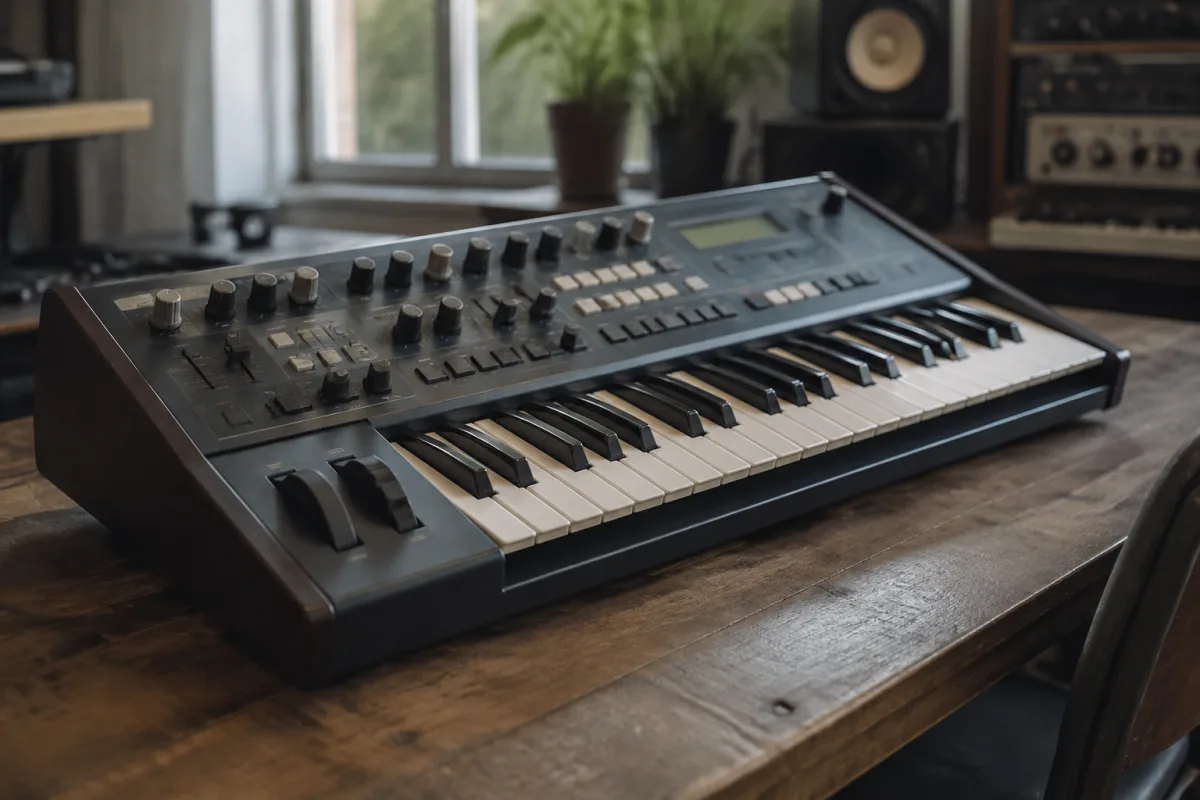
The Korg MS 2000 is a compact synthesizer that appeals to electronic musicians and production enthusiasts seeking something deeper than a basic keyboard but more portable than a full-size synth. Choosing the right Korg MS 2000 requires understanding synthesis capabilities, build quality, control layout, and how it fits into your creative workflow. This buying guide covers the specifications and practical factors that determine whether a Korg MS 2000 is the right instrument for your needs and budget.
Understanding the Korg MS 2000 Specifications
The Korg MS 2000 is a semi-modular synthesizer with both analog and digital processing capabilities. When evaluating a Korg MS 2000, start with fundamental specs: oscillator count, filter type, effects capabilities, and patch memory storage. A Korg MS 2000 typically features multiple oscillators with wave shape options, a resonant filter with modulation routing, and built-in effects for reverb, delay, and spatial processing.
Synthesis architecture matters significantly. The Korg MS 2000 offers a particular signal flow and modulation routing that either suits your sonic goals or doesn't. Spend time with the synthesizer to understand how parameters interact. Some musicians find the Korg MS 2000 immediately intuitive; others struggle with the control paradigm. Neither experience is universal — it depends on your synthesis background and what you're trying to achieve.
Memory storage is another critical factor. A Korg MS 2000 with limited patch memory might frustrate you if you create many variations. Check how many user-editable presets are available, whether the Korg MS 2000 supports MIDI data backup, and whether the synthesizer communicates with external sequencers and control systems.
Build Quality and Hardware Durability
The physical build of a Korg MS 2000 is crucial for long-term satisfaction. Korg has a solid reputation for durability, but manufacturing quality varies across production batches. Examine the Korg MS 2000's faders and knobs closely — they should be smooth and responsive, with no grinding or intermittent cutouts. Test every fader and button on the Korg MS 2000 you're considering. Any scratchy pots or unresponsive controls suggest either manufacturing defects or previous abuse.
The keyboard action on a Korg MS 2000 matters if you use it for real-time playing. Test the velocity sensitivity and aftertouch response (if the model includes these). The keys should feel solid and reliable, not plasticky or mushy. Check the MIDI inputs and audio outputs — connectors should be firmly seated, and there should be no loose jacks or corroded contacts.
The housing and casing deserve attention too. Any cracks, warping, or loose panels suggest transport damage or previous accidents. The Korg MS 2000's power supply should engage cleanly; listen for any unusual sounds when powering on. A quality Korg MS 2000 feels solid when you pick it up and sounds professional when you interact with its controls.
Sound Quality and Synthesis Capability
Play the Korg MS 2000 through monitoring equipment you know well. Create a few test patches — simple additive synthesis with modulation, some subtractive work, and a few effect-heavy sounds. Listen for clarity, tonal warmth, and whether the sound character matches your sonic vision. A Korg MS 2000 has a particular personality; the question is whether it suits your aesthetic.
Test the filter response and resonance. A musical Korg MS 2000 filter sweeps smoothly across frequencies and resonates without harshness. Test modulation sources and destinations to understand how deeply you can sculpt sound. Some musicians love the sound design possibilities of the Korg MS 2000 and find it endlessly inspiring; others find it limiting. Your ears will determine which camp you're in.
Effects quality matters. A Korg MS 2000 with mediocre built-in reverb or delay can still sound excellent if you route the signal through external effects. However, if you plan to use only the synthesizer's internal effects, evaluate them critically. They should sound professional and contribute meaningfully to the sound, not feel tacked-on.
Price Tiers and Value Assessment
Korg MS 2000 pricing varies significantly based on condition and age. Here's what to expect:
- £300–600: Used models with minor cosmetic wear and full functionality. Often great value if the synthesizer's sound character matches your needs.
- £600–1000: Excellent condition used units or newer reissues. This range typically offers the best balance of price and reliability.
- £1000–1500: Pristine condition, minimal use, or specialist variants. Primarily for collectors or those who prioritise new-like condition.
- £1500+: Limited editions, rare colour variants, or exceptionally well-maintained examples. More about rarity than inherent sound quality.
The Korg MS 2000 is primarily available as a used or vintage synthesizer since it's no longer in production. Korg's build quality means that older units often function flawlessly if maintained. Don't assume expensive necessarily means better — a well-cared-for £600 Korg MS 2000 often outperforms a neglected £1200 example.
Common Pitfalls When Buying a Korg MS 2000
Avoid these mistakes when evaluating a Korg MS 2000:
- Buying based on hype or nostalgia alone. The Korg MS 2000 has cult appeal, but it won't suit every musician or every production goal. Spend time with the synthesizer before committing.
- Neglecting full control testing. Every fader, knob, and button matters. Test everything on the Korg MS 2000 thoroughly. Used units can have stuck or scratchy controls.
- Assuming all examples sound identical. Component aging, calibration differences, and wear cause variation in Korg MS 2000 tone over time. Direct listening is essential.
- Ignoring connectivity requirements. Check that the Korg MS 2000 has the MIDI, sync, and audio connections your setup needs. Some productions require features the synthesizer lacks.
- Overlooking documentation and original boxes. A Korg MS 2000 with the original documentation, cables, and box is worth more and easier to resell. Condition matters for value retention.
New vs Second-Hand: A Korg MS 2000 Consideration
The Korg MS 2000 is no longer manufactured, so all options are essentially used or vintage. The question isn't new vs. second-hand, but rather condition and provenance. A well-maintained example from a single previous owner is preferable to a unit that's been heavily gigged or stored poorly. Buy from reputable synthesizer dealers when possible — they typically offer guarantees and have serviced the equipment.
When purchasing privately, ask detailed questions about the Korg MS 2000's history. Has it been gigged? How was it stored? Are there any known issues? Listen carefully for vague answers; direct questions deserve direct responses. If possible, have a qualified synthesizer technician do a pre-purchase inspection. The small investment in inspection is worthwhile insurance against a problematic Korg MS 2000.
Matching the Korg MS 2000 to Your Workflow
The best Korg MS 2000 purchase depends on your production style and creative goals. Electronic producers who emphasise sound design and experimentation love the synthesis architecture. Beat-makers who sequence external drums might find the Korg MS 2000 adequate but not essential. Those working with hardware modular systems often integrate a Korg MS 2000 into a larger patch. Consider how the Korg MS 2000 will actually be used in your workflow before committing. For a comprehensive overview of the Korg MS 2000 and its place in synthesizer history, check our complete guide to the Korg MS 2000.
Final Thoughts
Buying a Korg MS 2000 is an investment in a capable, characterful synthesizer with real vintage appeal. The best purchase is the one that sounds right to your ears, responds intuitively to your workflow, and is in condition that justifies the price. Spend time with the synthesizer, test every control, listen critically, and don't rush. A Korg MS 2000 that feels right the moment you power it on is worth the search. With proper maintenance, it will serve your productions faithfully for years.


Comments