
White Piano Digital article
The Complete Guide to White Piano Digital
White digital pianos offer elegant alternatives for musicians seeking instruments that complement modern home design. Discover quality options available today.
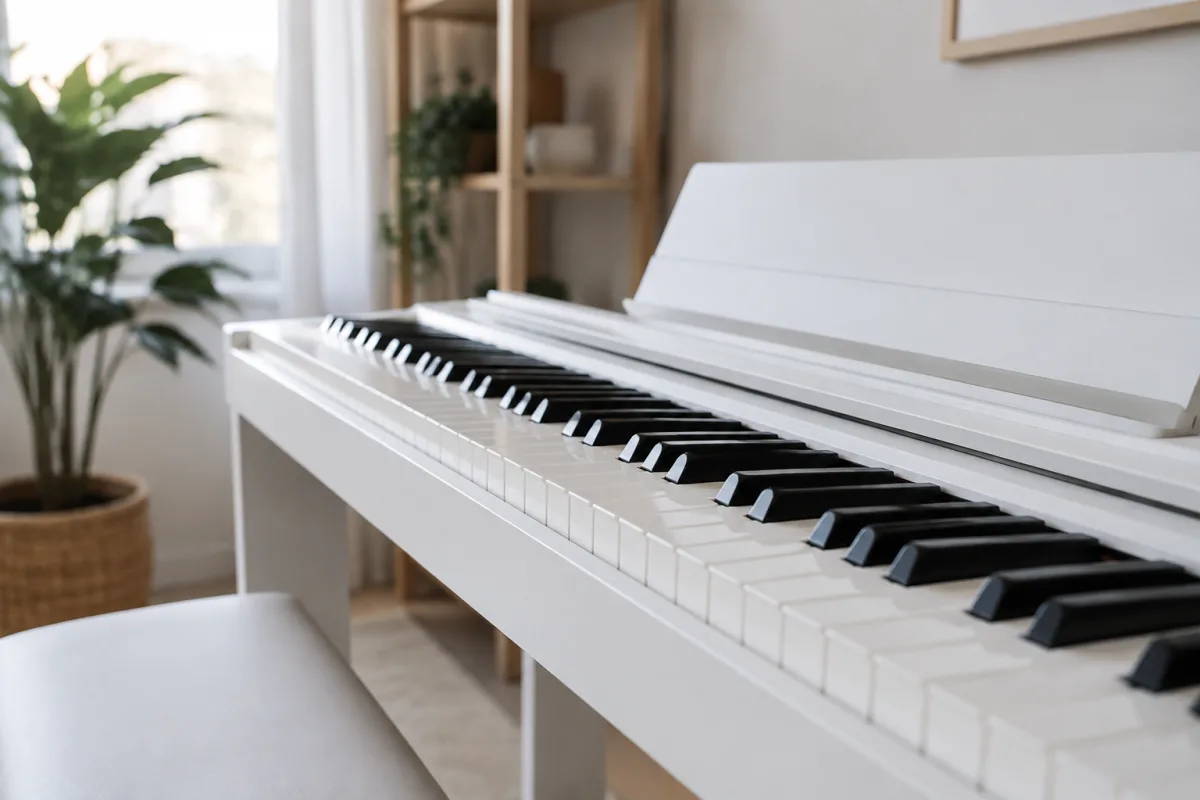
White digital pianos have emerged as increasingly popular choices for musicians seeking elegant instruments that complement contemporary home décor. Beyond their aesthetic appeal, modern white models deliver the sound quality and weighted keys essential for serious piano study and performance. For musicians balancing musical requirements with interior design considerations, a white digital piano offers a compelling solution that doesn't force aesthetic compromises.
The Appeal of White Digital Pianos
Colour significantly influences how instruments fit into living spaces. Traditional black keyboards dominated for decades, reflecting concert grand aesthetics and studio conventions. Contemporary manufacturers now offer white finishes that integrate beautifully with modern home designs, bright studio spaces and minimalist décor without sacrificing instrumental quality.
A white digital piano functions identically to black versions—the colour represents purely aesthetic preference rather than technical difference. This accessibility means musicians with space constraints or strong design preferences need not compromise on instrument quality. The range of available finishes means musicians can prioritise their environment alongside musical requirements.
Build Quality and Construction
Digital pianos combine wooden frames with electronic components creating hybrid instruments. White models typically use light wood construction or refined finish wood that accepts white staining without sacrificing durability. The wooden cabinet supports the keyboard assembly and weighted key mechanisms that simulate acoustic piano response.
Key weight—how much resistance the keys provide—matters significantly for piano playing development. Digital pianos with hammer action mechanisms provide weighted response mimicking acoustic pianos. White models at professional price points include this essential feature, ensuring that aesthetic choices don't compromise musical functionality.
Sound Quality Considerations
Modern digital pianos capture authentic piano sounds through sophisticated sampling technology. A white digital piano from reputable manufacturers delivers convincing grand piano tones, responsive to touch dynamics and pedal control. The cabinet's acoustic properties contribute to how sound projects, though electronic amplification means interior space acoustics matter less than with acoustic instruments.
Sound libraries within digital pianos increasingly resemble their black counterparts. A white model's piano voice quality depends on manufacturer investment in sampling and sound processing rather than cabinet colour. Premium white models include extensive high-quality sounds, effects and connectivity options comparable to black alternatives at similar price points.
Portability and Space Efficiency
Digital pianos offer advantages over acoustic instruments for space-conscious musicians. A white digital piano occupies less floor space than an acoustic grand whilst providing full eighty-eight key capabilities. This space efficiency without aesthetic sacrifice appeals to musicians in apartments and smaller homes where floor space limits acoustic piano placement.
Weight distribution in digital pianos means they can rest on purpose-designed stands rather than demanding substantial floor support. Many models include height-adjustable stands that position the keyboard at comfortable playing levels, allowing precise ergonomic adjustment impossible with heavier acoustic instruments.
Connectivity and Modern Features
Contemporary white digital pianos integrate USB and MIDI connectivity, allowing connection to computers and music software. This functionality suits recording musicians and those combining piano with digital production. Headphone outputs enable private practice without disturbing household members—particularly valuable in shared living spaces.
Touch screen interfaces and app connectivity transform digital pianos into sophisticated music tools. Recording capabilities, interactive lessons and performance analysis software extend functionality far beyond what traditional instruments offer. These features appeal to learners seeking technological support and musicians embracing digital production workflows.
Choosing the Right White Digital Piano
Budget determines available features and sound quality. Entry-level white models provide solid playability and decent tones at moderate prices. Mid-range options include better keyboards, more comprehensive sound libraries and enhanced connectivity. Professional-grade white digital pianos approach acoustic piano complexity and price.
Playing comfort requires trying multiple models. Key resistance, pedal feel and seating position all influence how naturally you can transfer playing skills from acoustic to digital instruments. Many retailers allow extended trials, enabling players to verify that specific white models meet their physical requirements.
After-sales support matters significantly with digital instruments containing complex electronics. Established manufacturers typically offer better warranty coverage, software updates and technical support than lesser-known brands. Choosing reputable manufacturers when selecting white digital pianos protects your investment.
White Digital Pianos in Different Settings
Music students benefit from white digital models that encourage regular practice through aesthetic appeal and modern conveniences. Instruments that invite rather than demand usage help establish consistent practice habits essential for musical development.
Recording musicians appreciate how digital pianos integrate with existing studio equipment. A white model's aesthetic consistency with modern recording spaces and its MIDI capabilities make it valuable studio tool alongside traditional recording instruments.
Conclusion
White digital pianos represent a genuine alternative for musicians unwilling to compromise between aesthetic preferences and musical quality. Modern manufacturing ensures that colour choice doesn't determine sound quality, functionality or build durability. Whether you're starting piano education, seeking a space-efficient alternative to acoustic pianos or simply preferring white finishes aesthetically, contemporary white digital pianos deliver the combination of quality, functionality and visual appeal that makes them compelling choices for modern musicians.



Comments