


Weighted Key MIDI Buying guide
Weighted Key Midi: A Complete Buyer's Guide
Weighted key MIDI keyboards simulate piano action resistance, essential for developing proper technique. This buying guide explains action types, specifications that matter, price tiers, and practical advice for selecting a keyboard matching your needs.
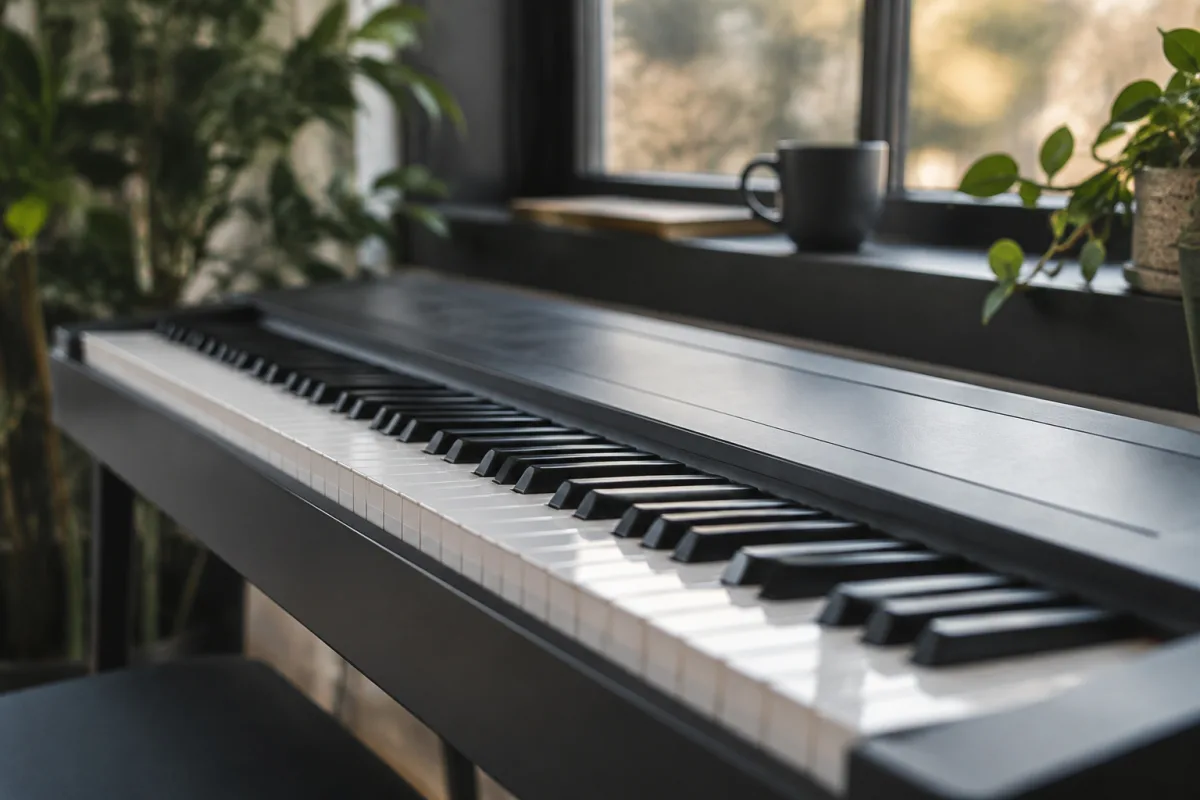
Weighted key MIDI keyboards simulate the hammer-action resistance of acoustic pianos, making them essential tools for pianists learning to play, composing new material, or integrating piano parts into electronic music production. Understanding what separates quality weighted action from mediocre alternatives prevents purchasing regrets and ensures your instrument grows with your musical development. This guide examines the specifications that define weighted action performance, price tiers across the market, and the practical considerations that differentiate worthwhile investments from misleading marketing.
Why Weighted Action Matters for Piano Learning
Unweighted keyboards—with plastic keys requiring minimal finger force—teach bad piano technique. Playing an unweighted keyboard doesn't develop proper finger strength, control, or the nuanced dynamic expression that defines expert piano playing. Weighted action replicates acoustic piano resistance, requiring genuine finger effort that builds technique transferable to any piano. If your goal involves playing acoustic pianos or developing classical technique, weighted action isn't optional—it's essential. Casual producers working exclusively in digital audio production might tolerate unweighted keys; serious pianists absolutely require weighted action.
Types of Weighted Action: Hammer, Semi-Weighted, and Graded
Hammer action mechanisms use spring-loaded hammers simulating the felt hammers inside acoustic pianos, providing the most authentic resistance curve. Semi-weighted keyboards employ springs providing resistance without actual hammer mechanisms—less authentic than true hammer action but vastly superior to unweighted. Graded action—heavier in the low keys, progressively lighter toward high keys—mimics real piano physics where lower strings require greater force to vibrate. Premium keyboards feature fully graded hammer action; budget models offer simpler ungraded weighting. For serious pianists, graded hammer action justifies higher cost; for casual players or music producers, semi-weighted alternatives deliver respectable results at lower prices.
Key Bed Materials and Long-Term Durability
Key beds constructed from wood (typically hardwood or plywood) feel more authentic and age gracefully. Plastic key beds cost less initially but can feel cheap and may develop creaky, inconsistent touch as materials degrade. Examine close-up video or hands-on testing of candidate keyboards; does the key bed feel solid or plasticky? Wooden key beds sometimes exhibit humidity-related sticking in certain climates, but this problem is manageable with basic climate control. Plastic key beds avoid humidity issues but may feel inferior and degrade faster with heavy use. Professional touring musicians prioritise wooden mechanisms; home studio users might accept plastic if budget is critical.
Key Count: 61, 76, or 88 Keys
88 keys spans the full range of acoustic pianos and is essential if you plan performing classical repertoire or teaching traditional piano technique. 76 keys covers most contemporary keyboard music, jazz standards, and pop arrangements, suiting most beginners and non-classical players. 61 keys accommodates portable setups and casual playing but restricts some classical and orchestral material. Budget constraints might force compromise—a quality 76-key weighted keyboard serves better than a mediocre 88-key option. However, if classical piano playing is your goal, commit to 88 keys; you'll outgrow 76-key instruments within a year or two of serious study.
Touch Response and Velocity Sensitivity
MIDI keyboards transmit how hard you strike keys as velocity data, controlling loudness and timbre of software instruments. Touch response—how accurately the keyboard maps finger dynamics to MIDI velocity—varies significantly across models. Cheap keyboards generate jumpy, non-linear velocity response where subtle finger variations don't translate smoothly to sound. Premium instruments provide smooth, predictable touch allowing genuine dynamic control. Test velocity response by playing soft, medium, and loud dynamics on demonstration units; the MIDI velocity curve should feel natural and responsive to your finger articulation. After-touch (dynamic response after a key is pressed) is bonus feature found on professional models, enabling real-time expression during held notes.
MIDI Connectivity and Computer Integration
USB connectivity is now standard, allowing direct MIDI communication with music production software without separate adapters. Some older or budget models use 5-pin MIDI connectors requiring external interfaces. Confirm your target keyboard includes USB MIDI connectivity; this simplification streamlines setup and reduces cable clutter. Wireless MIDI via Bluetooth is available on premium models but adds cost without substantial benefit for most players. Check compatibility with your specific DAW and operating system; most keyboards work with all major platforms (macOS, Windows), but verify before purchase if you're using specialised software.
Built-In Sounds and Onboard Capabilities
Budget keyboards often include dozens of instrument sounds—pianos, organs, strings, synths—tempting buyers expecting quality instrument libraries. In practice, onboard sounds on affordable keyboards are typically low quality compared to professional sample libraries available in music production software. Don't purchase based on the number or variety of built-in sounds; instead, assume you'll use external sounds from your DAW. Some weighted keyboards focus exclusively on MIDI control, including minimal sounds; this design philosophy often results in better key mechanism quality at lower price. Others balance weighted action with respectable onboard sounds. Prioritise action quality over sound variety when choosing.
Sustain Pedal and Expression Control
A proper sustain pedal—replicating acoustic piano pedal behaviour—is essential for any weighted keyboard used for serious playing or composition. Budget models sometimes include plastic, unresponsive pedals feeling cheap and failing quickly. Premium keyboards include proper three-pedal mechanisms (sustain, soft, sostenuto) matching acoustic piano layout. If your candidate keyboard's pedal feels insubstantial or omits three-pedal functionality, plan to purchase an external pedal afterward. Factor this cost into your purchasing decision; a quality sustain pedal adds £50–£150 to total investment.
Price Tiers and Realistic Budget Planning
Entry-level weighted MIDI keyboards (£300–£800) offer basic hammer or semi-weighted action suitable for casual players and beginners. Mid-range options (£800–£2,000) provide graded hammer action, quality wooden key beds, and respectable onboard sounds alongside strong MIDI integration. Professional-grade keyboards (£2,000–£6,000+) feature advanced graded hammer actions rivalling expensive stage pianos, premium build quality, and extensive connectivity options. For serious piano students, mid-range investment (£1,200–£1,800) offers genuinely good graded weighted action without professional studio pricing. Budget-constrained beginners should prioritise action quality over key count—a 76-key weighted keyboard serves better than an 88-key unweighted alternative.
Weighted Action Common Purchasing Mistakes
Don't assume expensive keyboards automatically play better; some mid-range models offer superior action to poorly designed premium alternatives. Never purchase based on built-in sounds; focus on action quality and MIDI integration instead. Avoid unweighted keyboards for piano learning; the money saved becomes false economy when poor technique limits musical development. Don't overlook the importance of hands-on testing—weighted action feel is personal, and some people prefer slightly lighter, quicker action whilst others want authentic heavy resistance. No specification sheet captures this preference; you must play candidate keyboards yourself.
Testing and Personal Fit
Before committing to a significant weighted keyboard purchase, spend time playing several models at music retailers. How does the action feel under your specific hands? Does the key bed resonate authentically or feel plasticky? Does velocity response feel natural or clunky? Some people find certain weight profiles fatiguing after hours of playing; others crave heavier resistance. Renting before purchasing is sometimes possible for expensive models—worth investigating if significant budget is at stake. Your personal compatibility with a keyboard's feel often matters more than published specifications.
Learning More About Weighted Key MIDI
For comprehensive technical information on weighted key MIDI keyboards and their mechanisms, read our complete guide to weighted key MIDI keyboards. That resource covers keyboard types, action mechanisms, and applications across different musical contexts.
Making Your Investment
Choosing a weighted key MIDI keyboard requires balancing action quality, key count, price, and personal feel preferences. Prioritise graded weighted action over keyboard count or built-in sounds; your hands will develop better technique and enjoy playing more with superior key mechanics. Test multiple models if physically possible, prioritising personal fit over specifications or brand reputation. A thoughtfully chosen weighted keyboard becomes the foundation of your digital piano playing for years, supporting learning, composition, and professional work.


Comments