
Starter Piano Songs article
The Complete Guide to Starter Piano Songs
Choosing the right starter piano songs keeps beginners motivated and progressing. Master these foundational pieces to build confidence and technique.
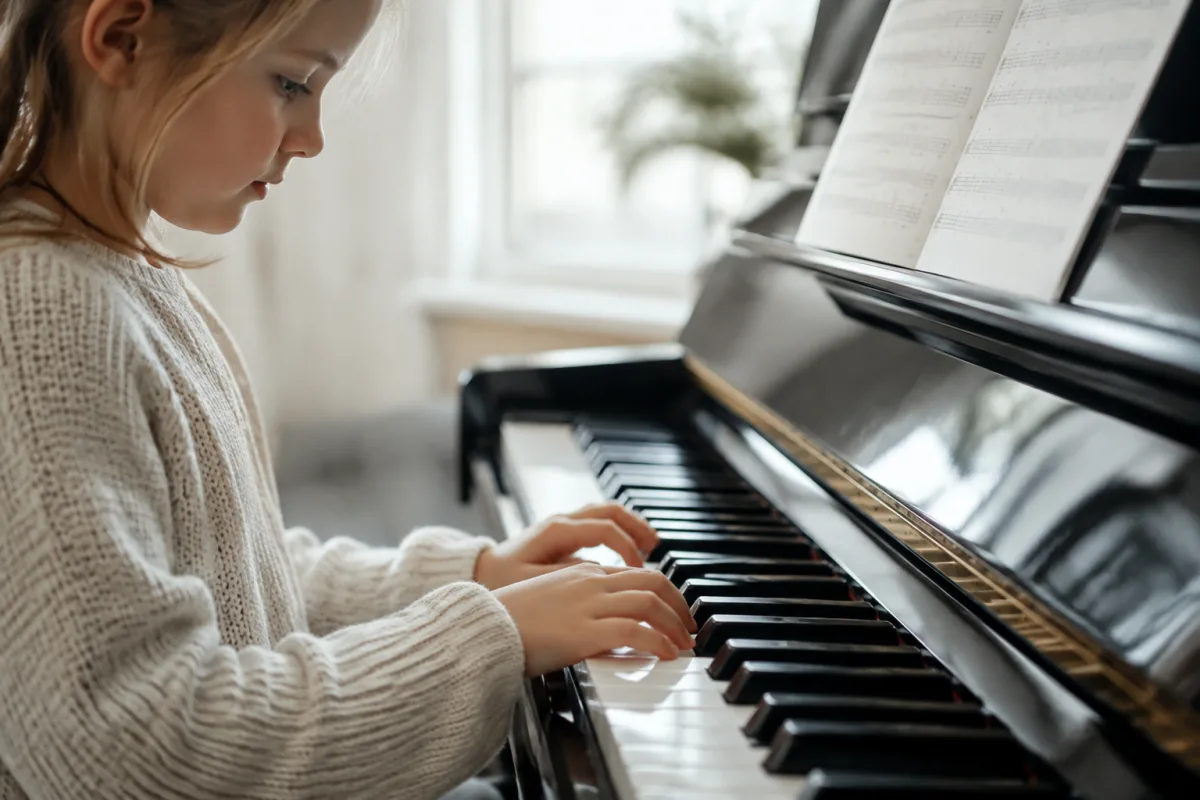
Starting piano opens a world of possibility, but choosing the right starter piano songs makes all the difference. The first few months set your confidence and momentum; beginner piano songs that are achievable yet rewarding keep you practising. This guide walks through the best starter piano songs for absolute beginners.
Why Starter Piano Songs Matter
Beginner piano learners need starter piano songs that are genuinely achievable — pieces simple enough to manage within the first few weeks but musically rewarding enough to sustain interest. Too difficult, and starter piano songs become frustrating. Too trivial, and they feel boring. The sweet spot is where a learner can play recognisable melodies using just a handful of notes and basic hand shapes.
Many of the best starter piano songs are folk melodies or classical pieces designed for teaching. These starter piano songs have stood the test of time because they work. A child or adult beginner playing "Twinkle, Twinkle, Little Star" or "Mary Had a Little Lamb" as their first starter piano songs experiences genuine accomplishment — they are playing real music.
Classic Starter Piano Songs for Absolute Beginners
Every beginner should start with these foundational starter piano songs:
- "Twinkle, Twinkle, Little Star" — the quintessential first starter piano songs, uses only five notes in the right hand and sounds lovely.
- "Mary Had a Little Lamb" — another starter piano songs staple, teaches rhythm and hand control.
- "Hot Cross Buns" — starter piano songs that introduce steady tempo and finger independence.
- "Ode to Joy" (Beethoven) — by moving to slightly more advanced starter piano songs, learners gain confidence.
- "Fur Elise" (simplified) — a famous piece that inspires, this simplified starter piano songs version is achievable quickly.
These starter piano songs share common qualities: they use a limited range of notes, repeat phrases (so the hand position feels natural), and have recognisable melodies that motivate practice.
Contemporary Starter Piano Songs
Whilst classical starter piano songs are reliable, contemporary songs engage modern learners. Many pop melodies work wonderfully as beginner piano material:
- "Someone Like You" (Adele) — the right-hand melody is simple and emotional.
- "Imagine" (John Lennon) — a left-hand pattern that starts minimal, introducing bass awareness alongside starter piano songs.
- "Let It Go" (Frozen) — starter piano songs for younger learners, immediately recognisable.
- "Zombie" (The Cranberries) — a simple intro riff that feels rewarding to learn.
Contemporary starter piano songs bridge the gap between classical tradition and modern interest, keeping practice sessions fresh and relevant.
Structured Practice With Starter Piano Songs
Simply having starter piano songs to play is not enough; structure matters. Here is an effective progression:
- Learn two or three starter piano songs in the first month, using only the right hand.
- Once right-hand mechanics feel comfortable, introduce simple left-hand bass notes under starter piano songs.
- Gradually increase tempo from slow practice versions of starter piano songs toward normal performance speed.
- Add expression — dynamics and phrasing — to basic starter piano songs to develop musicality.
- Begin combining starter piano songs into a simple recital or video to build confidence.
This scaffolding approach keeps beginner piano learners engaged without overwhelm. Mastering five starter piano songs thoroughly beats half-learning twenty.
Resources for Finding Starter Piano Songs
The best resources for beginner piano material include piano method books (Alfred's Basic Piano Library remains the gold standard), YouTube (channels like Hoffman Academy have excellent simplified starter piano songs), and sheet music sites like Sheet Music Direct and MuseScore. Many of these sites curate starter piano songs specifically for beginners, often with video tutorials showing hand position and pacing.
Common Mistakes When Choosing Starter Piano Songs
New learners often make these errors when selecting material:
- Jumping to songs that are too complex — ambition outpaces ability, and frustration follows.
- Ignoring starter piano songs with both hands — staying single-hand too long underdevelops left-hand coordination.
- Avoiding sight-reading practice — learners who only memorise starter piano songs struggle when moving to new material.
- Skipping rhythm practice — many starter piano songs suffer from rushed or sloppy timing.
Avoid these pitfalls and progress in starter piano songs becomes natural and sustainable.
Beyond Starter Piano Songs: The Next Level
Once a learner has confidently played five or six starter piano songs, the transition to slightly more challenging material is natural. Starter piano songs lead into intermediate repertoire like "Für Elise" (full version), simplified jazz standards, or short contemporary pieces. The musical foundation built from starter piano songs transfers directly.
Conclusion
Beginning piano is deeply rewarding, and choosing the right starter piano songs sets the trajectory. The best starter piano songs are those that feel achievable, sound rewarding and inspire regular practice. Whether traditional classics or modern favourites, starter piano songs that engage and challenge appropriately transform a learner from hesitant beginner to confident player. Start simple, progress steadily, and enjoy the journey that starter piano songs make possible.


Comments