


Selling Piano article
Selling Piano for Beginners: A Complete Guide
Selling piano for the first time? Our guide covers valuation, preparation, marketing, and negotiation. Get your piano sold fairly and efficiently with confidence.
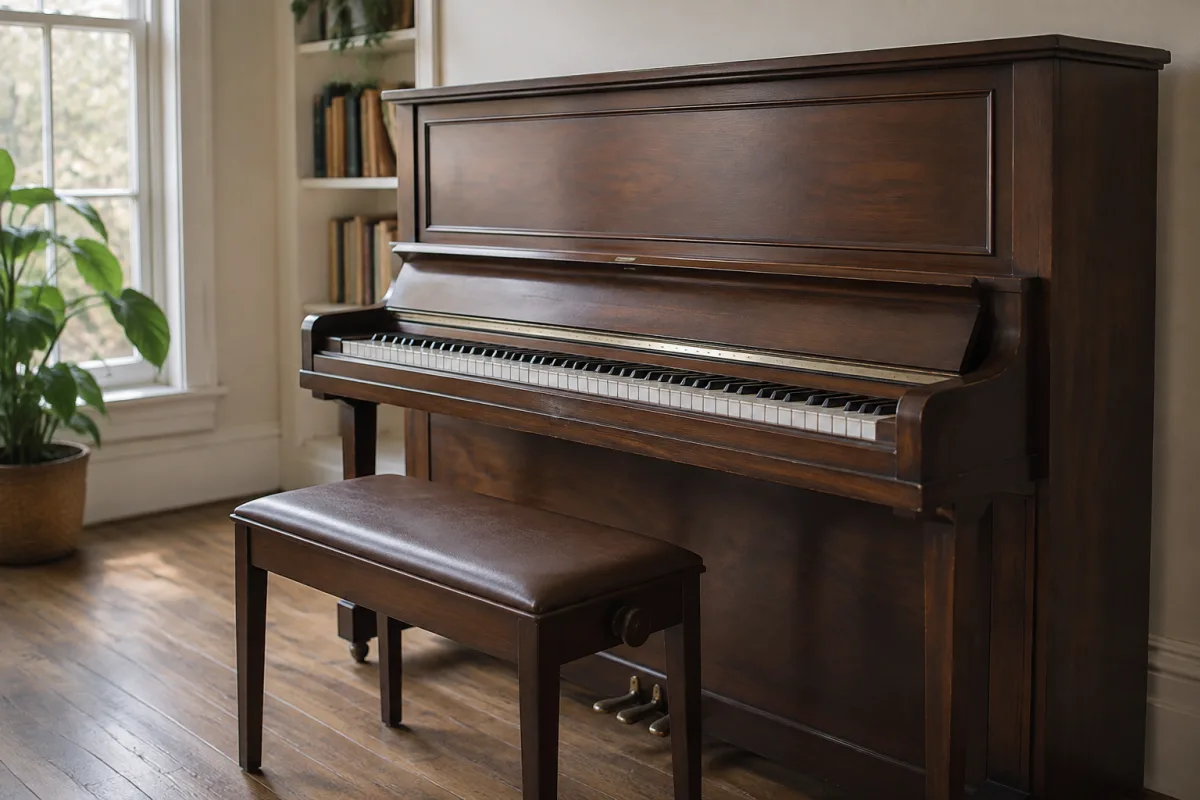
You've decided to sell your piano—whether it's sitting unused, you're upgrading, or you need space. Selling piano can feel overwhelming if you've never done it before, but the process is manageable when you know what to expect. This beginner's guide walks you through selling piano step by step, helping you value your instrument fairly, find the right buyer, and navigate the logistics with confidence.
Before You Sell Your Piano: Assess Your Situation
Before actively selling piano, take time to understand what you have. Is it an acoustic upright, grand piano, or digital? How old is it? What condition is it in? These factors profoundly affect the selling piano timeline and price. A piano in excellent condition that's a recognisable brand might sell quickly at a reasonable price. An older, worn piano might require significant patience or price reduction. Be honest about condition—stained keys, sticky pedals, or tuning issues all matter when selling piano. Understanding your piano's true state prevents frustration and unrealistic expectations during the selling piano process.
Determining Your Piano's Value When Selling Piano
Price is crucial when selling piano. Research comparable instruments online—search auction sites, classified listings, and music stores to see what similar pianos are listing for. If your piano is valuable or you're selling piano expensively, consider hiring a professional piano appraiser (typically £50-150) to verify its worth. This investment is worthwhile if it justifies a higher selling piano price. General guidelines: newer quality-brand pianos sell for reasonable percentages of original price, vintage pianos might command premiums if rare, and worn pianos sometimes sell for removal cost only. When selling piano, price realistically—overpricing keeps your piano on the market indefinitely; underpricing leaves money on the table but speeds the selling piano process.
Preparing Your Piano for Sale
First impressions matter when showing your piano to potential buyers. When selling piano, clean the exterior thoroughly and make sure the interior is dust-free. If the bench is stained or damaged, consider repairing or replacing it—people notice these details when selling piano. Ensure the piano is reasonably in-tune; significant detuning suggests poor maintenance and worries buyers. If major repairs are needed when selling piano, be transparent about them. Buyers appreciate honesty more than hidden surprises. Take clear photos for online listings when selling piano—good lighting and multiple angles are crucial. Document any unique features or history of your piano when selling piano; some buyers value provenance.
Where and How to Advertise When Selling Piano
Several avenues exist for selling piano. Online classifieds like Craigslist, Facebook Marketplace, and eBay Classifieds reach large audiences when selling piano. Specialist music sites sometimes have piano sections. Local music stores might advertise pianos on consignment when selling piano, though they typically take a commission. Piano-specific forums and groups sometimes have selling piano sections. When selling piano online, be specific in your description—include brand, model, type (upright or grand), condition, and any quirks. Clear communication during selling piano prevents time-wasting enquiries from unsuitable buyers.
Handling Inquiries and Viewings When Selling Piano
Once you're actively selling piano, expect various enquiries. Answer questions thoroughly but be prepared to screen buyers—some aren't serious when selling piano. When arranging viewings for selling piano, choose times convenient for you and have a companion present. During the showing, let interested buyers play and inspect thoroughly when selling piano. Answer their questions honestly about maintenance history, any repairs needed, and the piano's character. Don't pressure people when selling piano; genuine interest will show naturally. Take notes on seriously interested buyers; you might need to follow up during the selling piano process.
Negotiation and Closing the Deal When Selling Piano
Expect negotiation when selling piano. Decide beforehand how much flexibility you have on price. Small negotiations are normal selling piano practice. When you've found your buyer, establish payment terms and moving logistics. Some buyers arrange professional piano movers; others expect you to arrange this when selling piano. Moving costs vary dramatically based on distance and piano type—budget £300-1000+. Clarify who pays when selling piano: some arrangements include moving costs; others have the buyer responsible. Get payment before the piano leaves your possession when selling piano. A certified cheque or bank transfer prevents problems after selling piano.
Common Mistakes When Selling Piano
Many first-time sellers make predictable errors when selling piano. Don't price unrealistically high—your piano sits unsold forever. Don't neglect presentation when selling piano; clean it and take quality photos. Avoid being evasive about condition; transparency builds trust when selling piano. Don't agree on price without understanding moving logistics when selling piano. And perhaps most critically, don't allow buyers to remove your piano without verified payment when selling piano—this protects both parties. Avoid these mistakes and selling piano becomes straightforward.
For comprehensive information about piano valuation, market insights, and advanced selling strategies, visit the complete guide to selling piano.
Selling Piano Successfully Takes Patience
Selling piano is a process that rewards patience and clear communication. Price fairly, prepare your instrument well, market effectively, and be honest about condition. Most pianos eventually find buyers, though timelines vary. Whether your piano is out of your life in weeks or months, approaching selling piano systematically ensures a fair outcome for everyone involved. Soon you'll have freed up space and possibly funding for your next musical adventure.


Comments