


Reed in Instruments article
Reed In Instruments for Beginners: A Complete Guide
Confused about reed instruments? This beginner's guide covers the types, how to choose your first instrument, reed maintenance, and what to expect as you learn.
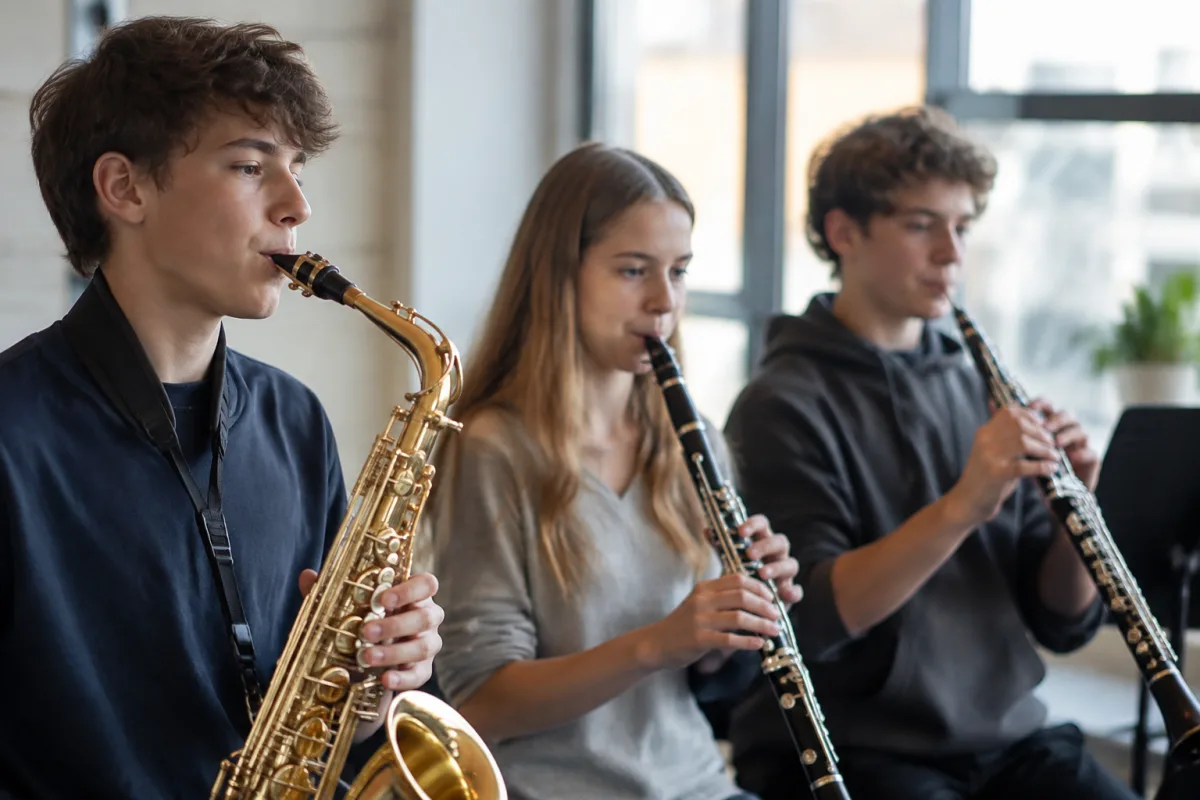
Thinking about learning a reed instrument but unsure where to start? You're about to join a tradition spanning centuries—from the humble recorder to the expressive saxophone. Reed instruments might seem mysterious if you've never played one, but the fundamentals are surprisingly straightforward. This guide demystifies reed instruments for beginners, helping you understand what they are, which might suit you best, and what to expect as you learn.
What Are Reed Instruments, Exactly?
A reed instrument is any wind instrument that uses a small piece of cane or plastic (called a reed) to produce sound. When you blow air across or through the reed, it vibrates, creating a column of moving air inside the instrument's body. That air vibration is what we hear as sound. The reed is the heart of the instrument—it's sensitive, requires care, and directly influences how the instrument sounds and feels to play.
The word "reed" might make you think of tall grasses by a river, and you'd be right. High-quality woodwind reeds are traditionally made from cane harvested from river reeds. Today, you'll find both natural cane and synthetic reeds, each with advantages for beginners.
The Two Main Types of Reed Instruments
Single-Reed Instruments
Single-reed instruments have one piece of cane attached to a mouthpiece. When you blow into the mouthpiece, this single reed vibrates against the mouthpiece to create sound. Clarinets and saxophones are the most common single-reed instruments. Single-reed instruments tend to have a warm, woody tone and are highly expressive—you can bend notes and create lots of colour with subtle changes in embouchure (mouth position) and air pressure.
Double-Reed Instruments
Double-reed instruments use two pieces of cane that vibrate against each other. Oboes and bassoons are classic double-reed instruments. They produce a more nasal, penetrating sound and require a slightly different blowing technique. Double-reed instruments are often considered more challenging for absolute beginners, but many players find them deeply rewarding.
Common Reed Instruments Explained
Saxophone: The most beginner-friendly reed instrument. Saxophones have a large, single reed and a sturdy metal body. The fingering is intuitive, and they're forgiving as you develop your embouchure. Saxophones sing in a rich, warm voice and work brilliantly in jazz, classical, and contemporary music.
Clarinet: A wooden instrument with a single reed and a more complex fingering system than saxophone. Clarinets have a diverse range of sounds—chalky in the low register, bright and piercing higher up. They're staples of orchestras, klezmer bands, and jazz ensembles.
Oboe: A double-reed instrument with a sophisticated sound and challenging embouchure technique. Learning oboe requires patience, but the tone is uniquely beautiful. Oboes are essential to classical orchestras.
Bassoon: The large, deep-voiced cousin of the oboe. Bassoons use a double reed and require strength and stamina, but their rich, woody bass line is irreplaceable in orchestral and chamber music.
Recorder: Often the first reed-like instrument people encounter. Recorders use a notched mouthpiece rather than a traditional reed, but they share the principle of air vibrating through a wooden body. They're affordable, accessible, and perfect for introducing children and curious adults to wind playing.
Choosing Your First Reed Instrument
Start by asking yourself these questions:
- What music do you want to play? Jazz lovers often gravitate to saxophone. Classical enthusiasts might prefer clarinet or oboe. Genre shapes your choice.
- Do you have access to a teacher? Some instruments are harder to learn without guidance. Oboe and bassoon especially benefit from professional instruction. Saxophone and clarinet are more forgiving for self-teaching.
- How much practice space do you have? All reed instruments are loud. Make sure your neighbours won't object, or find practice times that work for everyone.
- What's your budget? Entry-level saxophones cost £200–£500. Clarinets and oboes are similar. Bassoons are significantly more expensive. Don't buy the absolute cheapest option—instrument quality really matters for beginners.
For most absolute beginners, saxophone is the gentlest entry point. It's affordable, sounds good quickly, and offers a straightforward learning curve before you encounter the subtleties of higher instruments.
Understanding Reeds: The Make-or-Break Element
Beginners often underestimate the reed's importance. A dull reed can make learning miserable; a good reed opens doors. Here's what you need to know:
Natural cane reeds are traditional and have a warm, responsive character that many players love. The downside? They're delicate, they wear out with use (typically after 2–4 weeks of regular playing), and they're sensitive to humidity changes. Your reed might feel great one day and unplayable the next if the weather shifts.
Synthetic reeds are newer and made from plastic or composite materials. They're nearly indestructible, they play consistently in different humidity levels, and they last months instead of weeks. The trade-off is that some players find them less expressive, though modern synthetics are closing that gap.
As a beginner, buy a few reeds—natural and synthetic if possible—and experiment. You'll quickly develop a preference. Budget for reed replacements; they're a consumable, like strings on a guitar.
Getting Started: What Happens First
When you buy your first reed instrument, spend time just getting comfortable holding it and producing a tone. This takes patience. Your embouchure—the muscle control and mouth position—develops gradually. Expect the first few weeks to sound honky, squeaky, and uncertain. This is completely normal.
A good teacher accelerates this learning dramatically. Even four or five lessons establish proper breathing, embouchure, and hand position. Without it, you might develop habits that slow your progress later. If a teacher isn't available, high-quality online tutorials and methods books can guide you, but self-teaching requires discipline.
Maintenance: Keeping Your Reed Instrument Alive
Reed instruments are delicate. Here are the essentials:
- Dry the inside after playing: Moisture inside the instrument promotes mould and rots wood. Use a swab (a long cloth on a rod) to dry the inside immediately after practice.
- Store reeds properly: Keep them in a reed holder or case, never in a plastic bag or sealed box where moisture collects. Some players soak wooden reeds briefly before playing to optimize response.
- Protect the reed from damage: Never leave a wet reed loose; it'll warp. Always cap the mouthpiece when the instrument isn't in use.
- Have reeds serviced occasionally: If a reed cracks or feels permanently dull, don't struggle with it. Repair specialists can sometimes revive reeds, but replacement is often the answer.
Common Beginner Mistakes
Buying the cheapest instrument: Budget models often have poor intonation, feel uncomfortable, and discourage practice. Spend a little more for a playable instrument—it pays dividends in motivation and progress.
Neglecting reed care: A single damaged reed can sour you on the whole experience. Respect your reeds; they're fragile and irreplaceable until you can afford new ones.
Practicing without a clear goal: "Noodling around" feels good, but structure accelerates learning. Use a method book or lesson plan so you're building skills, not just making noise.
Giving up in the first month: The embouchure phase is frustrating. Every player feels it. Stick with it for six weeks, and you'll turn a corner.
Finding Community and Support
Reed instrument players form vibrant communities. Look for local ensembles, jam sessions, or school bands. Playing with others transforms practice from a chore into a pleasure. Online communities dedicated to specific instruments (r/saxophone, oboe forums, etc.) offer advice and encouragement. Knowing other beginners face the same squeaks and difficulties makes the journey less lonely.
Moving Forward
Your first reed instrument is the beginning of a lifelong conversation with sound and expression. Reed instruments are demanding teachers—they respond immediately to your effort and attention. That sensitivity is also their magic. As you improve, you'll discover depths of tone and technique that seemed impossible when you started.
For a comprehensive look at reed instruments, their history, and how they fit into different musical traditions, explore reed musical instruments: a complete guide.
Conclusion
Starting a reed instrument doesn't require any special talent or prior experience. What matters is curiosity, patience, and willingness to sit with discomfort as your embouchure develops. Choose an instrument that appeals to you musically, invest in a decent beginner model, find a teacher if you can, and practise regularly. Within weeks, you'll produce recognizable melodies. Within months, you'll be amazed at what you can play. Reed instruments have shaped human music for thousands of years. You're not just learning an instrument; you're joining a timeless tradition.


Comments