


Piano Keys Light Up Buying guide
Piano Keys Light Up: A Complete Buyer's Guide
Illuminated piano keys enhance learning through visual guidance and feedback. This comprehensive guide helps you evaluate pianos with keys that light up and select one matching your needs and budget.
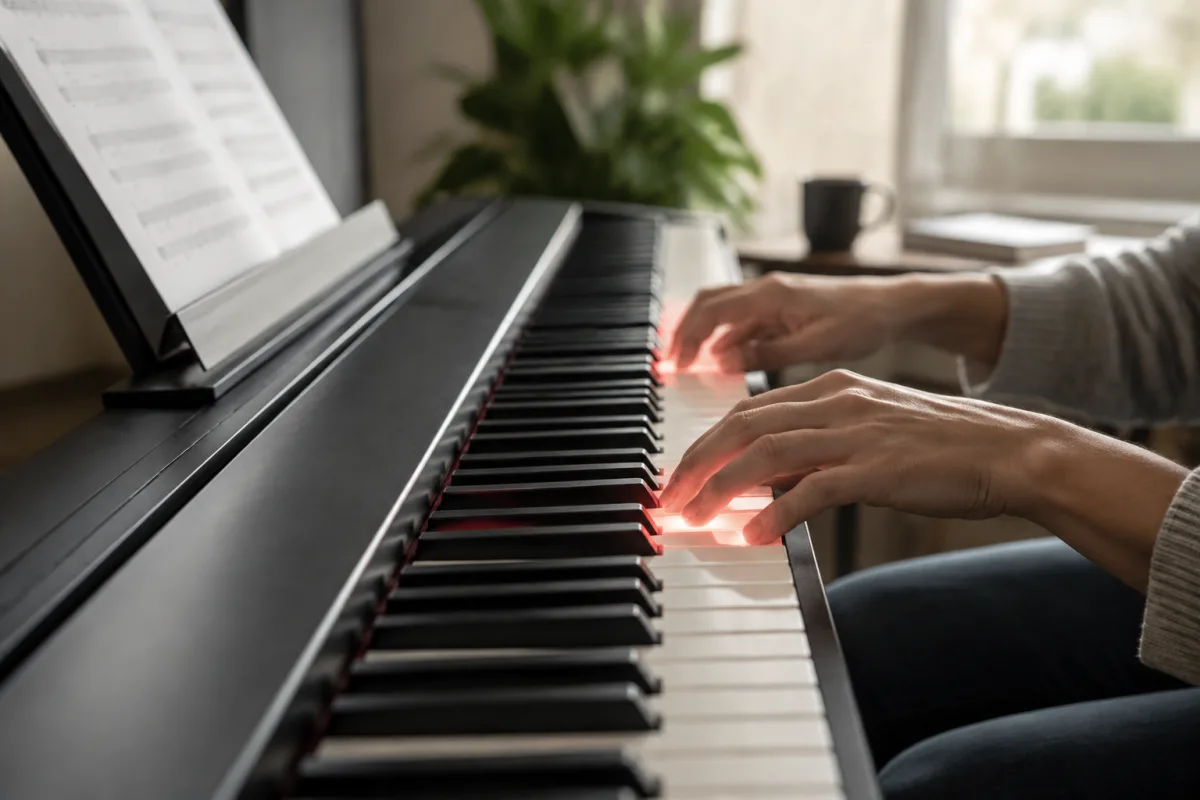
Pianos with keys that light up have become increasingly popular for learners and performers alike. Whether you're considering a piano with LED-illuminated keys for a child's first piano experience or seeking upgraded functionality for adult learning, understanding what matters helps you avoid expensive mistakes. This guide cuts through marketing claims to show you what actually distinguishes quality illuminated pianos from gimmicky offerings.
Understanding What Piano Keys Light Up Technology Actually Offers
Illuminated piano keys serve multiple purposes. Built-in lesson modes light up keys in sequence, teaching you which keys to press and when. Some systems guide you through songs step-by-step. Others simply highlight pressed keys for visual feedback. Before purchasing a piano with keys that light up, clarify what you specifically want the lighting to accomplish. Is it guiding you through lessons, providing practice feedback, or enhancing performance ambience? Different features serve different goals, and the wrong choice wastes money.
Key Specifications When Evaluating a Piano with Keys that Light Up
Understanding technical features helps you compare models and predict real-world performance.
LED Type and Brightness
Illuminated piano keys use two primary LED approaches: light strips mounted under the keys, or light transmitted through translucent key tops. Under-key lighting produces clearer visual feedback for learning; top-lit keys provide ambient aesthetic appeal. Check whether the brightness is adjustable—some users find bright LEDs distracting during performance. Verify LEDs are durable (quality units last 10,000+ hours) and won't require expensive replacement shortly after purchase.
Built-In Lesson Systems
Many pianos with keys that light up include learning software. Evaluate the quality and quantity of included lessons. Does the piano come with 50 songs or 500? Are lessons appropriate for your skill level? Can you add additional content? Check whether software updates are free or require payment. Some manufacturers discontinue lesson support for older models; research this before purchasing.
MIDI and App Connectivity
Premium illuminated pianos connect to smartphones and tablets via MIDI or Bluetooth, enabling integration with learning apps like flowkey or Simply Piano. This significantly expands lesson content beyond what's built into the piano. Verify compatibility with apps you prefer before purchase. Not all pianos with keys that light up support this feature; it's primarily found in mid-range and premium models.
Overall Piano Quality
Illuminated keys don't compensate for poor piano action or sound quality. Evaluate the instrument's piano fundamentals separately from the lighting features. Check key action (weighted or unweighted), tone quality, and build construction. A piano with keys that light up and horrible action teaches bad habits. A piano with excellent action and LED features supports genuine musical development.
Size and Space Requirements
Illuminated pianos range from compact 49-key portable models to full 88-key instruments. Consider your available space and whether portability matters. Full-size pianos with keys that light up occupy significant space and weight; portable models sacrifice feel and sound quality for convenience. Digital pianos offer the best compromise—full 88 keys, relatively compact, and typically include illumination features.
Piano Types with Keys that Light Up: Comparison
| Type | Best For | Typical Features | Price Range |
|---|---|---|---|
| Digital Pianos with Lighting | Home learning, bedroom studios, teachers wanting student feedback. Full-featured learning systems. | 88 weighted keys, built-in lessons, MIDI connectivity, headphone output, quality speakers. | £300-1200 |
| Portable/Keyboard with Lighting | Casual learners, portable practice, children's first instruments. Budget-friendly introduction. | 49-61 keys, unweighted, basic lighting, smaller lesson library, lightweight construction. | £80-300 |
| Acoustic Piano with Retrofit Lighting | Players wanting traditional acoustic piano upgraded with modern learning features. | Full 88 keys with mechanical action, LED systems added after purchase, integrated learning modules. | £1500-3000+ |
| Professional Stage Piano with Lighting | Performers, studios, experienced players. Performance-grade with learning features. | Weighted keys, premium sound engine, powerful processing, extensive MIDI options, pro construction. | £800-2500 |
Common Pitfalls When Purchasing a Piano with Keys that Light Up
Avoid these mistakes when shopping:
- Assuming illumination solves learning challenges: Lighting helps guide finger placement, but it doesn't replace consistent practice or quality instruction. A piano with keys that light up is a tool, not a magic solution. Motivated practice matters more than technology.
- Prioritising lighting over piano quality: A poor quality piano with impressive lighting technology teaches bad technique and frustrates learners. Evaluate the instrument's sound, key action, and build as primary factors; lighting is secondary.
- Overlooking software quality: Not all built-in lesson systems are well-designed. Watch demo videos or read detailed reviews specifically addressing lesson quality and progression.
- Buying a 49-key model expecting 88-key capability: Compact pianos with keys that light up suit casual learning but limit serious development. Full-size models (88 keys) represent better long-term value if you're serious about piano playing.
- Neglecting note connectivity and future expansion: Some pianos with keys that light up use proprietary systems; others integrate with standard music software. Prioritise open standards for flexibility.
Price Tiers and Value Assessment
Budget models with keys that light up cost £80-200, offering basic illumination and simple lessons. Mid-range instruments (£300-800) include better sound quality, weighted keys, and more comprehensive lesson systems. Premium pianos with keys that light up (£800+) offer professional-grade construction, extensive MIDI integration, and superior learning software. For most learners, mid-range represents the best value—adequate quality without wasteful premium pricing.
New vs Used: Making the Right Decision
Used pianos with keys that light up sell at significant discounts. Verify LED functionality carefully—damaged lighting can mean expensive repairs. Check that any included software still works and that updates are available. Ask about previous usage and maintenance history. A well-maintained used piano with keys that light up offers excellent value, particularly if you find a mid-range model at budget pricing. Avoid severely damaged used units; repair costs often eliminate savings.
Testing Before Committing
Always test a piano with keys that light up before purchasing if possible. Play several keys to evaluate action feel and responsiveness. Check whether the lighting is visually clear without being distracting. Try navigating the lesson system to assess user interface quality. Listen to the sound quality through built-in speakers and via headphones. These hands-on assessments reveal whether the piano suits your needs better than specs alone.
For comprehensive background on pianos with illuminated keys and their capabilities, see our complete guide to pianos with keys that light up.
Making Your Final Decision
Start by defining your primary goal—is this for a child learning piano, an adult returning to music, or someone seeking enhanced performance features? Research models matching that goal. Evaluate the piano's fundamentals (action, sound, build) before considering lighting features. Check lesson system quality and software support. Verify MIDI compatibility if app connectivity matters to you. Only after thorough evaluation should you compare prices across retailers. A piano with keys that light up that meets your actual needs beats a cheaper model with disappointing features.
Final Recommendation
Pianos with keys that light up genuinely enhance learning when the underlying instrument is sound and the lesson systems are well-designed. Mid-range digital pianos offering weighted keys, quality sound, comprehensive lessons, and reliable LED technology represent the best value for most learners. Avoid ultra-budget models with poor piano quality; invest appropriately in an instrument supporting long-term musical development. The illuminated keys are bonus features that enhance an already-good instrument, not a replacement for fundamental quality.


Comments