
Piano Electronic article
The Complete Guide to Piano Electronic
An electronic piano combines the authentic feel of an acoustic instrument with modern convenience. Discover what makes quality electronic pianos essential for students and professionals.
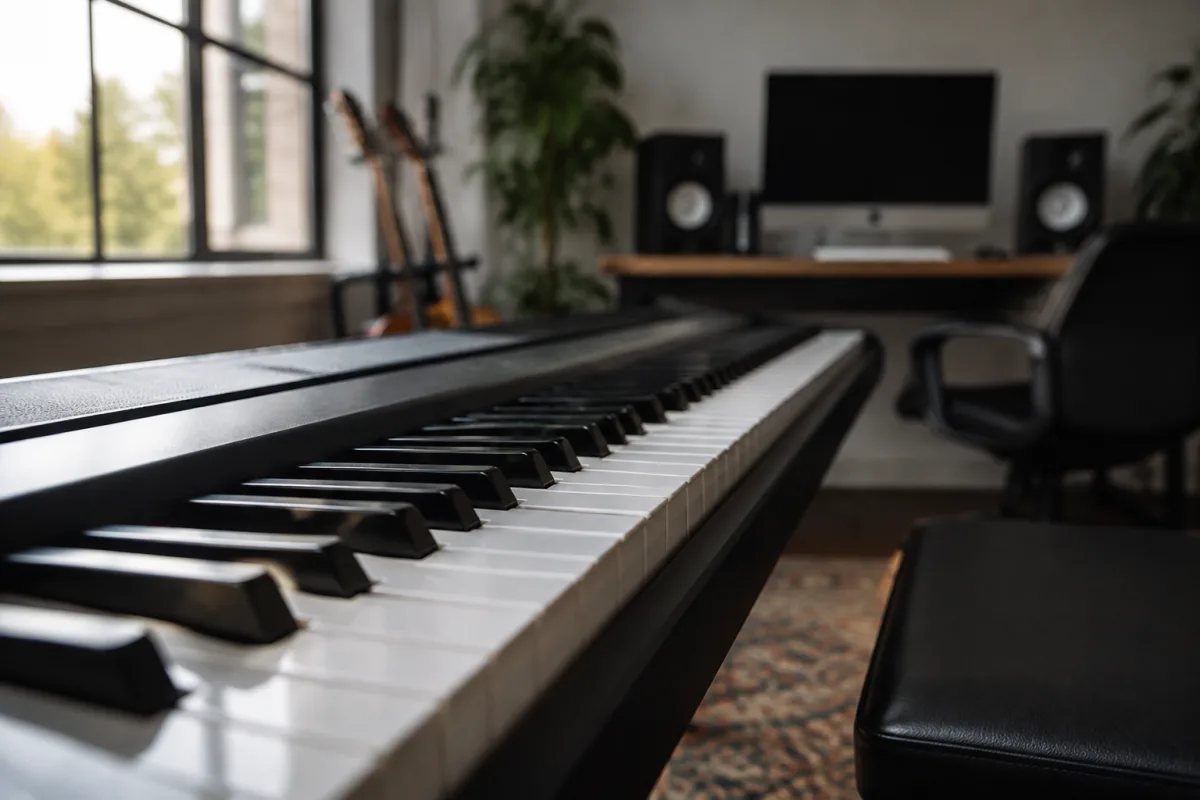
The Complete Guide to Electronic Pianos
An electronic piano offers the feel and sophistication of an acoustic instrument without the space, maintenance, or cost that traditional pianos demand. Whether you're a beginner exploring music for the first time or an experienced musician seeking a portable solution, choosing the right electronic piano can transform your practice and performance experience.
What Makes an Electronic Piano Different
The fundamental appeal of these instruments lies in their marriage of acoustic tradition and modern convenience. Unlike a standard electronic keyboard, a quality model combines weighted keys that mimic the resistance and action of an acoustic instrument with authentic sampled or modelled piano sounds. These factors combine to create an instrument that feels like playing a real piano.
Traditional acoustic pianos use mechanical hammers to strike strings, which creates both tone and the tactile feedback that pianists cherish. This experience is replicated through weighted key mechanisms — typically graded to feel heavier in the lower registers and lighter in the upper registers, just like an acoustic piano. This weighting is essential for developing proper technique and making the transition to acoustic instruments seamless.
Key Features to Understand
When evaluating an electronic piano, several specifications determine its quality and suitability for your needs:
- Weighted Keys: Essential for authentic playing feel and proper finger strength development. 88 weighted keys is the standard for full-size electronic pianos.
- Sound Quality: The piano sounds should be sampled or modelled from real acoustic pianos. Listen carefully to multiple models, particularly in the lower and upper registers where differences are most apparent.
- Touch Response: The sensitivity of the keys to velocity and dynamics. Better electronic pianos offer subtle touch variations that allow for expressive playing.
- Pedal System: Three pedals (soft, sostenuto, and sustain) are standard. Quality models offer authentic pedal functionality, not just volume changes.
- Connectivity: USB, MIDI, and Bluetooth connections allow integration with music production software and recording equipment.
- Portability: Compact models weigh 30–50kg, whilst full-featured console versions can exceed 100kg. Consider your space and whether you'll move the instrument.
Types of Electronic Pianos
These instruments fall into several categories, each serving different needs. Stage pianos are lightweight, portable models designed for live performance and gigging musicians. These typically feature excellent sound quality, professional connectivity, and durability, though they may lack built-in stands or speakers.
Console varieties offer a more furniture-like appearance with integrated stands and speaker systems. They're ideal for home studios and dedicated practice spaces, providing an acoustic piano aesthetic whilst remaining more affordable and requiring less maintenance than their acoustic counterparts.
Portable models bridge the gap between stage and console instruments, offering genuine weighted action with moderate portability. These suit musicians who want authentic feel without committing to a large, stationary setup.
Sound Technology Explained
Modern models employ two primary sound technologies. Sample-based systems record actual acoustic piano sounds across the entire keyboard range and playback these recordings when you press keys. This creates highly authentic sound, though it requires substantial memory and processing power.
Modelling technology uses mathematical algorithms to simulate the physical characteristics of piano strings, wood, and resonance. This approach uses less memory and allows for subtle variations in tone — many musicians find such systems offer remarkable responsiveness to their playing technique.
Quality instruments increasingly feature stereo sampling and advanced stereo speaker configurations that mimic the spatial characteristics of acoustic pianos, creating a more immersive and realistic playing experience.
Practice and Performance Considerations
These instruments excel in practice settings, offering silent headphone monitoring that allows you to play at any hour without disturbing others. This benefit alone makes them invaluable for serious students and professionals. The consistent tone across all keys and all playing volumes also helps develop consistent technique.
For performance, quality models provide reliability that acoustic pianos cannot match. Environmental factors like humidity and temperature variations don't affect them. You'll never experience the tuning drift that plagues acoustic instruments, and you can switch between different sounds instantly during a recital or recording session.
Recording and Production Integration
A primary advantage is the seamless integration with digital audio workstations and music production software. MIDI output allows you to record your playing and edit notes afterwards — perfect for composing and recording. USB and audio outputs connect directly to interfaces and mixing equipment, enabling professional-quality recordings from home.
Many models include on-board recording capabilities and rhythm accompaniment features useful for practice and demo production.
Maintenance and Longevity
These instruments require minimal maintenance compared to acoustic pianos. You'll never need tuning, and the mechanisms are robust and reliable. Regular cleaning with a soft, dry cloth and occasional dusting of the interior keeps your equipment in perfect condition for years or decades.
Quality models from established manufacturers like Yamaha, Roland, Casio, and Kawai typically offer excellent resale value and remain functional well beyond ten years of regular use.
The Learning Curve
Transitioning from one of these instruments to an acoustic piano requires minimal adjustment if you've chosen a model with genuine weighted keys. Players often report that the main difference is the improved resonance and sustain of acoustic pianos — the fundamental technique remains identical.
Conversely, if you're considering moving from acoustic to digital, you'll find most quality models feel remarkably similar, though the lack of physical soundboard resonance takes a brief adjustment period.
Budget Considerations
Quality electronic pianos range from roughly £300 for entry-level instruments to over £3,000 for professional models. Entry-level pianos offer weighted keys and reasonable sounds, suitable for beginners and casual players. Mid-range models (£800–£1,500) provide excellent value with superior sound quality and touch response. Professional stage and console pianos exceed £2,000 and offer studio-quality sounds, advanced features, and exceptional build quality.
Consider your commitment level and budget carefully. A £600 console piano offers outstanding value for dedicated practice, whilst a student considering piano as a potential hobby might start with a £300 portable model.
Digital Features Worth Exploring
Many modern electronic pianos include practice features like metronome, recording functionality, and lesson integration. Some models connect to mobile apps offering structured learning progressions. Touch-screen displays and intuitive menus make sound selection and settings adjustment straightforward, though simpler models rely on hardware buttons.
Making Your Final Choice
Test multiple electronic pianos before purchasing. Visit music shops and spend time playing each model you're considering. Focus on how the keys feel, whether the sounds inspire you, and whether the size suits your space. Read professional reviews and user feedback, but ultimately trust your own experience — the electronic piano that feels right under your hands is the correct choice for you.
An electronic piano is an investment in your musical journey. The right instrument removes barriers to practice, offers flexibility acoustic pianos cannot match, and provides years of musical enjoyment and creative expression.



Comments