
Full Key Piano article
The Complete Guide to Full Key Piano
A full key piano gives you access to the complete 88-key range essential for serious piano study. Explore why this matters and find the right instrument for your goals.
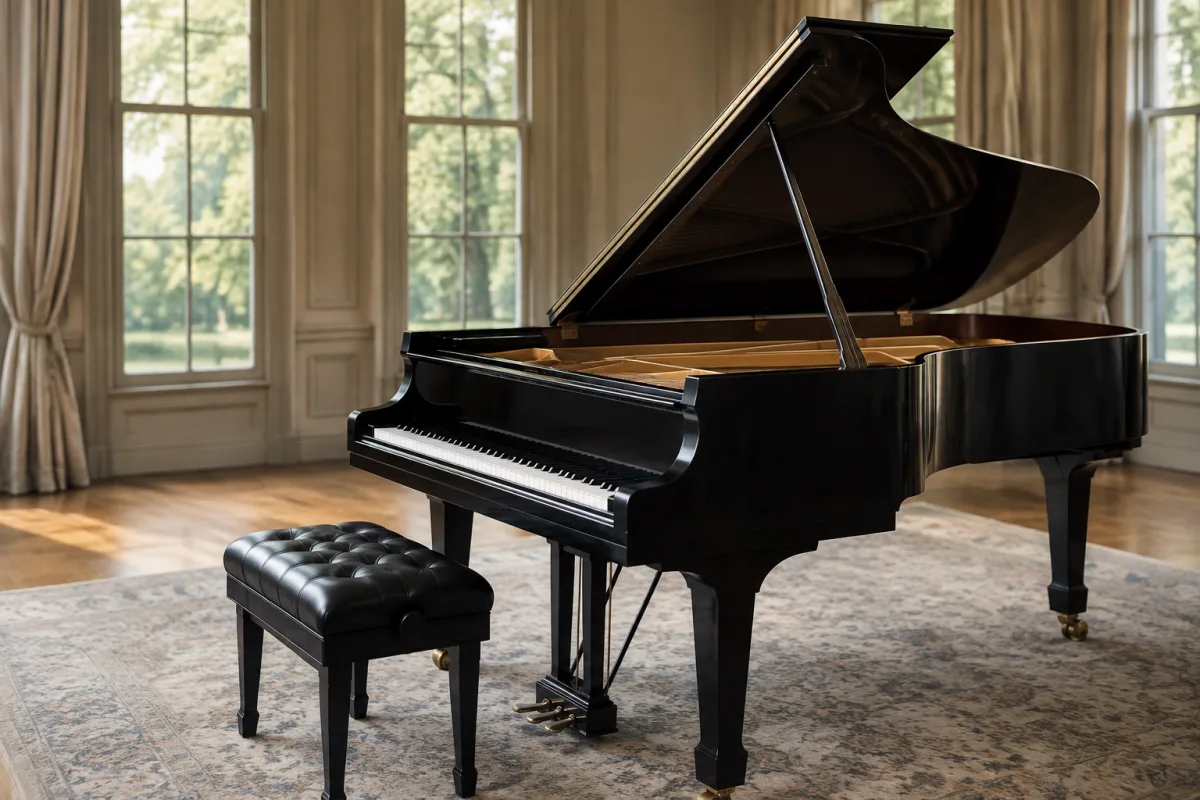
This instrument represents the traditional gold standard for pianists, offering the complete 88-key range found on concert grand instruments. Whether you're a serious student, a professional performer, or an accomplished amateur, understanding what these instruments offer can significantly impact your musical development and practice quality. This guide explores why the 88-key configuration matters and how to choose wisely.
Understanding the Full Key Piano
This instrument features 88 keys, spanning from A0 to C8, which represents the standard range established by Steinway in the late 19th century. This extended range allows pianists to access the complete musical repertoire written for the instrument, from Bach's most demanding compositions to contemporary classical works. This configuration has remained the professional standard for nearly 150 years, capturing the complete tonal palette that composers have written for throughout the instrument's history.
The significance of the full key piano extends beyond mere key count. Each additional key represents additional sonic possibilities, harmonic depth, and compositional flexibility. Pianists working with such an instrument gain access to registers and tones impossible on smaller keyboards, making it essential for serious musical study and performance.
Full Key Piano vs Smaller Keyboards
Many entry-level keyboards feature 61, 76, or 85 keys—configurations that sacrifice range for compactness and affordability. This instrument, by contrast, offers complete access to standard musical literature without transposition or compromise. For classical pianists, this matters profoundly: symphonies, concertos, sonatas and other traditional works assume 88-key access. Learning on limited ranges can develop poor hand positioning and unnecessary musical compromises.
The distinction becomes particularly important when students progress to more demanding repertoire. Many advanced classical pieces require the full 88-key range that only it provides. Making the transition mid-study introduces unnecessary complications to the learning process. Starting with it ensures consistent development and prevents technical obstacles later.
Acoustic vs Digital Options
It category encompasses both acoustic grand pianos and high-quality digital instruments. Acoustic versions offer unmatched tonal richness, complex harmonics created through physical string resonance, and the tactile experience of mechanical key action. However, they demand significant space, regular maintenance, and substantial financial investment. An acoustic grand represents a major purchase requiring careful consideration of budget and living space.
Digital versions have advanced dramatically in recent years, now offering sophisticated sound samples, realistic weighted key action that mimics acoustic resistance, and innovative features like silent practice modes with headphone connectivity. A quality digital version costs substantially less than an acoustic grand whilst occupying far less space. For many musicians, this digital approach provides the best combination of musical capability, practicality, and affordability.
Weighted Keys and Touch Quality
A crucial feature distinguishing such instruments from casual keyboards is weighted key action. Acoustic pianos feature hammers that strike strings with specific resistance and momentum, creating a distinctive feel that pianists develop technique around. Weighted keys simulate this hammer action, providing essential feedback that develops proper finger strength and control. Unweighted keys on budget models produce an entirely different feel, teaching poor technique that requires correction later.
The quality of weighted key action on it matters enormously. Budget models employ basic resistance that approximates piano feel without true authenticity. Premium versions feature graded weighted action—keys become progressively heavier moving from treble to bass, exactly matching acoustic piano behaviour. This sophisticated engineering makes playing such a piano feel remarkably similar to performing on an acoustic grand.
Sound Quality and Sampling
Modern digital versions capture acoustic piano sound through advanced sampling techniques, recording real pianos played at various velocities and dynamics. The best implementations employ multi-layer sampling—using different recordings at different volumes to create authentic response variation. This technological sophistication means that a quality 88-key instrument can produce genuinely beautiful, complex tones that satisfy the demands of serious musicians.
Polyphony—the number of simultaneous notes an instrument can produce—should be sufficient (minimum 64 voices, ideally 128+) to handle complex classical repertoire without notes cutting off. A responsive full key piano with excellent sound quality and adequate polyphony becomes a legitimate musical tool rather than merely a practice convenience. Pianists should audition various options directly, listening critically to sound character and evaluating whether the tones satisfy their musical sensibilities.
Pedal Systems
Authentic pedal functionality distinguishes such instruments from simplified models. A proper instrument should feature three pedals matching acoustic piano configuration: sustain (right pedal), soft (left pedal), and sostenuto (centre pedal). The sustain pedal extends note duration beyond key release—a crucial element of piano technique and musical expression that competent pianists rely upon extensively. This instrument with responsive pedal action allows the sustain effect to operate naturally and musically.
The soft pedal shifts the hammer mechanism sideways (on acoustic pianos) or reduces volume and brightness (on digital models), creating a distinct tonal quality used throughout classical literature. This instrument lacking authentic pedal response limits expressive capability and teaches incorrect technique. Serious pianists evaluating such an instrument should test pedal functionality thoroughly before committing to purchase.
Budget Considerations
An acoustic grand represents a significant investment, typically starting at £4,000–6,000 for entry-level models and escalating to £20,000+ for concert instruments. This substantial cost makes acoustic options impractical for many music students. A digital full key piano offers compelling value, ranging from £500–3,000 depending on feature sophistication and sound quality. For budget-conscious students, a well-chosen digital instrument provides superior musical capability compared to smaller keyboards at comparable price points.
The cost difference between a quality 88-key option and a 76-key alternative is often modest—typically £100–300. This small price premium justifies investment in the full 88-key range that it provides, offering superior long-term value and avoiding limitations that might hinder progress as musical ambitions evolve.
Space and Practical Considerations
Acoustic grand pianos demand substantial floor space—a typical model occupies 5–9 feet depending on its size. This reality eliminates acoustic versions from consideration for many musicians living in modest apartments. A digital full key piano solves this constraint dramatically. Compact keyboard stand versions fit apartments comfortably, whilst console-style models provide elegant aesthetics matching home décor without consuming excessive space.
Portability differs markedly between acoustic and digital versions. An acoustic grand remains essentially immobile once installed, requiring professional movers for relocation. A digital full key piano can be moved by one person, relocated easily between rooms, or transported for performances. This mobility advantage appeals particularly to musicians in temporary living situations or those requiring portability for gigging.
Learning to Play
Students beginning piano study benefit enormously from starting on it rather than graduated-capacity models. Learning proper hand positioning, finger technique, and pedal control on a full 88-key instrument develops correct habits from the beginning. Transitioning from a smaller keyboard later introduces unnecessary adjustment and potentially ingrained technical problems.
Quality full key pianos include features specifically supporting learning—metronome functions, recording capabilities for practice evaluation, and MIDI connectivity enabling integration with learning software. A thoughtfully chosen instrument becomes a comprehensive learning tool supporting development at every level, from beginner fundamentals through advanced repertoire.
Professional Performance
Concert pianists require the full 88-key range that only it provides. Professional recordings, touring, and studio work all assume access to the complete keyboard range. This instrument isn't optional for professional career development—it's absolutely essential. Pianists aspiring to professional performance must invest in an instrument that meets professional standards for sound quality, key action, and reliability.
For accomplished amateurs and serious students, it similarly represents non-negotiable equipment. The ability to perform the complete classical repertoire and modern works written for full range depends entirely on 88-key access. Any pianist with serious musical ambitions should prioritise acquisition of it as a fundamental career investment.


Comments